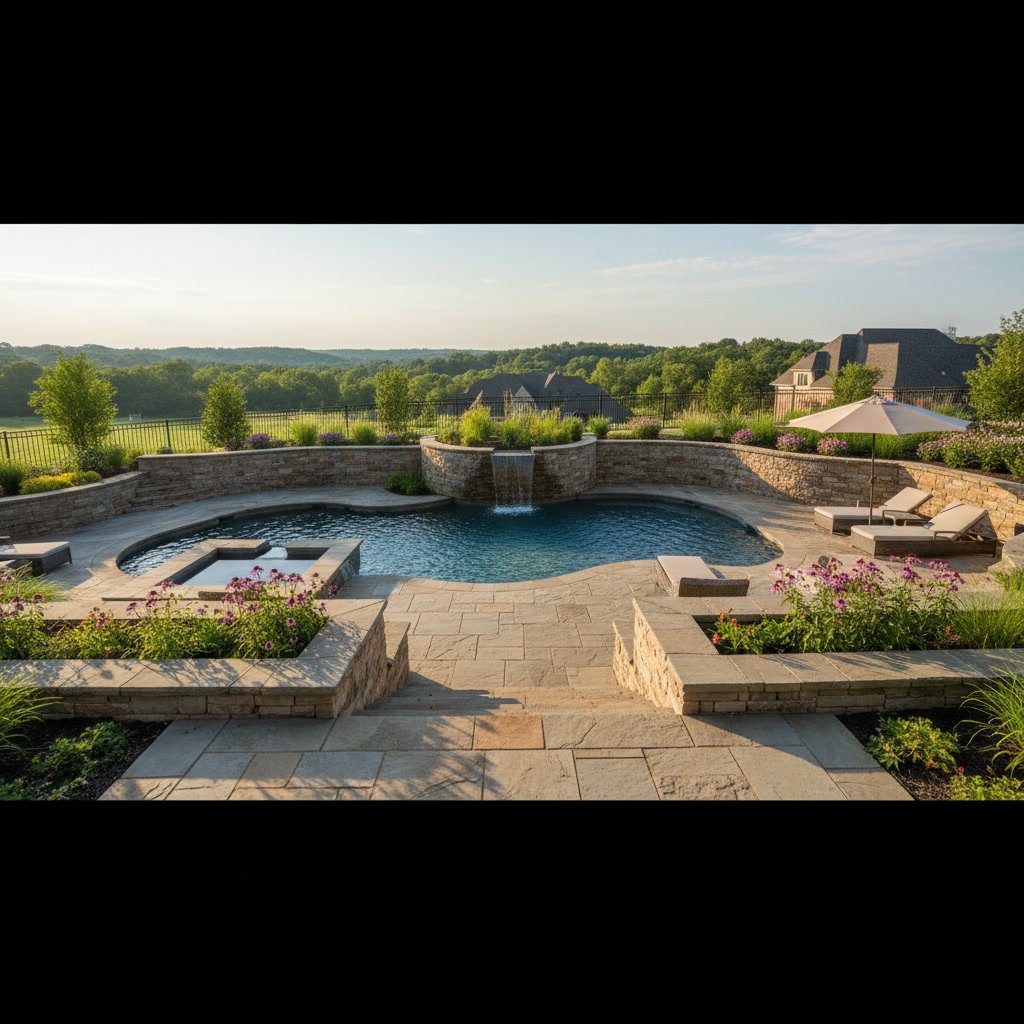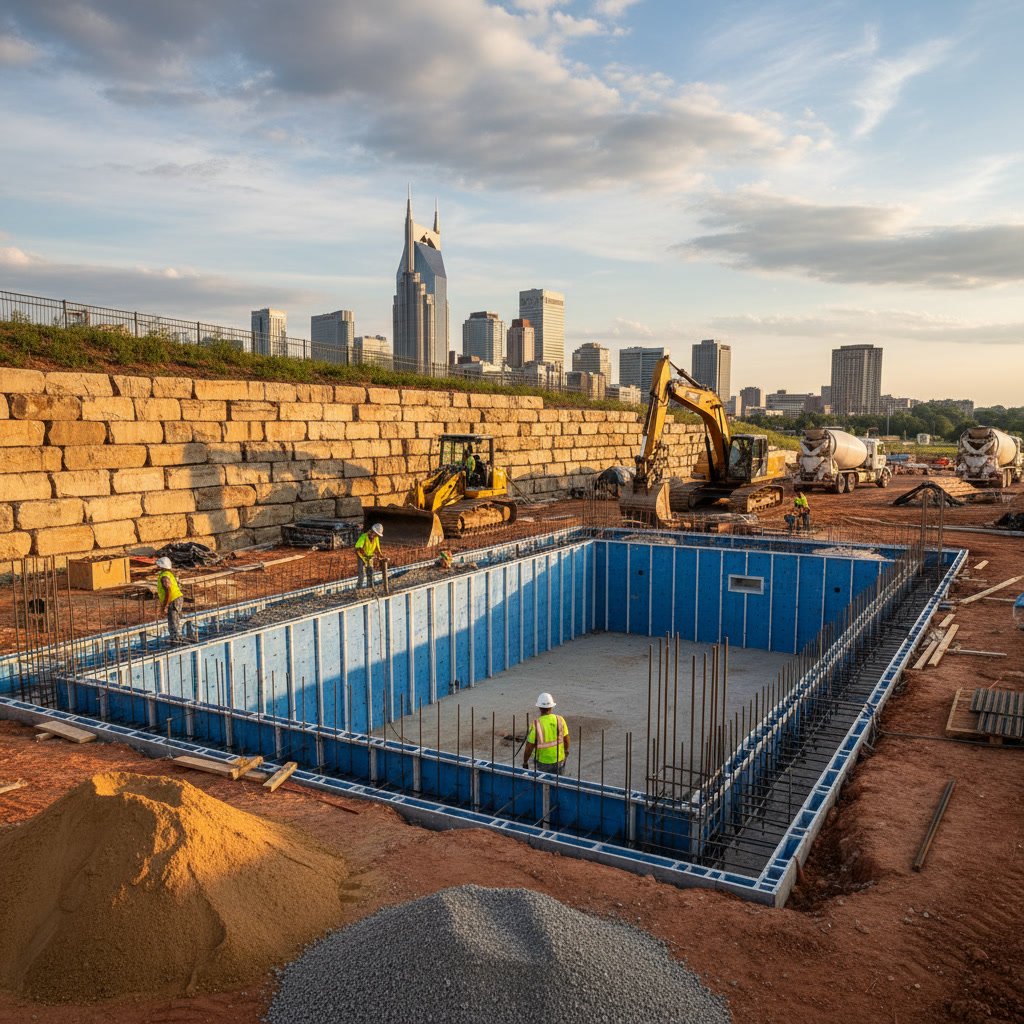
You’re scrolling through backyard photos, and it hits you: that custom pool design would be perfect with a waterfall cascading into the shallow end. Or maybe a fountain feature near the patio. The aesthetic appeal is obvious, but the budget question looms large. Understanding water feature cost Franklin homeowners face starts with recognizing that these installations range from under $3,000 for basic features to $30,000 or more for elaborate rock waterfalls with multiple streams and lighting.
This guide breaks down what you’ll actually spend in Franklin, Tennessee, based on feature type, materials, and complexity. You’ll learn which variables drive costs up or down, and how to plan a water feature that fits both your vision and your budget.
What Impacts Water Feature Pricing in Franklin
Three primary factors determine what you’ll pay: the type of feature, the materials used, and the integration complexity with your existing or planned pool and landscape.
Feature type matters most. A simple deck jet that shoots arcs of water into your pool runs $500 to $1,500 per jet, installed. A sheer descent waterfall, which creates a smooth, glass-like sheet of water, typically costs $1,800 to $4,000 per unit. Rock waterfalls, custom-built to mimic natural formations, start around $8,000 and can exceed $25,000 for large, multi-tier designs with integrated lighting and plantings.
Material choice drives a significant portion of the budget. Precast stone or fiberglass rock kits offer a more affordable route, while natural Tennessee fieldstone, boulders, and custom masonry work command premium pricing. The labor to position and secure large boulders, run plumbing lines, and ensure proper water flow adds substantial cost to natural stone installations.
Integration complexity refers to how your water feature ties into the pool’s circulation system, electrical setup, and surrounding hardscape. Adding a waterfall to an existing pool requires retrofitting plumbing and potentially upgrading the pump. Building a feature during initial construction streamlines the process and often reduces cost. If your backyard has significant slope or requires retaining walls to stabilize the feature, expect additional excavation and structural work.
Real-World Water Feature Cost Franklin TN by Type
Let’s break down what different water features actually cost in the Greater Nashville area, with Franklin-specific considerations factored in.
Deck Jets and Laminars
Deck jets shoot streams of water from the pool deck into the water. They’re visually striking, especially at night with LED lighting. Installation runs $500 to $1,500 per jet, with most homeowners adding three to six jets.
Laminar jets produce a smooth, clear arc that appears almost solid. These cost slightly more, typically $800 to $2,000 per unit. Both options require minimal structural work but do need dedicated plumbing lines.
Sheer Descents and Scuppers
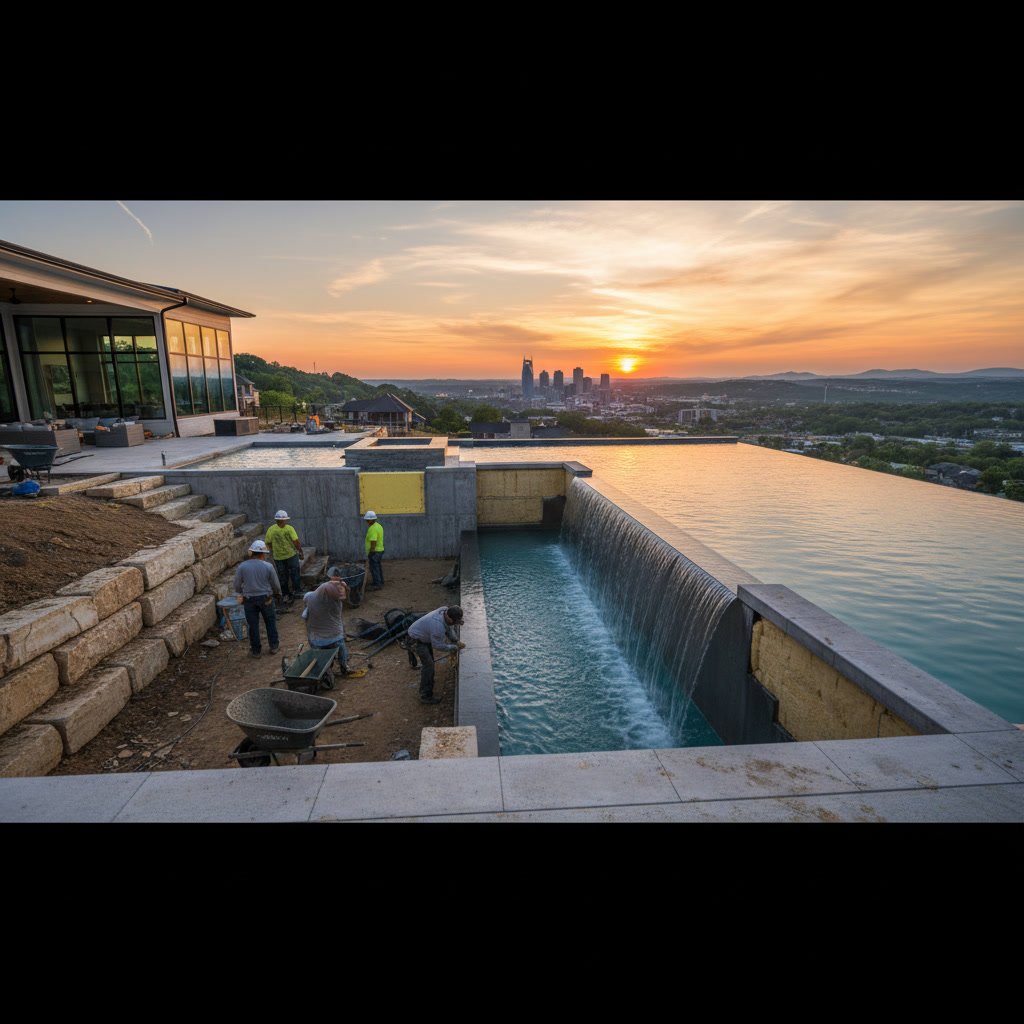
Sheer descent waterfalls create a sheet of water that pours from a wall or raised bond beam into the pool. Standard units range from $1,800 to $4,000 installed. Custom widths or designs with LED color-changing lights push toward the higher end.
Scuppers, smaller wall-mounted spouts often used in multiples, run $400 to $1,200 each. They work especially well with patios and raised spa installations.
Bubblers and Fountain Features
Bubblers installed in tanning ledges or shallow play areas cost $600 to $1,800 each. They create a mushroom or geyser effect and are popular with families who have young children.
Standalone fountain features, like bowls or urns positioned near the pool or patio, range from $2,500 to $8,000 depending on size, material, and whether they’re integrated into the pool’s plumbing or run on a separate small pump.
Rock Waterfalls
This is where water feature cost Franklin homeowners encounter the widest range. A modest rock waterfall with a single stream and modest height (three to four feet) starts around $8,000 to $12,000. Mid-range installations with natural stone, multiple cascades, and integrated landscape plantings run $15,000 to $22,000.
Elaborate custom designs incorporating caves, grottos, multiple spillways, submerged lighting, and significant rockwork can exceed $30,000. These projects often involve structural engineering, especially on sloped lots common in parts of Franklin.
Pro Tip: If you’re planning both a pool and a waterfall, build them together. Retrofitting a waterfall to an existing pool adds 20 to 30 percent to the cost due to demolition, plumbing modifications, and pump upgrades.
Design Considerations That Affect Your Budget
The visual impact of a water feature depends on thoughtful design, and several choices directly influence cost.
Height and Scale
Taller waterfalls require more rockwork, structural support, and pump capacity. A four-foot waterfall uses less material and a smaller pump than an eight-foot design. Each additional foot of height adds roughly $1,500 to $3,000 in materials and labor.
Scale also matters for horizontal spread. A waterfall that spans eight feet across the pool’s edge costs significantly more than a three-foot-wide cascade, due to increased stone volume and plumbing complexity.
Lighting Integration
LED lighting transforms water features after dark. Basic lighting adds $800 to $2,000 to a project. Color-changing systems with remote controls or smartphone integration run $1,500 to $4,000, depending on the number of fixtures and control sophistication.
Lighting requires dedicated electrical runs and transformers, which must be factored into the overall budget during the planning phase. Backyard Resort Pools includes lighting plans early in the design process to avoid costly change orders later.
Natural Stone vs. Manufactured Materials
Natural Tennessee fieldstone and boulders offer authentic texture and color variation, but they’re heavy, require skilled placement, and cost more per square foot. Expect to pay 30 to 50 percent more for natural stone compared to high-quality manufactured alternatives.
Manufactured stone kits and fiberglass rock systems have improved dramatically in recent years. They’re lighter, easier to install, and maintain consistent appearance. For many Franklin homeowners, they deliver excellent results at a more accessible price point.
How Water Features Integrate With Pool Types
Your pool type influences how easily a water feature can be added and what design options work best.
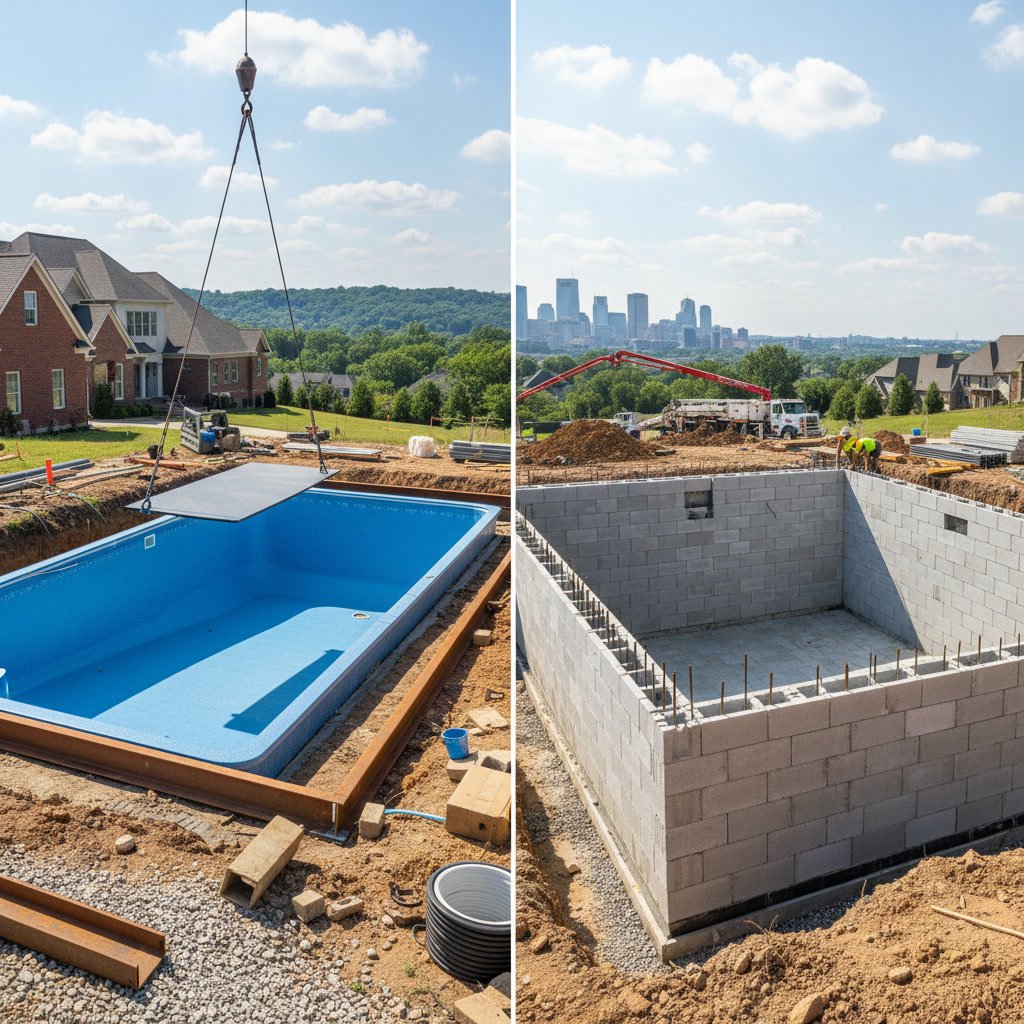
Fiberglass pools come with molded shapes and factory-set features. Adding a waterfall typically means positioning it outside the pool shell, cascading into the water from the surrounding deck or landscape. This approach works beautifully but requires careful planning during site prep and deck construction.
Concrete pools offer maximum flexibility. Waterfalls, grottos, and other features can be designed directly into the pool structure. Sheer descents and scuppers mount into the pool wall itself. This integration often results in the most seamless aesthetic but requires coordination during the shell construction phase.
Custom vinyl pools fall somewhere in between. While the vinyl liner itself limits in-wall features, surrounding structures like rock waterfalls and deck jets install just as easily as with other pool types. If you’re exploring what a custom vinyl pool offers, know that water feature integration is absolutely achievable.
Pump and Plumbing Requirements
Water features need adequate water flow to function properly. Small deck jets and bubblers often run off the pool’s main circulation pump with dedicated return lines. Larger waterfalls, especially rock features with significant height or volume, typically require a dedicated booster pump.
Booster pumps range from $600 to $1,800, plus installation labor. Variable-speed pumps, which are now standard in Tennessee due to energy codes, can handle multiple features efficiently but must be sized correctly during the design phase.
Plumbing runs add cost based on distance and complexity. If your waterfall sits 30 feet from the equipment pad, expect higher material and labor costs than a feature located five feet from the pump. PVC lines, fittings, and valves add $800 to $2,500 to most projects, depending on layout.
Key Takeaway: Always size your pump and plumbing for future additions. Adding capacity later requires significant rework, while building in extra capacity during initial construction adds minimal cost.
Permitting and Site-Specific Franklin Considerations
Williamson County, where Franklin is located, requires permits for pool construction and significant water features. Permit fees typically run $200 to $600, and inspections must be scheduled at key milestones.
Franklin’s building codes address electrical work, setbacks, and drainage. Water features must drain properly to avoid erosion or water pooling near the home’s foundation. On sloped lots, proper grading and drainage design prevent runoff issues that can damage both the feature and surrounding landscape.
If your property falls within a homeowners association, review design guidelines before finalizing plans. Some HOAs restrict water feature height, placement, or materials. Backyard Resort Pools handles permit applications and coordinates inspections, but it’s wise to confirm HOA requirements early in the process.
Maintenance and Operating Costs
Beyond initial installation, water features carry ongoing costs for electricity, water, and occasional maintenance.
Pump operation adds to your electric bill. A dedicated 1.5-horsepower booster pump running six hours per day costs roughly $30 to $50 per month in electricity during swim season, depending on local rates. Variable-speed pumps reduce this cost by 40 to 60 percent.
Water loss from splashing and evaporation is generally minimal, adding perhaps $10 to $20 per month in warmer months. Features with large surface areas or significant height lose more water than compact designs.
Maintenance involves occasional cleaning of pump strainers, checking plumbing connections for leaks, and removing debris from rock crevices. Most homeowners handle this themselves, but professional service calls run $100 to $200 if needed.
Working With a Local Franklin Pool Builder
Choosing a builder with deep local experience matters, especially for complex projects involving rock work, site grading, and electrical integration. Backyard Resort Pools has served Greater Nashville for over 50 years, with owner Ernie Nagy personally overseeing every project.
When you’re evaluating water feature cost Franklin contractors quote, look beyond the bottom line. Ask about materials, pump sizing, lighting options, and warranty coverage. A detailed proposal should itemize each component so you understand exactly what you’re paying for.
Working with a team that handles pool construction and hardscapes in-house ensures design continuity. Your waterfall integrates seamlessly with the pool, patio, and surrounding landscape because one crew manages the entire project from excavation to final landscaping.
Frequently Asked Questions
How much does a basic waterfall cost for a pool in Franklin TN?
A basic rock waterfall with modest height and a single stream typically costs $8,000 to $12,000 installed. This includes materials, labor, plumbing, and a dedicated pump. More elaborate designs with natural stone and multiple cascades run $15,000 to $30,000 or more.
Can I add a water feature to an existing pool?
Yes, water features can be retrofitted to existing pools, but expect to pay 20 to 30 percent more than if built during initial construction. Retrofits require plumbing modifications, potential pump upgrades, and sometimes deck removal and reconstruction. Deck jets and sheer descents are the easiest features to add later.
Do water features increase pool maintenance?
Water features add minimal maintenance if designed and installed correctly. You’ll need to clean pump strainers occasionally and remove debris from rock surfaces, but the pool’s filtration system handles the water itself. Proper plumbing design prevents algae buildup and stagnant water issues.
What type of water feature works best for small backyards?
Sheer descents, scuppers, and deck jets work beautifully in compact spaces. They provide visual and auditory appeal without requiring significant square footage. A well-placed sheer descent can create a dramatic focal point even on a modest-sized pool.
How long does it take to install a custom waterfall?
Installation time depends on complexity. Simple features like deck jets or sheer descents take one to two days. Custom rock waterfalls typically require four to seven days for excavation, plumbing, rock placement, and finishing work. Weather, material availability, and site access all impact the timeline.
Planning Your Franklin Water Feature Project
Understanding water feature cost Franklin projects involve starts with knowing your options, from budget-friendly deck jets to elaborate natural stone waterfalls. Material choices, feature type, and integration complexity drive the investment, which ranges from under $3,000 to over $30,000 for premium installations.
The key to a successful project is working with a builder who understands both design and the technical requirements of pump sizing, plumbing, and drainage. When your water feature is planned and built correctly, it becomes a centerpiece that enhances your outdoor space for decades.
Backyard Resort Pools brings over 50 years of experience to custom pool and water feature projects throughout Franklin, Tennessee and the Greater Nashville area. Owner Ernie Nagy oversees every installation, ensuring your vision is executed with craftsmanship and attention to detail. If you’re ready to explore options for your backyard, call +16159441612 to schedule a consultation.