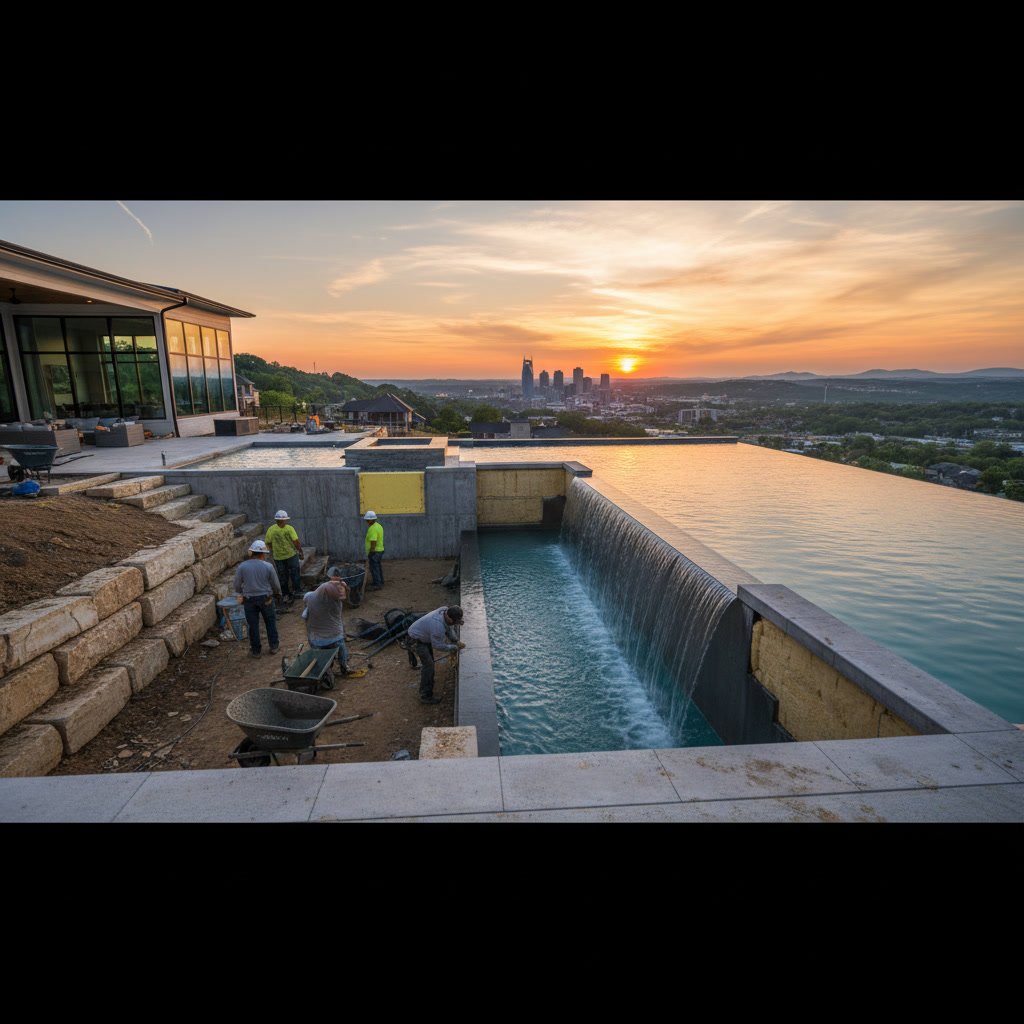
Shopping for an inground pool means choosing between three main types: concrete, fiberglass, and vinyl. While concrete offers unlimited shapes and fiberglass delivers quick installation, a custom vinyl pool strikes a balance between design flexibility and budget-friendly construction. If you want a pool tailored to your yard’s dimensions without the higher price tag of gunite, vinyl deserves serious consideration.
This guide explains what defines a custom vinyl pool, how it’s built, what advantages it offers, and how to decide if it’s the right choice for your property. You’ll also learn how vinyl compares to the other two main pool types and what to expect during installation.
What Defines a Custom Vinyl Pool
A custom vinyl pool consists of a structural shell, typically made from polymer panels, steel panels, or poured concrete walls, with a flexible vinyl liner that holds the water. The liner is manufactured to fit the exact dimensions and shape of your pool, giving you far more design freedom than a pre-molded fiberglass shell.
Unlike off-the-shelf options, custom vinyl pools are built on-site to match your yard’s unique layout. You select the length, width, depth, and overall shape. Want a shallow play area on one end and a deep diving zone on the other? A custom vinyl pool can accommodate that.
The liner itself is a thick, waterproof membrane available in dozens of patterns and colors. Modern vinyl liners can last 10 to 15 years with proper care, and replacement is straightforward when the time comes.
Most custom vinyl pools in the Nashville area use either steel or polymer wall panels because they resist ground movement better than concrete in Tennessee’s clay-heavy soil.

How a Custom Vinyl Pool Is Built
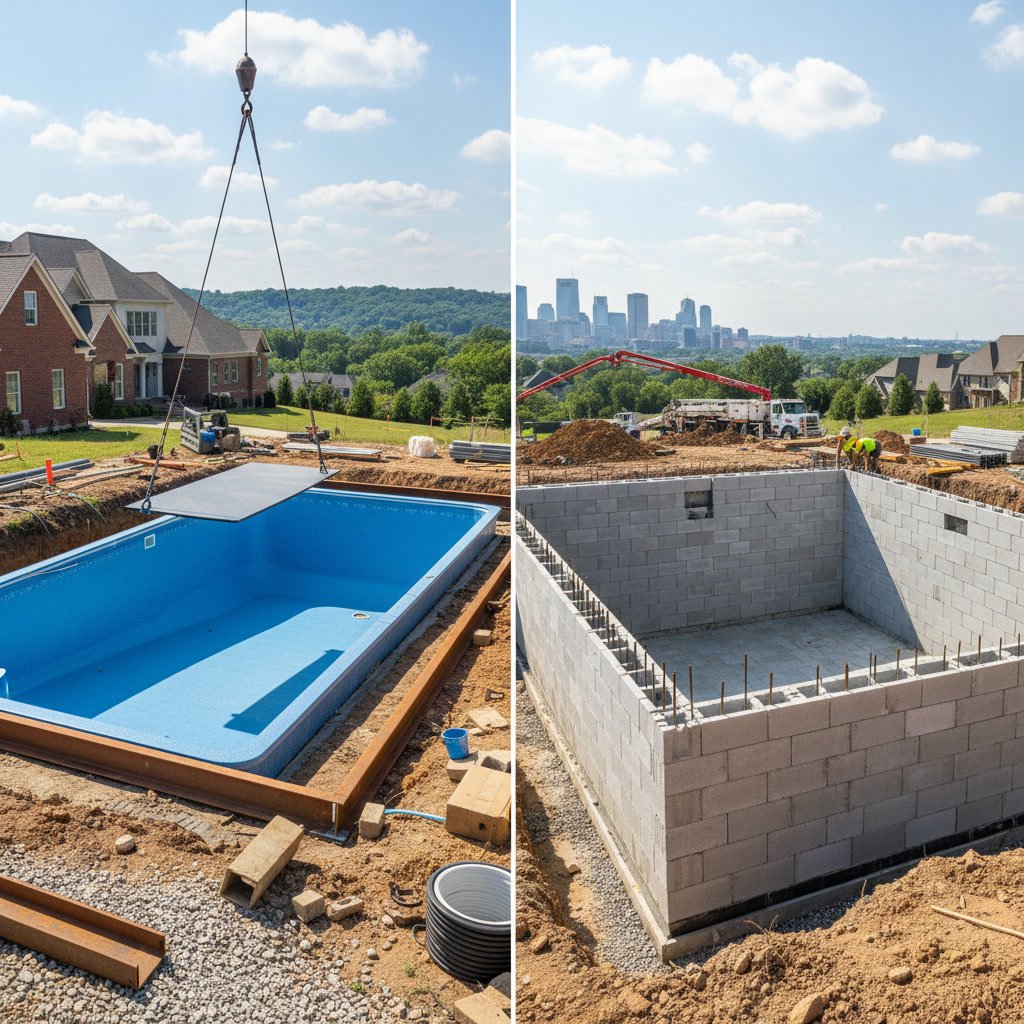
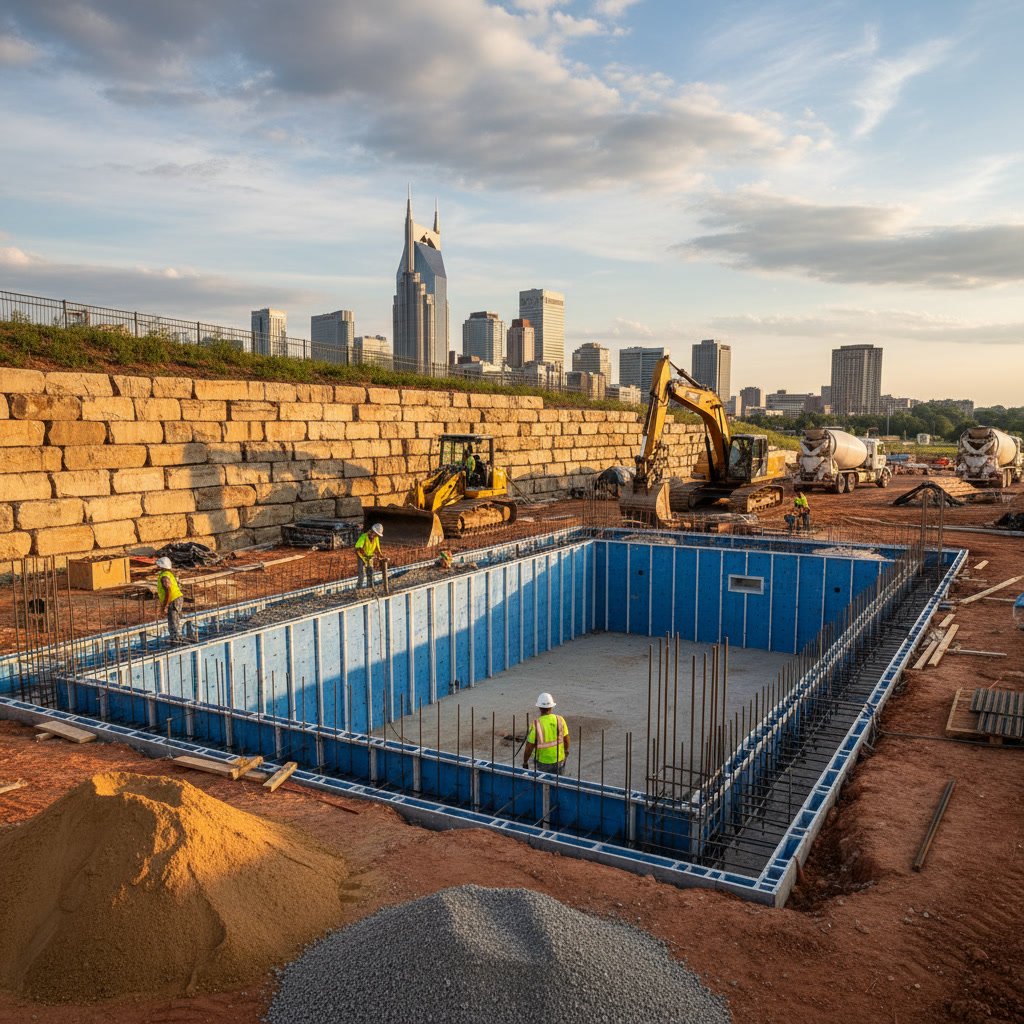
Construction begins with excavation. The crew digs the hole to match your approved design, accounting for slope, drainage, and any underground utilities. Once the hole is ready, they install the structural wall panels.
Steel or polymer panels lock together to form the perimeter. These panels carry the load of the surrounding soil and provide a stable framework for the liner. After the walls are secure, the crew pours a concrete footer around the base and installs the pool floor, usually a sand or vermiculite base smoothed to a uniform grade.
Next comes the plumbing and electrical work. Skimmers, return jets, drains, and any add-ons like water features are plumbed into place before the liner goes in.
The vinyl liner is then stretched across the interior, secured along the top edge with a bead or track system, and vacuumed tight against the walls and floor. Once the liner is in place, the pool is filled with water, which pushes the liner firmly into every corner and contour.
Finally, the surrounding deck is installed. Many homeowners pair their pool with patios or hardscapes to create a cohesive outdoor living area.
Advantages of Choosing a Custom Vinyl Pool
Cost is often the first factor that draws homeowners to vinyl. A custom vinyl pool typically costs 20 to 40 percent less than a comparable concrete pool. If budget is a primary concern but you still want a personalized design, vinyl delivers strong value.
The smooth liner surface feels comfortable underfoot and doesn’t harbor algae as readily as porous concrete. You won’t scrape your feet or knees on a rough finish, which makes vinyl especially appealing for families with young children.
Installation is faster than concrete. While a gunite pool can take eight to twelve weeks, a custom vinyl pool often wraps up in four to six weeks, depending on weather and site conditions.
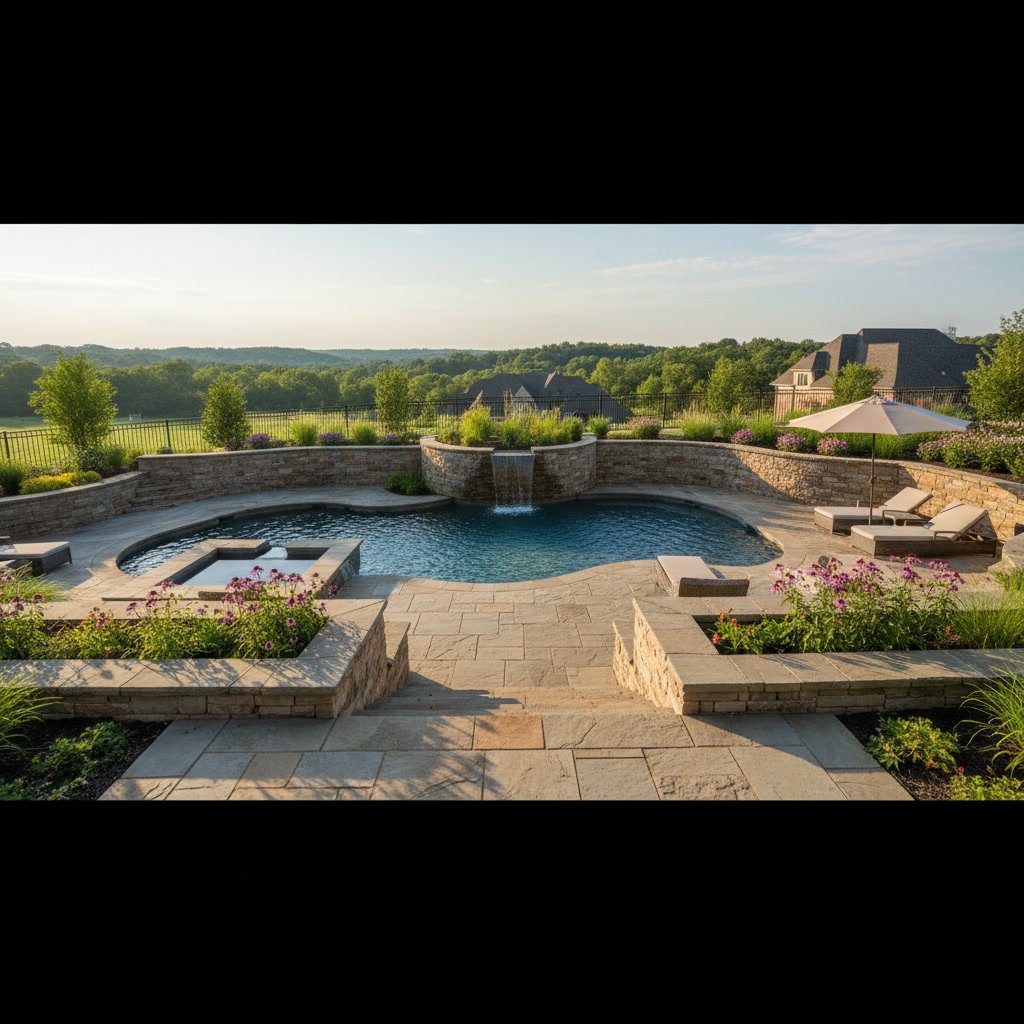
Design flexibility is another major benefit. You’re not limited to the handful of shapes available in fiberglass molds. Your pool can be rectangular, kidney-shaped, freeform, L-shaped, or anything else that fits your yard and aesthetic preferences.
Pro Tip: Vinyl liners are available in patterns that mimic tile, pebble, and even natural stone. Choose a darker color if you want the water to appear deeper and more dramatic.
Because the liner is replaceable, you can refresh the look of your pool every decade or so without rebuilding the entire structure. Replacement liners cost a fraction of what you’d spend resurfacing a concrete pool.
How Custom Vinyl Pools Compare to Concrete and Fiberglass
Concrete pools offer unlimited customization. You can build any shape, depth, or feature you imagine, but that flexibility comes at a higher price and longer construction timeline. Concrete surfaces also require acid washing and resurfacing every 10 to 15 years.
Fiberglass pools arrive as a single molded shell, which speeds installation but limits your design options. You’re choosing from a catalog of pre-made shapes. If your yard has unusual dimensions or you want a unique layout, fiberglass may not fit.
Vinyl sits in the middle. It costs less than concrete, installs faster, and offers more design freedom than fiberglass. The tradeoff is the liner, which will need replacement over time. However, liner replacement is a manageable expense that many homeowners plan for as routine maintenance.
For a detailed breakdown of how these materials compare in terms of cost, durability, and maintenance, read our post on concrete vs vinyl pools.

Customization Options for Vinyl Pools
Shape is just the starting point. You can add steps, benches, tanning ledges, swim-outs, and beach entries. Each feature is built into the structural frame before the liner is installed.
Tanning ledges, sometimes called baja shelves, are shallow platforms where you can lounge in a few inches of water. They’re popular for families with toddlers and anyone who wants a spot to relax without fully submerging.
Benches can be integrated along the perimeter for seating. Swim-outs create a dedicated entry and exit point that’s easier on the knees than climbing a ladder.
You can also incorporate water features like deck jets, bubblers, or spillover spas. These additions enhance the visual appeal and create soothing background noise.
Lighting is another customization worth considering. LED lights mounted in the walls or floor can change colors, set a mood for evening gatherings, and improve safety after dark.
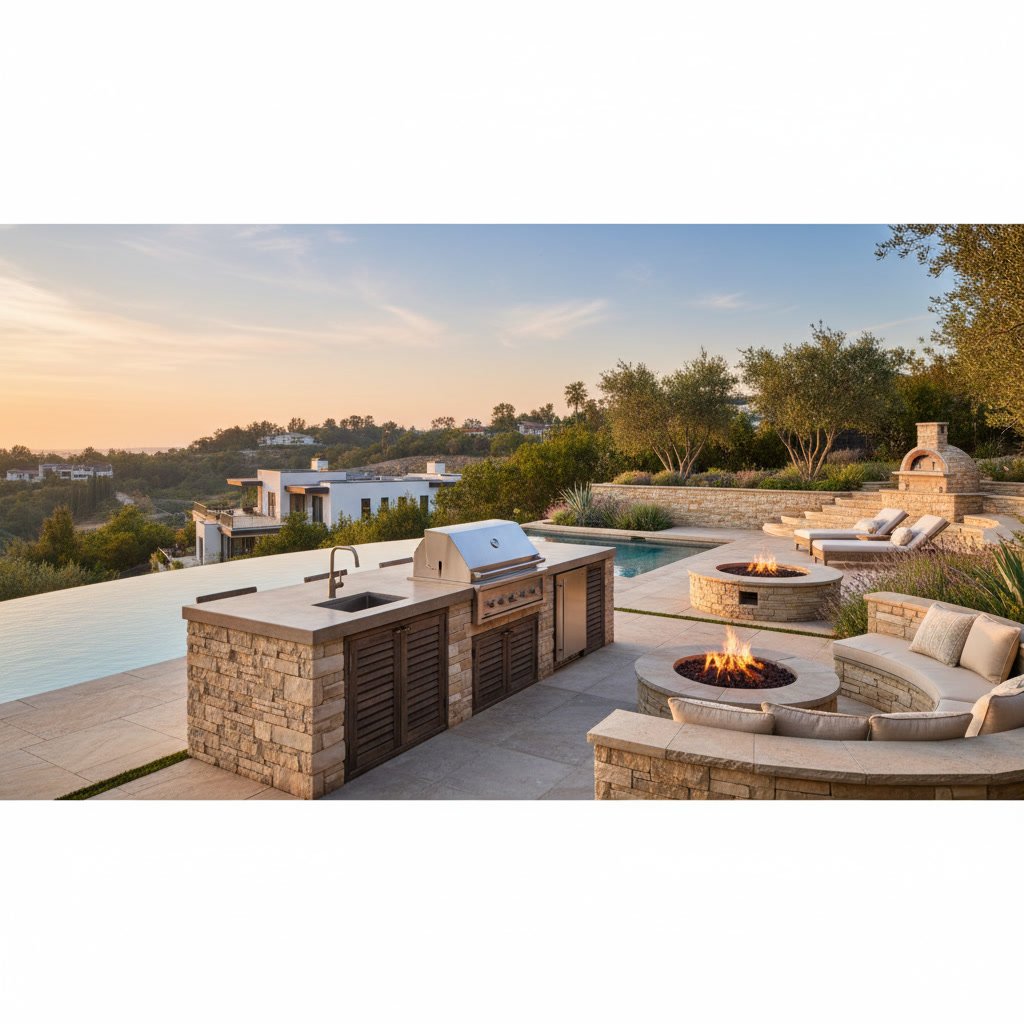
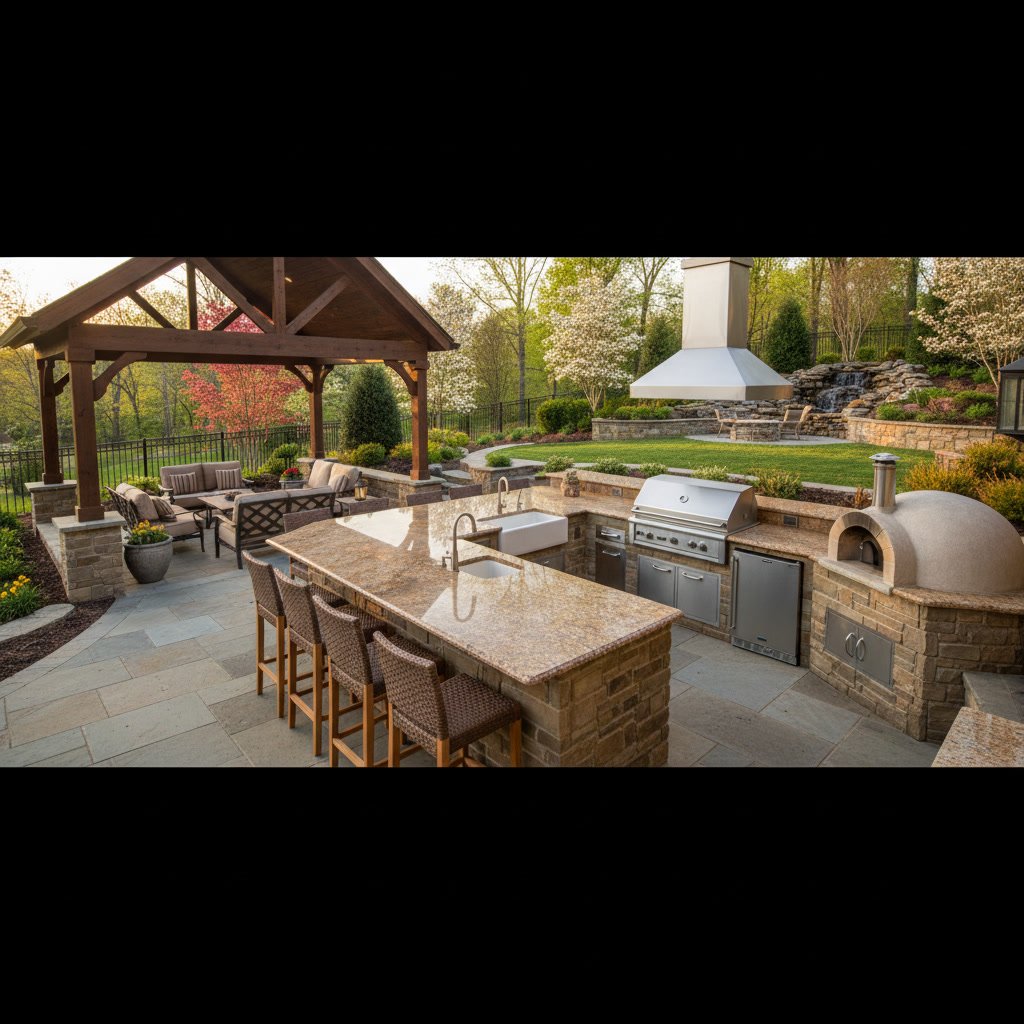
Many homeowners in Brentwood and Franklin pair their pools with outdoor kitchens and fire pits to create a true backyard resort atmosphere.
Maintenance Considerations for Vinyl Liners
Vinyl liners are durable, but they’re not indestructible. Sharp objects, pet claws, and heavy furniture can puncture the material. Most minor tears can be patched quickly with a vinyl repair kit, but it’s smart to keep pool toys and furniture away from the liner.
Chemical balance is important. High chlorine levels or low pH can degrade the liner over time, causing it to become brittle or faded. Test your water regularly and keep it within the recommended ranges.
Winterizing is critical in Tennessee. Freezing temperatures can damage the liner if water isn’t properly lowered and the pool isn’t covered. A quality winter cover protects the liner from UV damage and keeps debris out.
Algae can grow along the liner if sanitation slips, but the smooth surface makes it easier to brush away than the textured finish of concrete. Regular brushing and vacuuming keep the liner looking fresh.
Key Takeaway: A well-maintained vinyl liner can last 12 to 15 years. Proper chemical balance, routine cleaning, and winterization are the three pillars of liner longevity.
Cost Breakdown for a Custom Vinyl Pool
In the Nashville area, a basic custom vinyl pool starts around $35,000 to $50,000 for a standard rectangular design with minimal features. Mid-range pools with custom shapes, benches, and upgraded liners typically run $50,000 to $75,000.
High-end vinyl pools with tanning ledges, integrated spas, premium coping, and extensive hardscape work can reach $80,000 to $100,000 or more.
These figures include excavation, structural panels, liner, plumbing, equipment, basic decking, and fill dirt removal. They do not include permits, fencing, landscaping, or additional features like outdoor kitchens or retaining walls.
Liner replacement, when the time comes, generally costs $3,500 to $6,000 depending on pool size and liner quality. This is far less than resurfacing a concrete pool, which can exceed $10,000.
If you’re comparing vinyl to fiberglass, check out our guide on fiberglass pool costs in Nashville to see how the numbers stack up.

Is a Custom Vinyl Pool Right for Your Property
Vinyl works well in yards with challenging layouts where a fiberglass shell won’t fit. If your lot is narrow, irregularly shaped, or has obstacles like trees or utilities, a custom vinyl pool can be designed to work around those constraints.
It’s also a strong choice if upfront cost is a deciding factor. You get a fully customized pool without the premium price of concrete.
Families who prioritize comfort often prefer vinyl because of the smooth surface. There’s no rough plaster to scrape against, and the material stays cooler underfoot in direct sun compared to concrete.
However, vinyl may not be ideal if you want elaborate tile mosaics, vanishing edges, or highly sculptural features. Those designs are better suited to concrete construction.
If you’re willing to invest in periodic liner replacement and prefer a gentler surface over long-term durability, vinyl is a practical and attractive option.
Frequently Asked Questions
How long does a vinyl pool liner last?
A quality vinyl liner typically lasts 10 to 15 years with proper maintenance. Factors like chemical balance, UV exposure, and winterization practices affect longevity. When the liner shows signs of fading, cracking, or leaking, it’s time for replacement.
Can you repair a torn vinyl liner?
Yes, small tears and punctures can be patched using underwater vinyl repair kits. Larger damage may require a professional assessment. In some cases, extensive damage makes full liner replacement the more cost-effective solution.
Are custom vinyl pools as durable as concrete pools?
The structural shell of a vinyl pool, whether steel or polymer, is highly durable and can last decades. The liner itself is the component that requires periodic replacement. Concrete pools have longer-lasting interior surfaces but require resurfacing every 10 to 15 years, which is more expensive than replacing a liner.
Can I add a heater or saltwater system to a vinyl pool?
Absolutely. Vinyl pools are fully compatible with heaters, saltwater chlorinators, automation systems, and other modern pool technology. Saltwater systems are particularly popular because they reduce the need for manual chlorine dosing, though it’s important to monitor salt levels to avoid liner degradation.
What happens if I want to change the shape of my pool later?
Changing the shape requires modifying the structural walls, which is a major renovation similar to building a new pool. However, you can refresh the appearance by choosing a different liner pattern or color during replacement, giving your pool a new look without altering its footprint.
Working with a Trusted Pool Builder in Greater Nashville
A custom vinyl pool offers design flexibility, smooth surfaces, and lower upfront costs compared to concrete. It’s a proven choice for homeowners across Greater Nashville who want a personalized pool that fits their budget and yard.
Backyard Resort Pools INC has been building custom pools for over five decades. Owner Ernie Nagy oversees every project personally, ensuring that craftsmanship and attention to detail remain the top priorities. Whether you’re considering vinyl, exploring concrete pools, or comparing fiberglass options, the team provides transparent pricing and hands-on service from design through completion.
Serving Nashville, Murfreesboro, Hendersonville, and surrounding communities, Backyard Resort Pools INC is fully licensed and insured. To discuss your project and get a detailed estimate, call +16159441612 or visit the contact page to schedule a consultation.