Planning a backyard pool project means facing a maze of construction methods, materials, and price points. If you’ve been researching pool types for your Nashville property, you’ve likely encountered ICF pools and wondered whether they fit your budget. Understanding ICF pool cost Nashville requires looking beyond a single number to examine the factors that make each project unique.
This guide breaks down the real costs of ICF pool construction in Greater Nashville, from base pricing to the variables that push projects higher or lower. You’ll learn what ICF technology brings to the table, how it compares to other pool types, and what to expect when you’re ready to build.
What Is an ICF Pool and Why Consider One
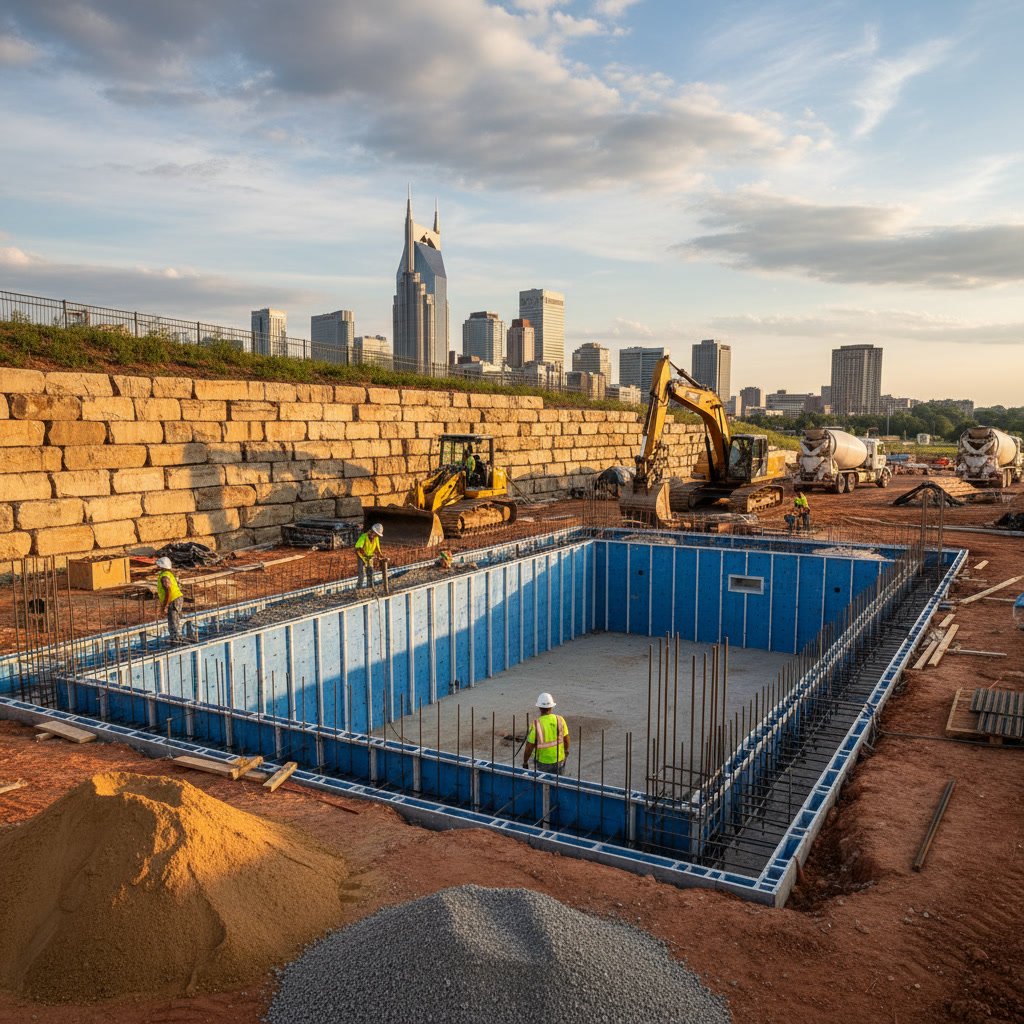
ICF stands for Insulated Concrete Form. These are interlocking foam blocks that stack like oversized Legos to create the pool shell. Once the forms are in place, contractors pour concrete into the hollow cores, creating a reinforced concrete structure with built-in insulation on both sides.
The foam forms stay in place permanently, providing thermal insulation that helps maintain water temperature and reduces heating costs. The result is a pool with concrete strength, superior insulation, and design flexibility that rivals custom concrete pools.
Nashville’s climate makes ICF pools particularly appealing. The insulation layer buffers against temperature swings, extending your swimming season and reducing the energy needed to keep water comfortable. The reinforced concrete core handles soil movement and freeze-thaw cycles better than many alternatives.
Average ICF Pool Cost Nashville Ranges
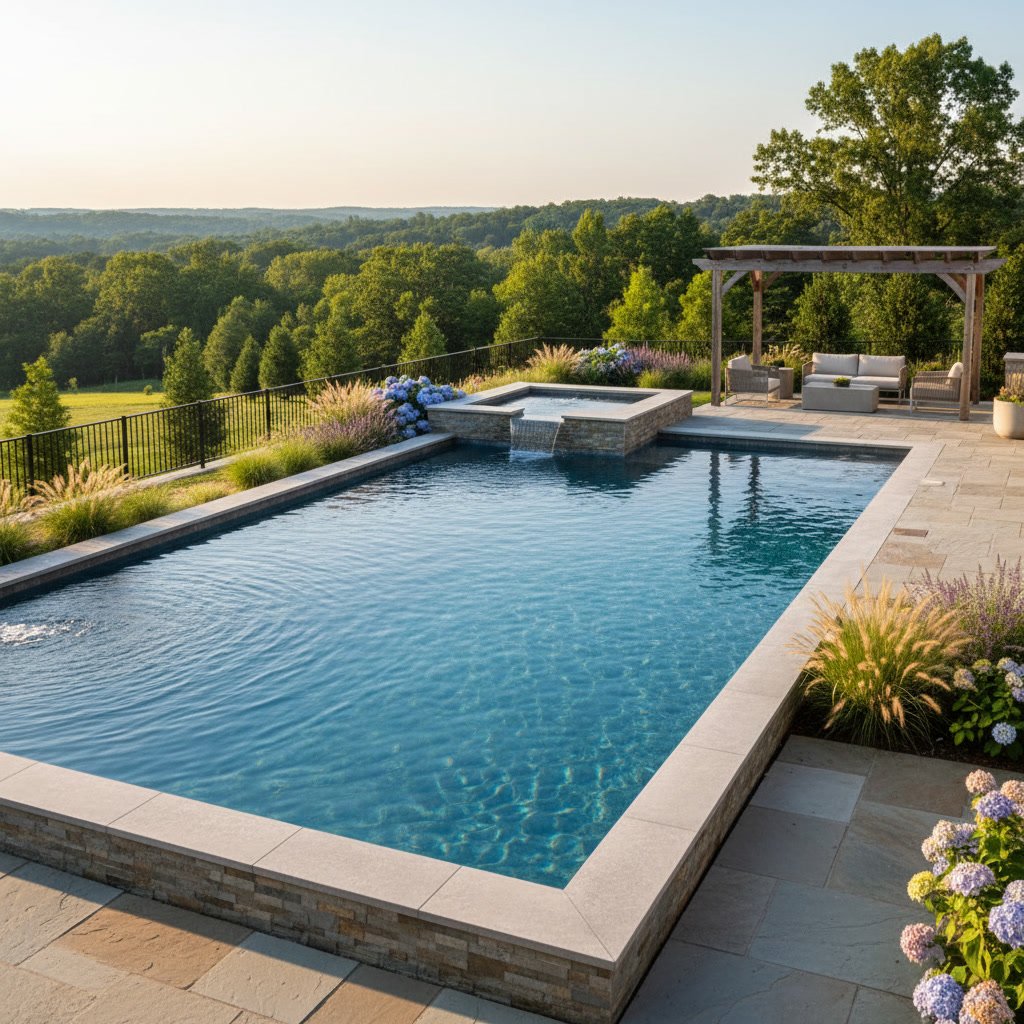
In the Greater Nashville area, ICF pool projects typically range from $75,000 to $150,000 for a complete installation. That wide range reflects the reality that no two pool projects are identical.
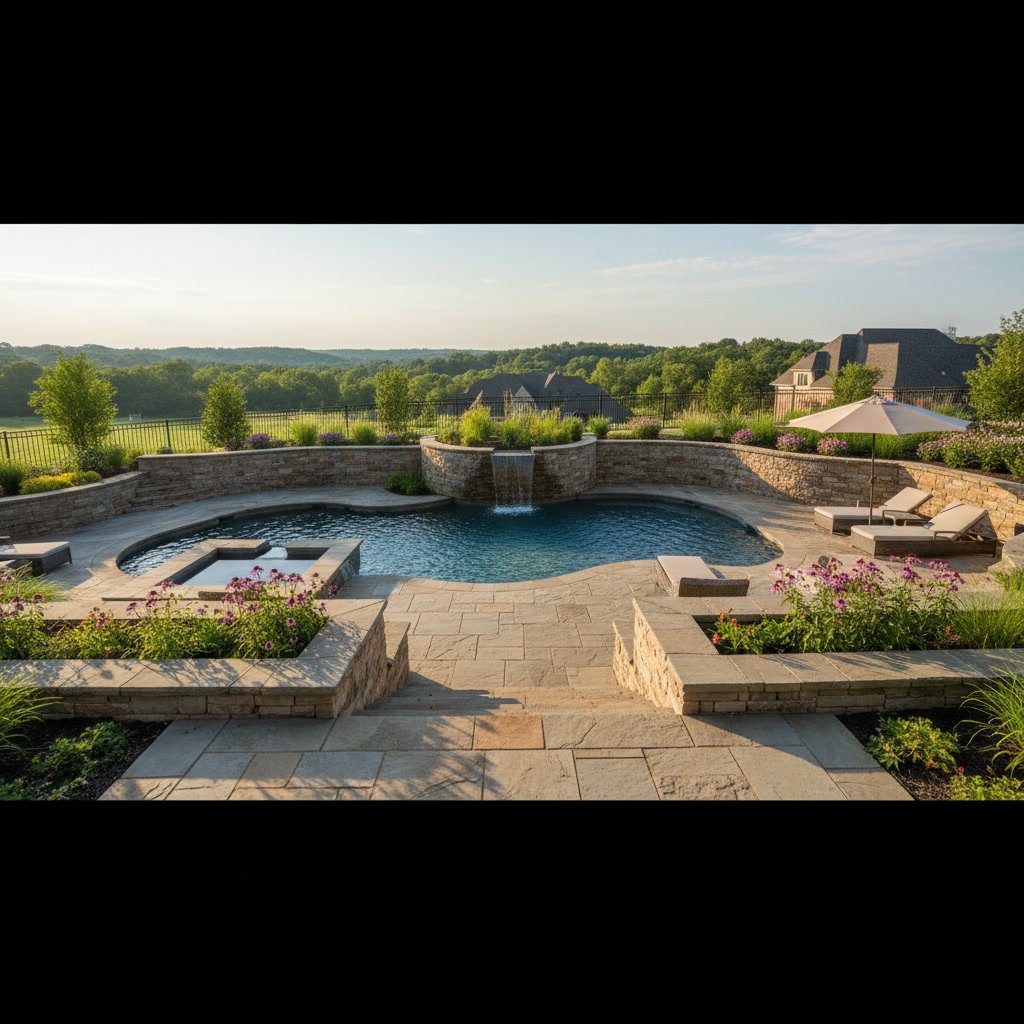
A basic 14×28 rectangular ICF pool with standard finishes, basic equipment, and minimal site work might land near the lower end. A larger freeform design with premium finishes, integrated spa, advanced automation, and extensive hardscapes can easily exceed $150,000.
These figures include the pool shell, equipment, basic decking, and standard finishes. They assume reasonable site access and relatively level terrain. If your property requires significant excavation, grading, or access challenges, costs increase accordingly.
Size and Depth Impact on Price
Pool size drives material and labor costs directly. A 400-square-foot pool requires less concrete, fewer forms, less excavation, and shorter installation time than a 600-square-foot pool.
Depth matters too. A shallow pool with a maximum depth of five feet uses less material than one with an eight-foot deep end. Every additional foot of depth means taller walls, more concrete, and more complex engineering.
Most families find that a pool between 300 and 500 square feet meets their needs without unnecessary expense. Backyard Resort Pools Inc. works with homeowners across Franklin, Tennessee and surrounding areas to right-size pools for both family use and property scale.
Shape Complexity and Custom Features
Rectangular pools cost less to build than freeform designs with curves, angles, and irregular shapes. The ICF blocks cut and shape relatively easily, but complex geometries require more labor, more waste, and more precision.
Built-in features like tanning ledges, beach entries, swim-up bars, and integrated spas add both material and labor costs. Each feature requires additional planning, engineering, and construction time.
Custom tile work, infinity edges, and architectural water features increase costs significantly. If your vision includes these elements, budget an additional 20 to 40 percent over base pool costs.
What Influences ICF Pool Cost Nashville
Beyond the pool itself, several factors specific to your property and preferences affect final costs.
Site Conditions and Access
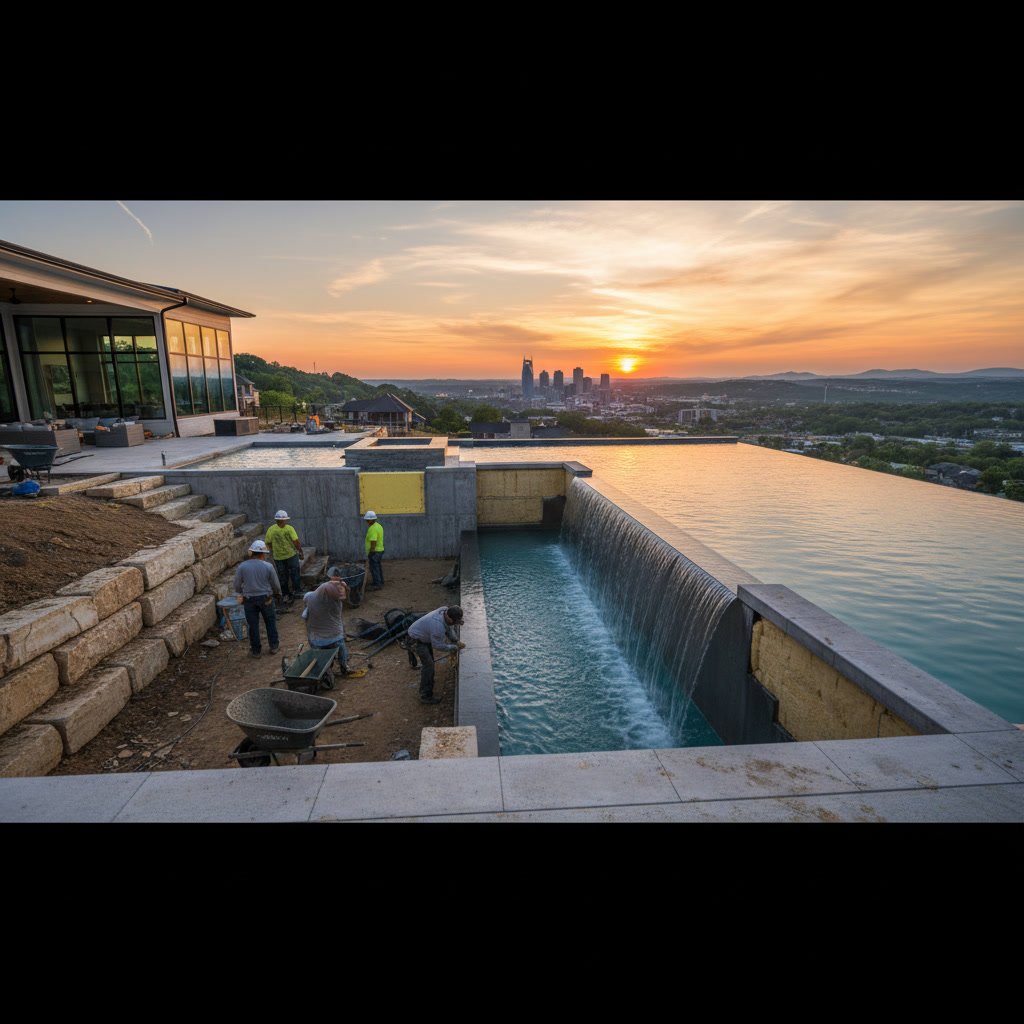
A level lot with easy equipment access costs less to develop than a sloped property requiring extensive grading. If your backyard sits on a hillside, you might need retaining walls to create a level pool area.
Rocky soil or high water tables increase excavation costs. Contractors may need specialized equipment or dewatering systems. Properties with limited access sometimes require smaller equipment or hand-digging in tight areas, adding labor hours.
Utility lines, septic systems, and easements can complicate pool placement. Relocating utilities or working around restrictions adds both time and expense to projects.
Finish Materials and Surface Options
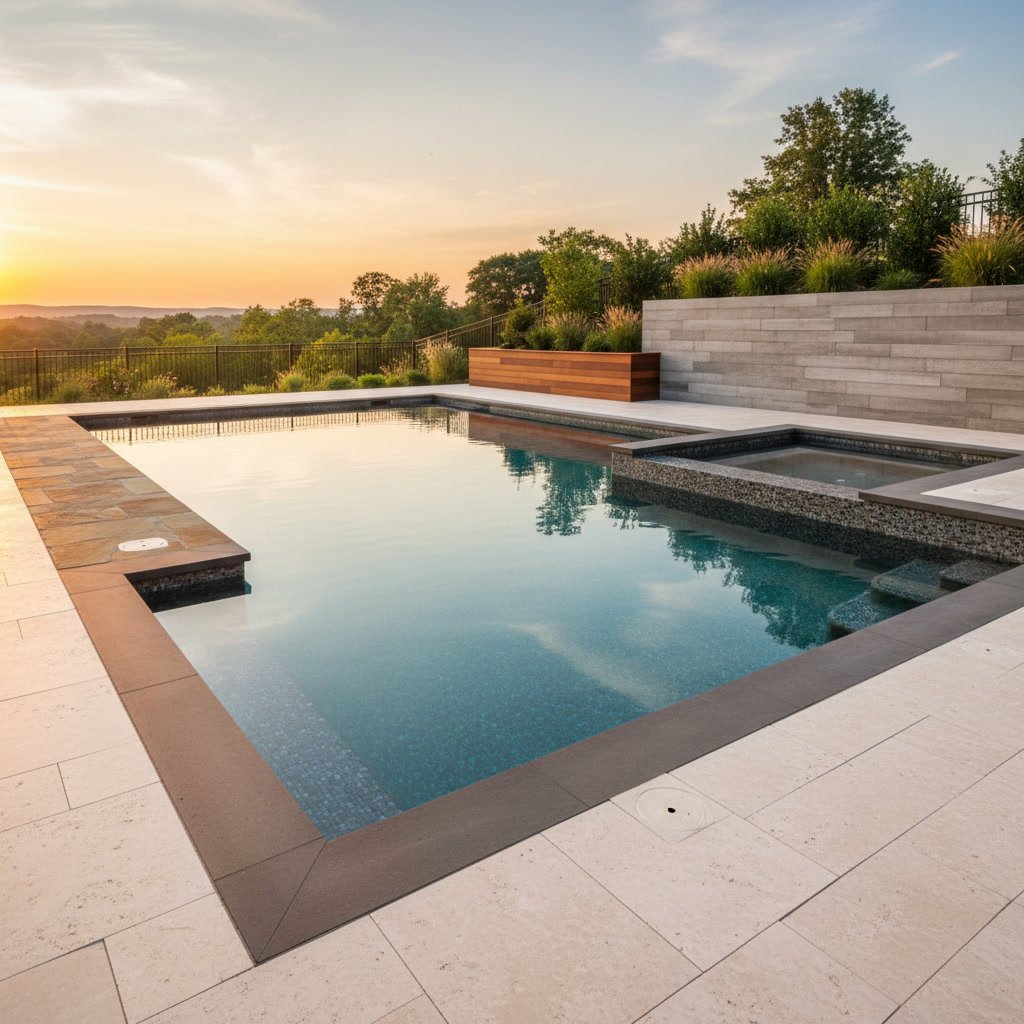
The interior finish you choose dramatically affects both appearance and cost. Standard plaster finishes represent the most economical option, typically adding $5,000 to $8,000 to the project.
Upgraded finishes like aggregate surfaces, tile, or specialty coatings range from $10,000 to $25,000 depending on material quality and coverage area. These premium surfaces offer enhanced durability and aesthetics but require a higher initial investment.
Coping and decking materials around the pool perimeter also vary widely in cost. Poured concrete offers the most budget-friendly option, while natural stone, pavers, and stamped concrete increase expenses. For guidance on materials suited to local weather patterns, see our post on patio materials for Nashville weather.
Equipment and Automation Systems
Pool equipment represents a significant cost component. A basic pump, filter, heater, and sanitization system typically runs $8,000 to $15,000.
Energy-efficient variable-speed pumps, heat pumps, saltwater systems, and automated controls push equipment costs higher. These upgrades often pay for themselves through reduced operating costs and improved convenience.
Advanced automation systems that control temperature, lighting, cleaning, and chemistry from your smartphone add $2,000 to $5,000 but deliver substantial lifestyle benefits.
Additional Features and Amenities
Many Nashville homeowners expand their pool projects to include complementary features. Water features like waterfalls, fountains, and bubblers range from $2,000 for simple deck jets to $15,000 or more for elaborate rock waterfalls.
Lighting transforms pools from daytime recreation areas to nighttime entertainment spaces. LED lighting systems cost between $1,500 and $5,000 depending on coverage and color options.
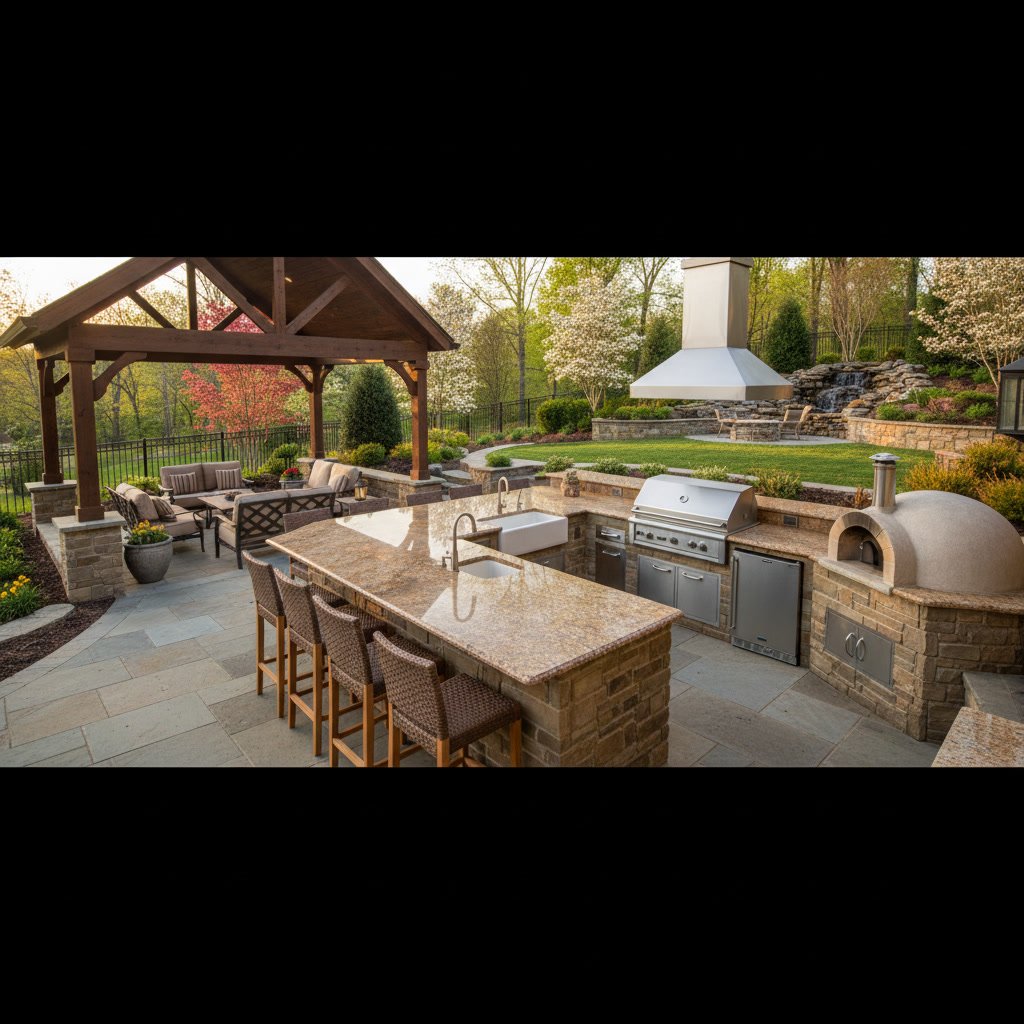
Outdoor kitchens, fire features, and covered pavilions extend your pool’s functionality but require separate budgets. An outdoor kitchen might add $10,000 to $50,000 depending on appliances and finishes.
Pro Tip: If budget constraints require phasing your project, prioritize the pool shell and equipment first. You can add water features, upgraded lighting, and outdoor living spaces in future seasons without compromising the pool’s structural integrity.
ICF Pools Compared to Other Pool Types
Understanding how ICF pool cost Nashville compares to alternatives helps you make an informed decision.
ICF vs Fiberglass Pools
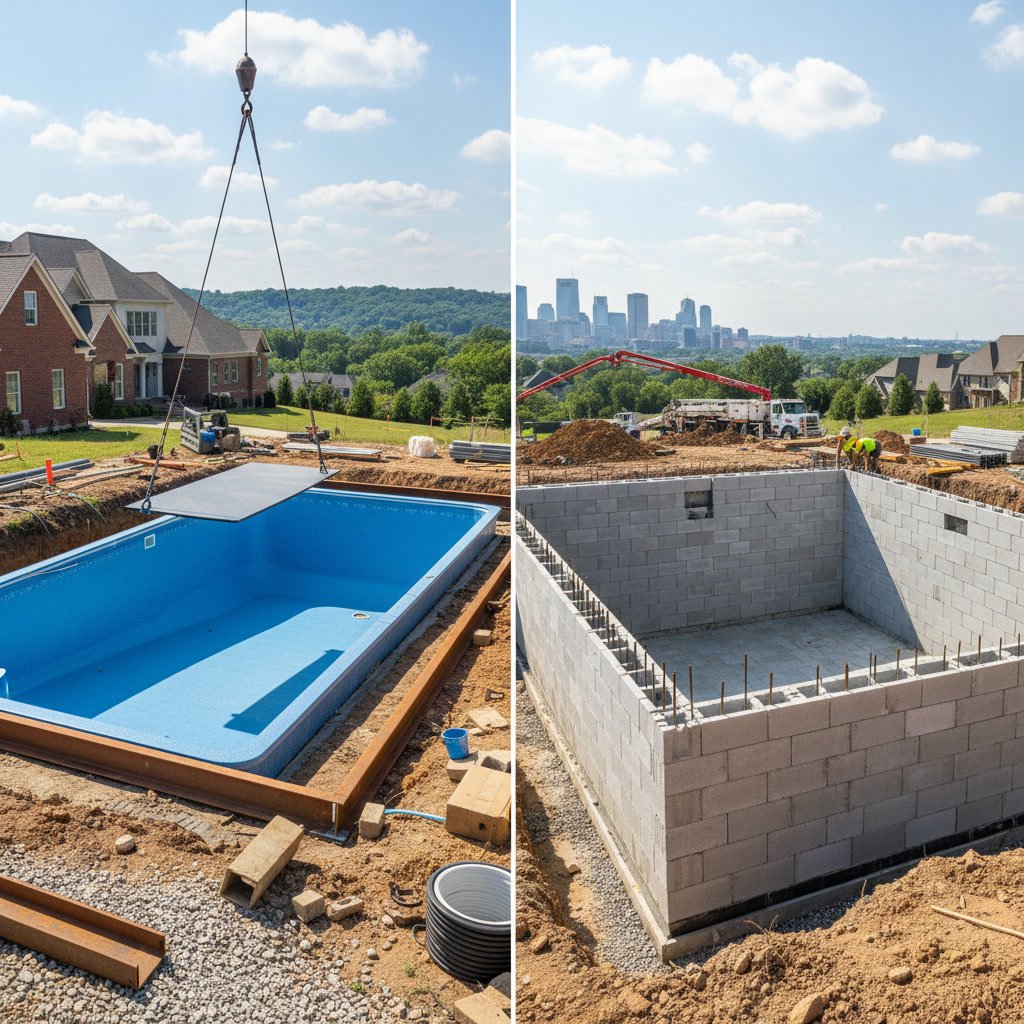
Fiberglass pools typically cost between $50,000 and $90,000 installed. They offer faster installation, often completed in one to two weeks versus four to eight weeks for ICF construction.
However, fiberglass pools come in predetermined shapes and sizes. You’re limited to what manufacturers produce. ICF pools offer complete design freedom, accommodating any shape, size, or depth your property and budget allow.
Fiberglass pools work well for straightforward projects on level lots with standard dimensions. ICF pools suit homeowners wanting custom designs or facing challenging site conditions. For detailed cost comparisons, see our article on fiberglass pool costs in Nashville.
ICF vs Traditional Concrete Pools
Traditional gunite or shotcrete concrete pools cost similarly to ICF pools, ranging from $75,000 to $150,000 or more. Both methods create durable, fully customizable concrete structures.
The key difference lies in the insulation layer. ICF pools maintain temperature more efficiently, reducing heating costs by 20 to 40 percent in many cases. This energy savings compounds over the decades you’ll own the pool.
Construction timelines run similar for both methods. ICF pools may progress slightly faster since the forms go up quickly, but curing time for concrete remains constant.
ICF vs Vinyl Liner Pools
Custom vinyl pools represent the most budget-friendly option, typically ranging from $40,000 to $70,000. They install quickly and offer design flexibility through panel construction.
Vinyl liners require replacement every eight to twelve years at a cost of $4,000 to $7,000. Over a 30-year ownership period, you’ll replace the liner three or four times, narrowing the total cost difference between vinyl and ICF options.
ICF pools offer superior durability and eliminate liner replacement costs. The concrete and foam structure lasts decades with proper maintenance. For deeper exploration of pool type trade-offs, read our comparison of concrete vs vinyl pools.
Hidden Costs and Budget Planning
Smart budget planning accounts for expenses beyond the initial construction contract.
Permits and Inspections
Pool permits in Nashville and surrounding cities cost between $500 and $2,000 depending on jurisdiction and project scope. Some municipalities charge flat fees while others calculate costs based on project value.
Electrical permits for pool equipment and lighting add several hundred dollars. Inspections occur at multiple project stages, and contractors must schedule work around inspection availability.
Reputable builders include permit costs in their proposals. If a quote seems unusually low, verify whether permits are included.
Landscaping and Site Restoration
Pool construction disrupts your yard. Heavy equipment compacts soil, excavation piles dirt, and workers create pathways that damage grass and plantings.
Budget $3,000 to $10,000 for landscaping restoration depending on your property size and the extent of desired improvements. Some homeowners use pool installation as an opportunity to redesign their entire backyard landscape.
Grading work to manage drainage away from the pool adds costs but prevents future water problems around your home’s foundation.
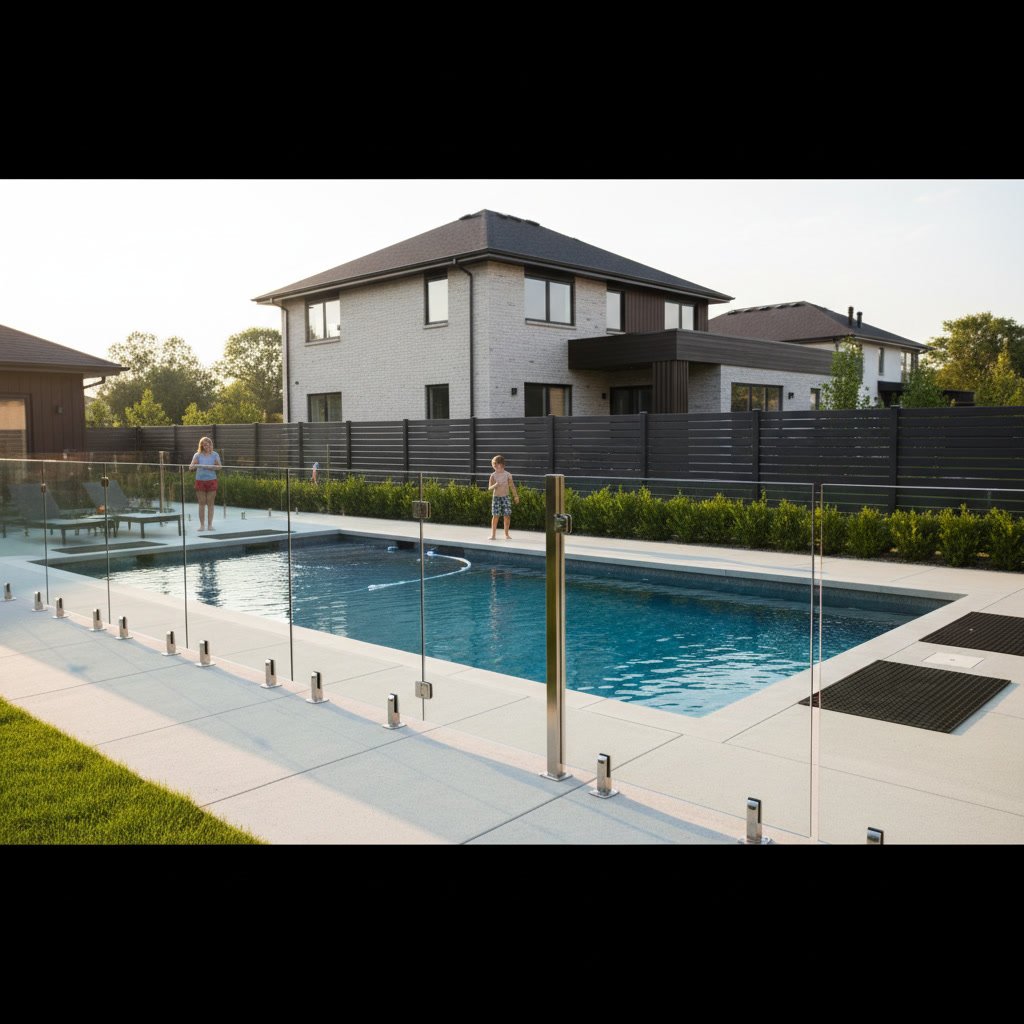
Fencing and Safety Features
Tennessee requires barriers around residential pools. Fence costs vary from $15 to $50 per linear foot depending on material and height.
A typical pool requires 100 to 150 linear feet of fencing, putting total fence costs between $1,500 and $7,500. Aluminum and vinyl fencing fall on the lower end, while ornamental iron and glass panels cost more.
Safety covers, pool alarms, and automatic gate closers provide additional protection for families with young children. These features add $1,000 to $3,000 but offer invaluable peace of mind.
Long-Term Value and Operating Costs
ICF pool cost Nashville discussions should include ongoing expenses and property value impacts.
Energy Efficiency and Heating Costs
The insulated walls in ICF pools reduce heat loss significantly. Depending on your heating system and usage patterns, you might save $500 to $1,500 annually compared to non-insulated concrete pools.
Over 20 years of ownership, these savings add up to $10,000 to $30,000. The higher upfront cost of ICF construction offsets partially through reduced operating expenses.
Variable-speed pumps and heat pump heaters further reduce energy consumption. These investments pay back through lower utility bills within three to seven years.
Maintenance and Repair Costs
ICF pools require the same routine maintenance as other pool types. Weekly chemical balancing, filter cleaning, and seasonal opening and closing cost roughly the same regardless of construction method.
Budget $800 to $1,500 annually for chemicals, routine maintenance, and water. Professional service contracts cost more but save time and ensure proper care.
Structural repairs occur rarely with properly built ICF pools. The reinforced concrete core and foam protection create an exceptionally durable structure that withstands ground movement and weather extremes common in Tennessee.
Property Value Impact
Pools add to property value, though the return varies by neighborhood and local market conditions. In Nashville’s competitive real estate market, well-designed pools enhance appeal and often help properties sell faster.
Expect to recoup 50 to 70 percent of your pool investment when selling, assuming the pool suits the neighborhood and property. A $100,000 pool might add $50,000 to $70,000 to your home’s value.
The lifestyle value often matters more than strict financial return. A pool transforms your property into a private resort where you create family memories for decades.
Key Takeaway: ICF pools cost more upfront than vinyl options but less than you might expect when you factor in energy savings, eliminated liner replacements, and superior longevity. For many Nashville homeowners, the combination of custom design freedom and thermal efficiency justifies the investment.
Choosing the Right Builder for Your ICF Pool
Builder selection impacts both initial costs and long-term satisfaction. The lowest bid rarely delivers the best value.
Look for builders with specific ICF pool experience. The construction method differs from traditional concrete pools, and expertise matters. Ask to see completed ICF projects and speak with past clients.
Licensed and insured contractors protect you from liability and demonstrate professionalism. Verify licenses through state databases and confirm insurance coverage directly with carriers.
Owner involvement matters. Large volume builders often send different crews to each job with minimal supervision. Backyard Resort Pools Inc. operates differently, with owner Ernie Nagy on-site daily throughout construction across Brentwood, Murfreesboro, and throughout Greater Nashville.
Transparent pricing eliminates surprises. Detailed proposals that break down costs by component let you understand exactly what you’re paying for and make informed decisions about upgrades or alternatives.
Timeline Expectations for ICF Pool Construction
Understanding the construction timeline helps you plan around disruption and prepare for completion.
ICF pool projects typically take six to ten weeks from excavation to final inspection. Weather, permit processing, and project complexity affect this timeline.
The first week involves excavation and site preparation. Forms go up during week two, with plumbing and electrical rough-ins following. Concrete pour happens in week three, followed by curing time.
Finishing work including tile, coping, decking, and equipment installation occupies weeks four through eight. Final grading, landscaping, and inspection close out the project.
For a detailed breakdown of what happens during each construction phase, see our guide to ICF pool construction timeline in Nashville.
Frequently Asked Questions
Are ICF pools more expensive than traditional concrete pools
ICF pools and traditional concrete pools cost similarly, both ranging from $75,000 to $150,000 in the Nashville area. ICF pools may cost slightly more initially but often save money over time through reduced heating costs. The insulation layer in ICF construction reduces energy consumption by 20 to 40 percent compared to non-insulated concrete pools.
How long do ICF pools last
Properly constructed ICF pools last 50 years or more with routine maintenance. The reinforced concrete core provides exceptional structural durability, while the foam insulation protects the concrete from temperature extremes and moisture. Unlike vinyl pools that require liner replacement every decade, ICF pools maintain their structure indefinitely with only surface refinishing needed every 10 to 15 years.
Can you build an ICF pool on a sloped lot
Yes, ICF pools work well on sloped properties. The construction method adapts to varied terrain, and the structural strength handles soil pressures effectively. Sloped lots often require retaining walls and additional grading work, which increases project costs. However, ICF pools frequently prove more cost-effective than alternatives on challenging sites due to their engineering flexibility and strength.
What permits do you need for an ICF pool in Nashville
Nashville pool projects require building permits from your local municipality, electrical permits for pool equipment and lighting, and sometimes separate permits for gas lines if you install a gas heater. Permit costs range from $500 to $2,000 depending on jurisdiction and project scope. Reputable builders handle permit applications and schedule required inspections as part of their services.
How much does it cost to heat an ICF pool
Heating costs depend on your heating system, desired water temperature, and usage patterns. ICF pools typically cost $500 to $1,500 annually to heat in Nashville, roughly 20 to 40 percent less than non-insulated concrete pools. Gas heaters cost less initially but more to operate, while heat pumps require higher upfront investment but deliver lower operating costs and better efficiency in Tennessee’s climate.
Moving Forward with Your ICF Pool Project
ICF pool cost Nashville varies based on size, features, site conditions, and finish selections, but most projects fall between $75,000 and $150,000. This investment delivers a custom pool with exceptional energy efficiency, structural durability, and design flexibility that transforms your property into a private retreat.
The right builder makes the difference between a smooth experience and a stressful ordeal. Backyard Resort Pools Inc. has served Greater Nashville for over five decades, with owner Ernie Nagy personally overseeing every project from initial consultation through final inspection.
If you’re ready to explore ICF pool options for your property, contact Backyard Resort Pools Inc. at +16159441612 to schedule a consultation. We serve homeowners throughout Franklin, Brentwood, Murfreesboro, and the surrounding Nashville area with transparent pricing, premium materials, and the personal attention that only an owner-operated company provides.