Building a pool is one of the most significant investments you’ll make in your property, and understanding the timeline helps you plan accordingly. The ICF pool construction timeline differs from traditional concrete or fiberglass installations because of the unique building method involved. Insulated Concrete Form pools offer exceptional strength, superior insulation, and design flexibility, but the construction process follows a distinct schedule that Nashville homeowners should understand before breaking ground.
This guide walks you through each phase of an ICF pool build in the Greater Nashville area, from initial planning through final inspection. You’ll learn realistic timeframes, what happens during each stage, and how weather and site conditions can affect your project schedule.
What Makes ICF Pool Construction Different
ICF pools use interlocking foam blocks that stack like oversized LEGO bricks to form the pool shell. Steel reinforcement bars thread through the blocks, and concrete fills the hollow cavities to create an incredibly strong, insulated structure. This method differs significantly from traditional gunite or shotcrete concrete pools.
The foam forms remain in place permanently, providing continuous insulation on both sides of the concrete wall. This insulation reduces heat loss by up to 70% compared to standard concrete pools, which means lower heating costs and extended swim seasons in Tennessee’s variable climate.
The construction sequence for ICF pools involves more distinct phases than other pool types. Each phase must complete fully before the next begins, which affects the overall ICF pool construction timeline. However, the end result is a pool shell that resists ground movement, maintains temperature better, and requires fewer chemicals because of improved circulation and filtration.
Phase One: Design, Permits, and Site Preparation
Design and Engineering
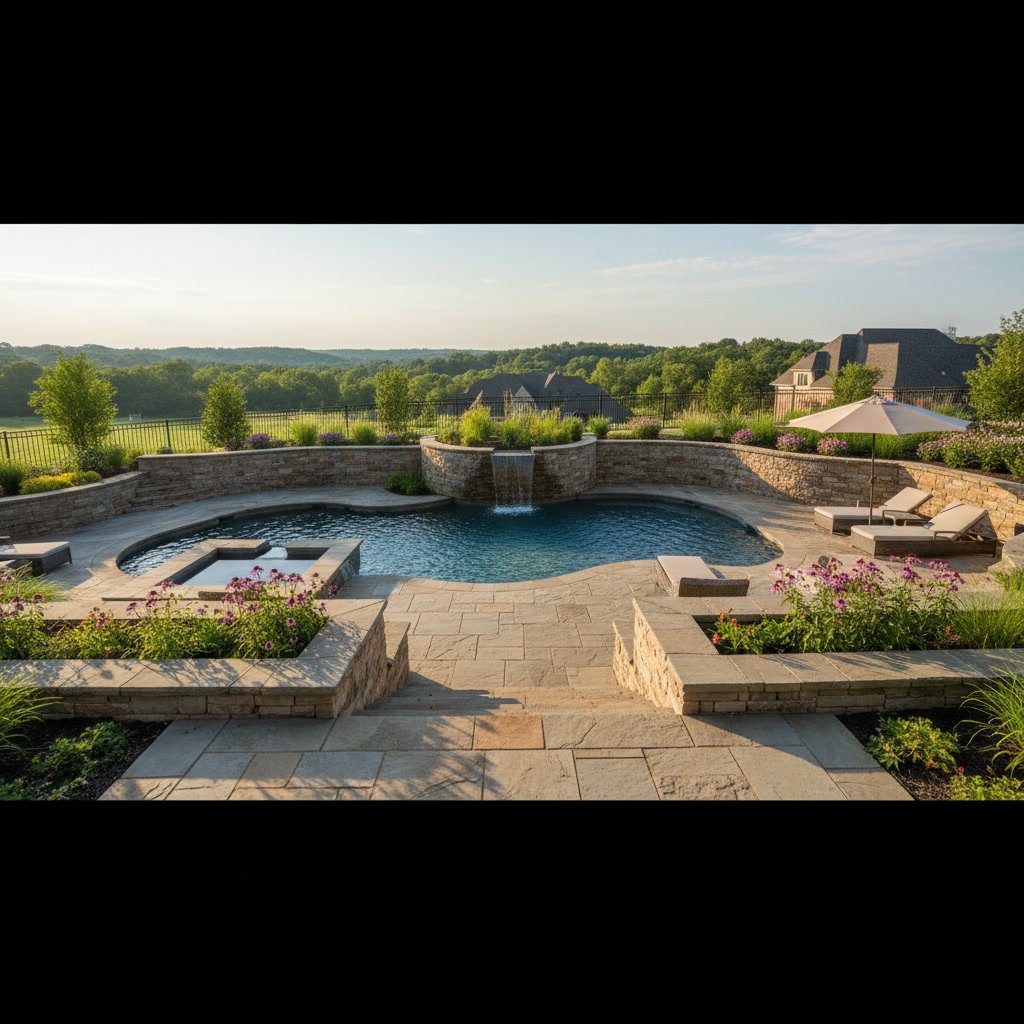
The first phase typically takes two to four weeks. During this period, you’ll work with your builder to finalize the pool design, select finishes, and plan additional features like water features or integrated spas. ICF pools offer nearly limitless design flexibility because the foam blocks can create any shape, including complex curves, beach entries, and multiple levels.
Engineering drawings must account for soil conditions, drainage patterns, and structural requirements specific to your property. In areas like Franklin, Tennessee and Brentwood, Tennessee, where properties often feature slopes and challenging terrain, this planning phase becomes especially important.
Permits and Approvals
Permit processing times vary by municipality throughout Greater Nashville. Most jurisdictions require two to three weeks for plan review and approval. Counties like Williamson and Rutherford have specific requirements for setbacks, fencing, and electrical installations that must be addressed before construction begins.
Your builder should handle all permit applications and inspections. Reputable contractors maintain relationships with local building departments and understand the specific requirements for each jurisdiction they serve.
Site Preparation
Once permits are approved, site preparation begins. This involves marking utility lines, establishing access routes for equipment, and protecting existing landscaping. Excavation equipment needs clear pathways, and in established neighborhoods throughout Mt. Juliet, Tennessee or Hendersonville, Tennessee, this might require temporary fencing or driveway protection.
Site prep typically takes one to three days depending on property access and the complexity of your landscape.
Phase Two: Excavation and Foundation Work
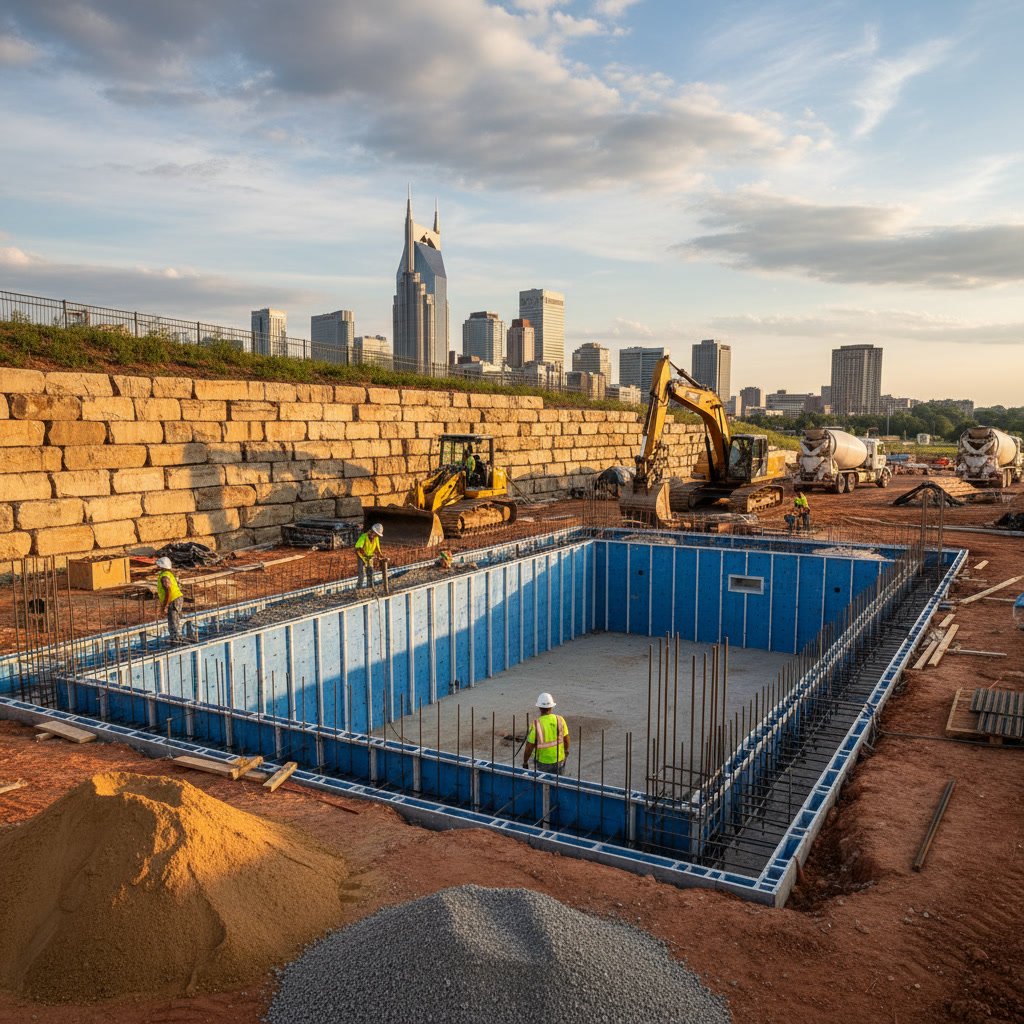
Excavation marks the most visible start to your project. Heavy equipment removes soil to create the hole for your pool, following the exact dimensions from your approved plans. The excavation depth extends below the finished pool floor to accommodate gravel base, plumbing, and the concrete footer.
Nashville’s soil composition varies significantly across the region. Clay-heavy soils in some areas require different handling than the rocky terrain common in others. Unexpected rock or groundwater can extend excavation time by several days. A skilled operator can typically complete excavation for a standard residential pool in one to two days under normal conditions.
After excavation, crews install the perimeter footer. This reinforced concrete foundation supports the ICF walls and distributes the pool’s weight evenly. The footer must cure for at least 24 to 48 hours before ICF block installation begins.
Plumbing lines are installed during this phase. Main drains, return lines, and suction lines are positioned according to the hydraulic design. These lines must be pressure-tested before any concrete work begins to ensure no leaks exist in the system.
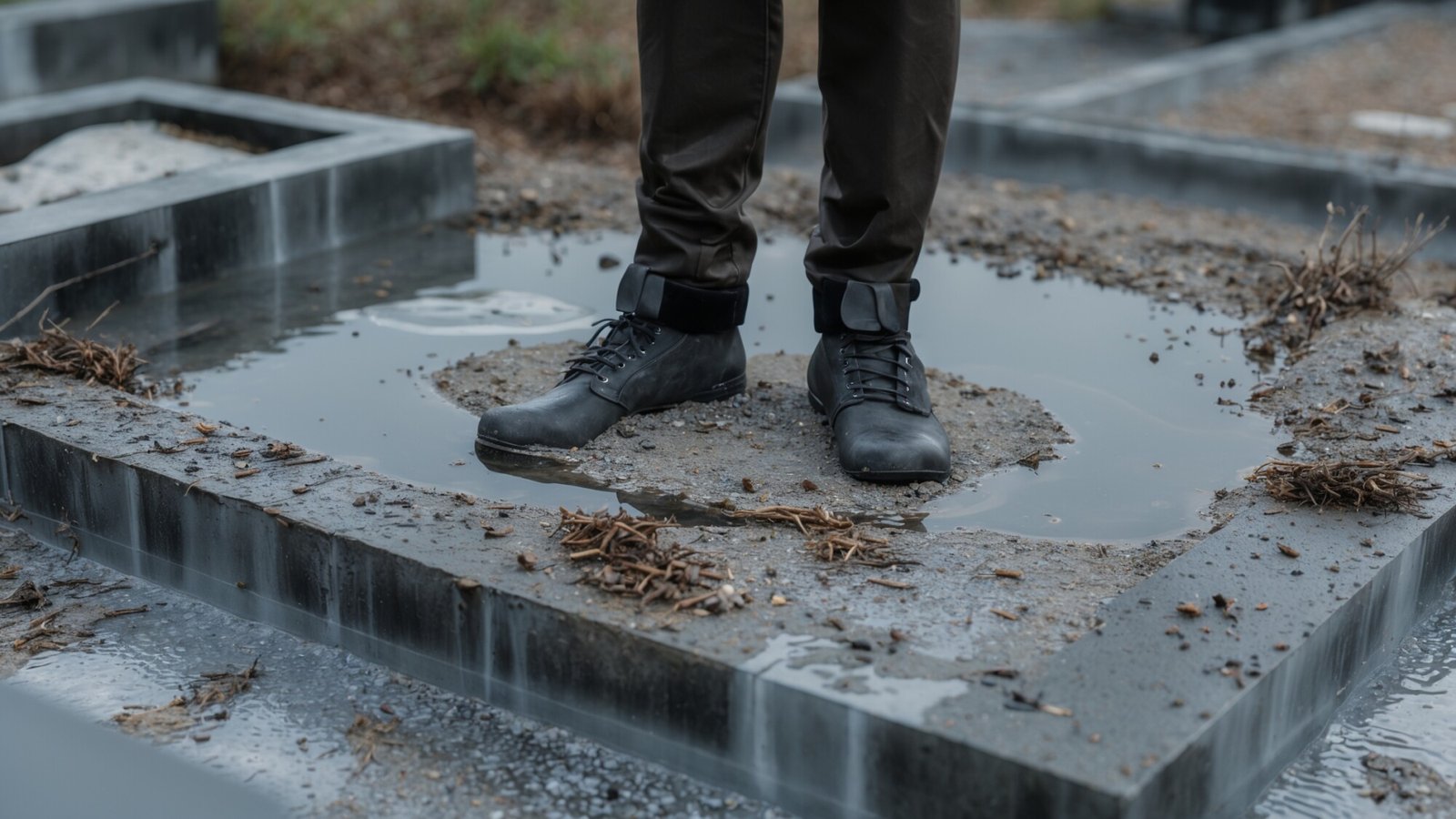
Pro Tip: Weather plays a significant role during excavation. Heavy rain can flood an excavated hole and delay work by several days while the site dries. Spring and fall in Nashville see the most precipitation, which is worth considering when planning your project start date.
Phase Three: ICF Block Installation and Steel Reinforcement
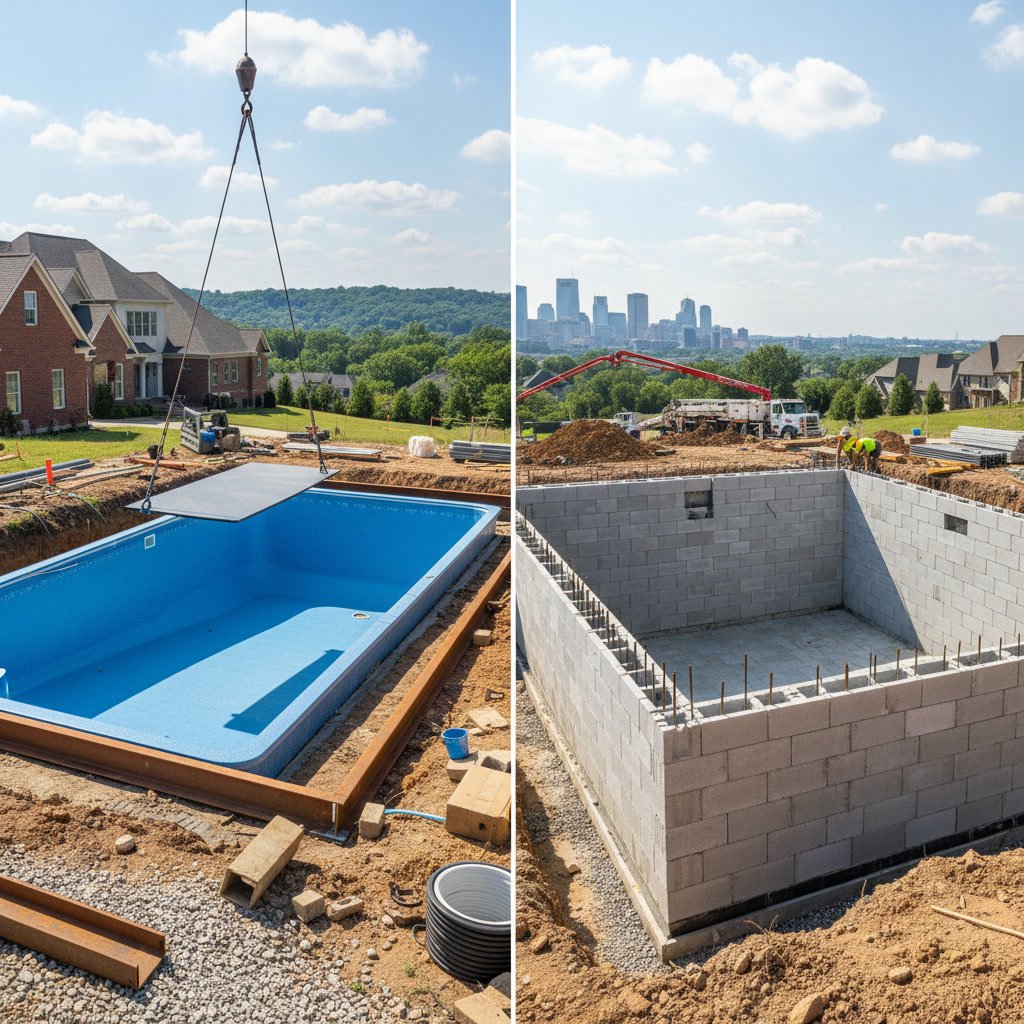
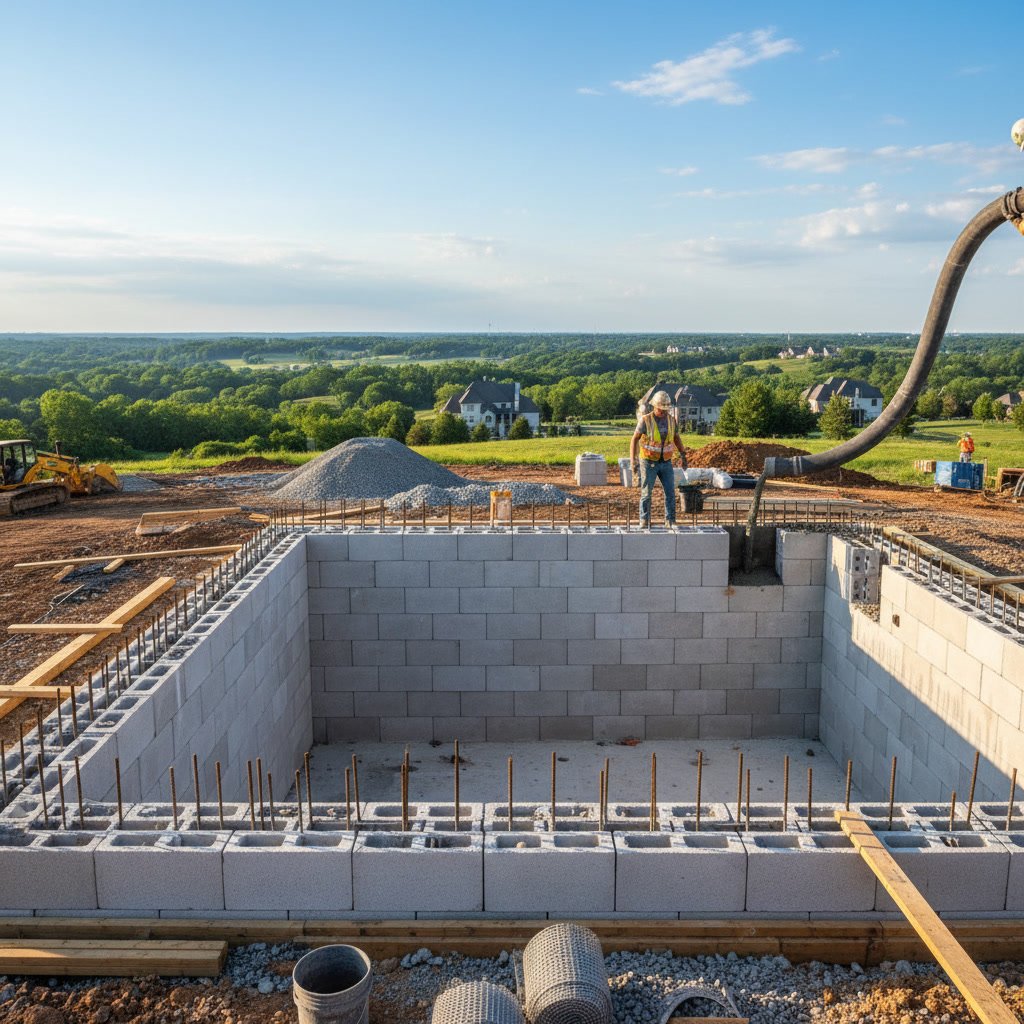
This phase defines the ICF pool construction timeline and showcases the unique advantages of this building method. Crews stack the interlocking foam blocks to form the pool walls, creating a double-insulated cavity that will contain the structural concrete.
The blocks connect with integrated locking mechanisms or ties, creating a stable structure before concrete placement. Installation proceeds in courses, similar to laying concrete blocks or bricks, but much faster because of the lightweight foam material and larger block dimensions.
For a typical residential pool, ICF block installation takes three to five days. Complex designs with curves, steps, or integrated features require additional time. The foam cuts easily with handsaws, allowing crews to create custom angles and shapes that would be difficult or impossible with traditional forming methods.
Steel reinforcement is critical for structural integrity. Horizontal and vertical rebar threads through the block channels, creating a cage that distributes loads throughout the entire structure. The amount and placement of steel depends on engineering specifications, which account for soil pressure, water weight, and regional building codes.
This reinforcement pattern gives ICF pools exceptional strength. The combination of steel, concrete, and foam creates a monolithic structure that resists cracking and movement better than many traditional pool construction methods, as explained in our comparison of concrete vs vinyl pools.
Phase Four: Concrete Placement and Curing
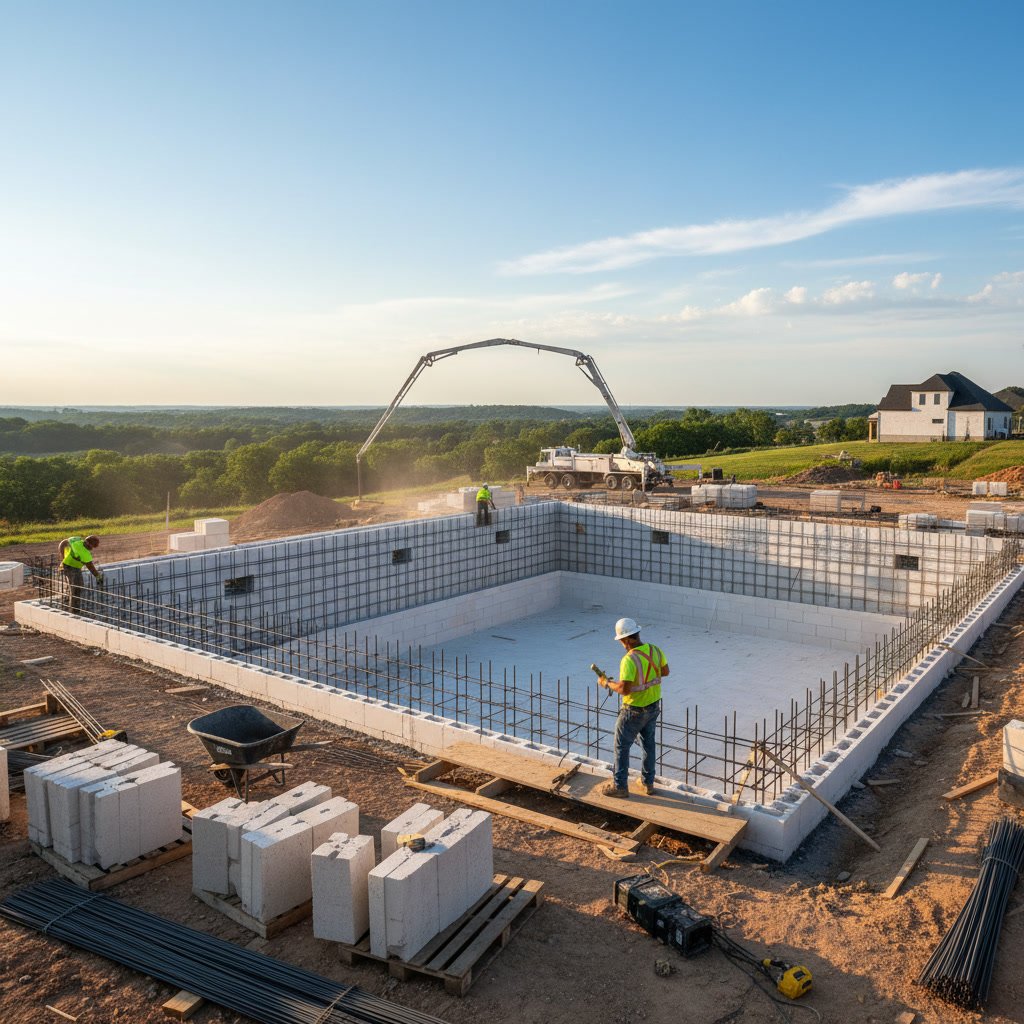
Concrete placement is one of the most critical phases in the ICF pool construction timeline. Unlike gunite pools where concrete is sprayed onto rebar and forms, ICF pools use poured concrete that fills the cavities within the foam blocks.
The concrete pour typically happens in stages. Walls are filled first, with concrete pumped from a truck through hoses that reach into the block cavities. Crews work systematically to ensure even filling without voids or air pockets. Wall pours for residential pools usually complete in four to six hours.
The pool floor follows after the walls cure. Floor thickness typically ranges from four to six inches, depending on engineering requirements. The floor concrete ties into the wall structure, creating a seamless bond between vertical and horizontal surfaces.
Proper curing is essential for strength and durability. Concrete reaches about 70% of its ultimate strength in seven days but continues curing for weeks afterward. Most builders wait at least seven to ten days after the final pour before proceeding with interior finish work.
Temperature affects curing time. Cold weather slows the process, while hot weather can cause rapid drying that requires additional water application to prevent cracking. Nashville’s moderate climate generally provides good curing conditions, though summer heat sometimes requires special attention to keep concrete properly hydrated.
Phase Five: Plumbing, Electrical, and Equipment Installation
While the shell cures, work continues on mechanical systems. Equipment pads are poured to support pumps, filters, heaters, and other machinery. These pads must be level and sized according to equipment specifications and local code requirements.
Licensed electricians run conduit and wiring for pool equipment, lights, and any additional features. Electrical work must pass inspection before backfilling or decking begins. Most jurisdictions require GFCI protection on all pool circuits and bonding of all metal components within five feet of the water.
Pool equipment selection affects operating costs for years to come. Variable-speed pumps, LED lighting, and efficient heaters add upfront cost but significantly reduce monthly expenses. The superior insulation of ICF pools pairs especially well with heat pumps or solar heating systems because less energy is required to maintain comfortable water temperatures.
This phase typically requires one to two weeks, including inspections. Coordination with electricians and plumbers can affect the schedule, particularly during busy construction seasons when trades are in high demand across Greater Nashville.
Phase Six: Interior Finish Installation
The interior finish you select determines both appearance and the timeline for this phase. Common options include plaster, pebble finishes, or tile. Each has different installation requirements and curing periods.
Plaster Finishes
Traditional plaster is the most economical option. Application takes one day, and the pool can typically be filled immediately after finishing. However, plaster requires careful chemical balancing during the first month to properly cure the surface.
Pebble and Aggregate Finishes
Pebble finishes offer enhanced durability and texture. Installation takes one to two days, and these finishes also require immediate filling followed by careful startup procedures. The exposed aggregate surface is more resistant to staining and chemical damage than standard plaster.
Tile Finishes
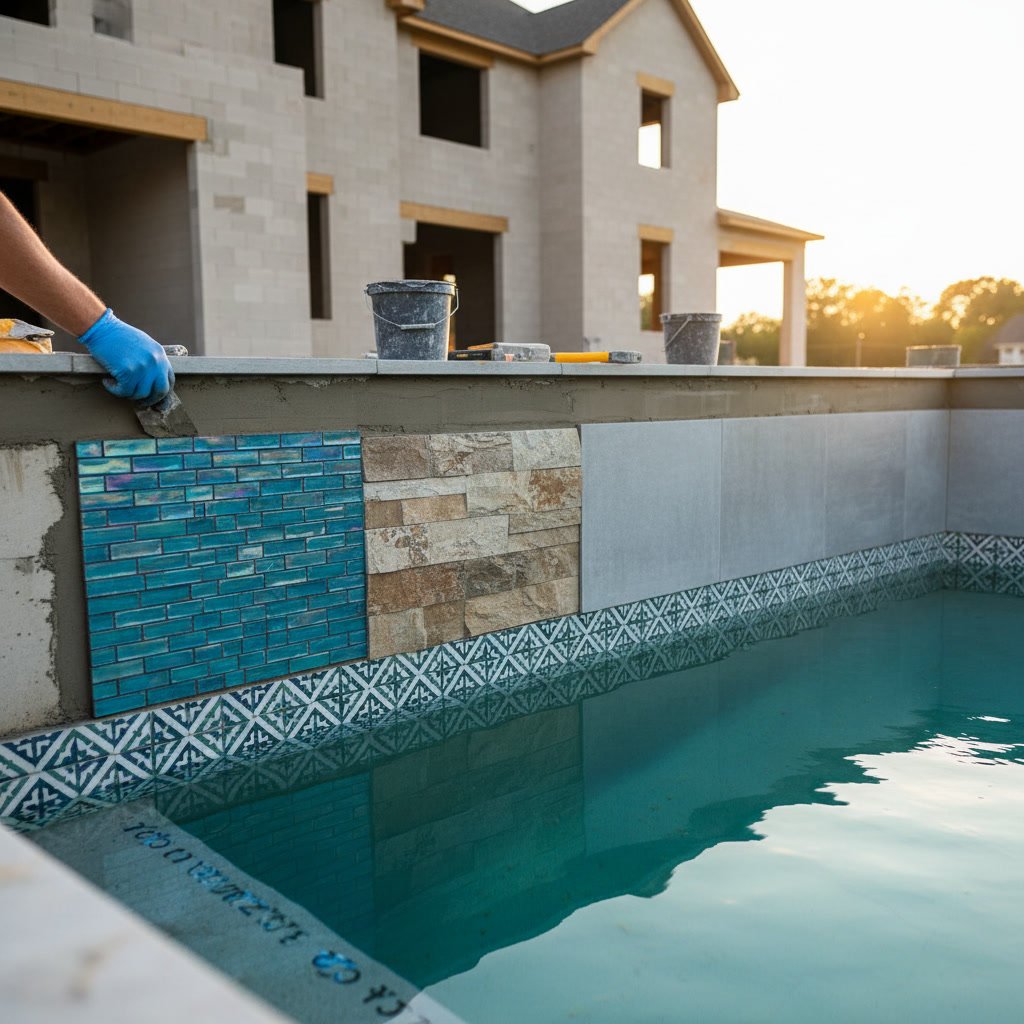
Full tile interiors provide the longest lifespan and easiest maintenance but require the most installation time. Tile work can take one to three weeks depending on the complexity of patterns and the pool size. The waterproof substrate must cure before tile installation begins, and grout requires additional curing time before filling.
Many pool owners combine materials, using tile for waterline and steps while finishing the main basin with plaster or pebble. This approach balances aesthetics, durability, and cost while reducing overall installation time.
Key Takeaway: Interior finish selection significantly impacts your timeline and budget. Discuss the maintenance requirements and expected lifespan of each option with your builder. The most expensive finish isn’t always the best choice for every situation, but cutting costs on interior finish often leads to higher long-term maintenance expenses.
Phase Seven: Backfilling, Decking, and Final Details
Backfilling replaces soil around the pool shell, providing lateral support and establishing final grade. This work must be done carefully to avoid damaging plumbing lines or shifting the structure. Soil is typically placed in layers and compacted to prevent future settling.
Backfilling usually takes one to two days, depending on the amount of material and access for equipment. In some cases, the excavated soil can be reused for backfill. Other situations require importing engineered fill material that compacts properly and drains well.
Decking installation follows backfilling. The deck surface you choose affects both timeline and the overall aesthetic of your backyard resort. Options include concrete, pavers, natural stone, and various decorative treatments. Our guide to patio materials for Nashville weather covers considerations that apply equally to pool decking.
Poured concrete decking takes two to four days including forming, pouring, and finishing. Decorative options like stamped or stained concrete may add time but create distinctive appearances that complement your home’s architecture.
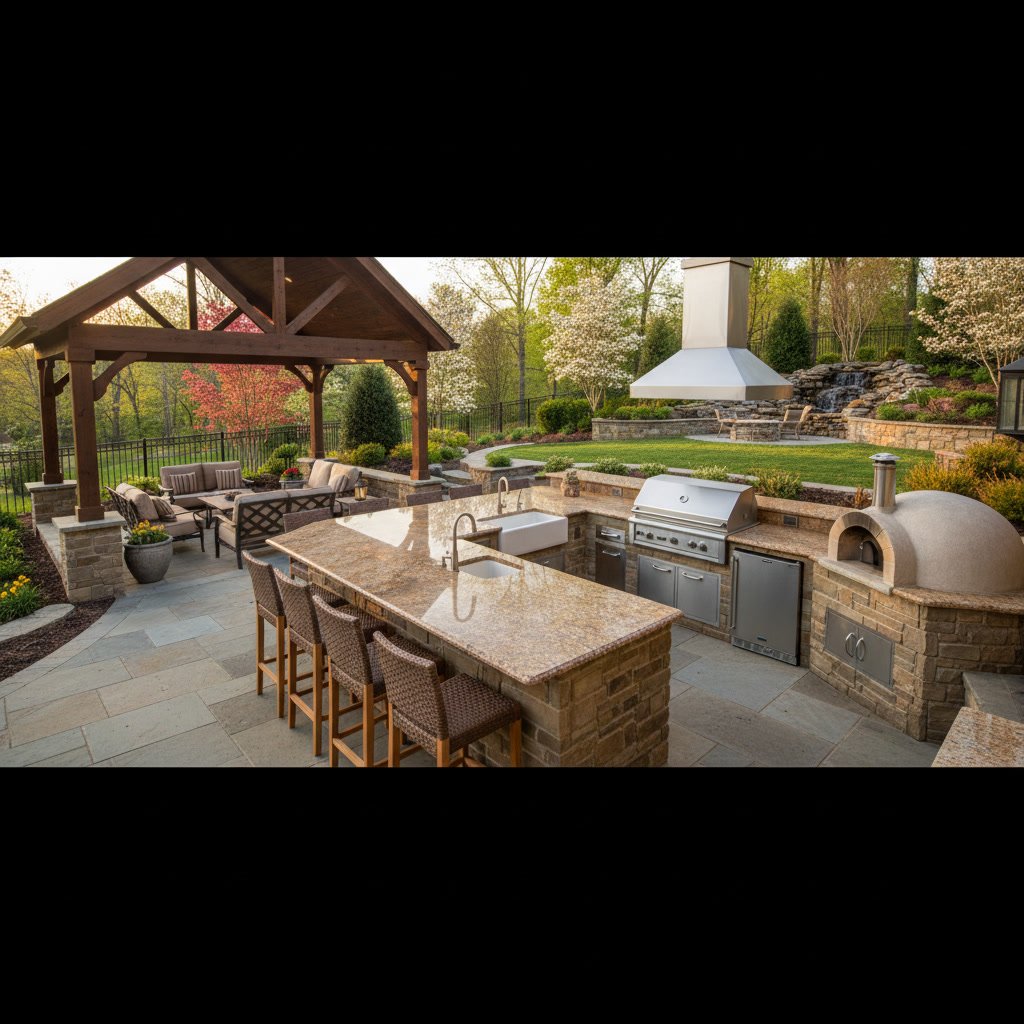
Paver and natural stone installations require longer timeframes, typically one to three weeks depending on pattern complexity and site conditions. These materials pair beautifully with ICF pools and can integrate with broader hardscape designs that include walkways, seating walls, or outdoor kitchens.
Final details during this phase include coping installation, fence construction if required by code, and any landscaping work that was displaced during construction. Gate locks, safety covers, and pool accessories are installed and tested.
Phase Eight: Startup, Inspection, and Handover
The pool is filled with water after interior finishes and decking are complete. Filling a residential pool takes 12 to 24 hours depending on water pressure and pool volume. Well water can extend this time, and some municipalities require permits for large water draws.
During filling, crews monitor the process to check for leaks or structural issues. Problems are far easier to address during this initial fill than after the pool has been in use.
Once full, equipment starts up and all systems are tested. This includes verifying proper flow rates, checking for leaks at fittings and seals, testing heaters and sanitizers, and confirming that automation systems function correctly. Initial chemical balancing establishes the baseline water chemistry.
Final inspections are scheduled once all work is complete. Inspectors verify that electrical, plumbing, and structural work meets code requirements and matches approved plans. Most jurisdictions require separate inspections for different trades, which can take several days to coordinate.
Your builder should provide comprehensive orientation to pool operation. This includes demonstrating equipment functions, explaining maintenance procedures, and reviewing safety features. Understanding your pool systems from the start prevents problems and helps you maintain optimal water quality.
Total Timeline: What to Expect from Start to Finish
The complete ICF pool construction timeline from initial consultation to finished pool typically spans 10 to 16 weeks under normal conditions. This breaks down approximately as follows:
- Design, engineering, and permits: 2-4 weeks
- Excavation and foundation: 3-5 days
- ICF installation and reinforcement: 3-5 days
- Concrete placement and initial cure: 7-10 days
- Plumbing and electrical: 1-2 weeks
- Interior finish installation: 1-3 weeks depending on material
- Backfilling and decking: 1-3 weeks depending on material
- Filling, startup, and inspections: 3-5 days
Several factors can extend or compress this timeline. Weather is the most common variable. Heavy rain halts concrete work and delays finish installation. Cold temperatures slow curing and may require special concrete admixtures or heating measures.
Supply chain issues occasionally delay specific materials or equipment. Custom tiles, special finishes, or unique water features may have longer lead times that should be factored into project planning. Discussing material selections early in the design phase helps identify potential delays before they affect the construction schedule.
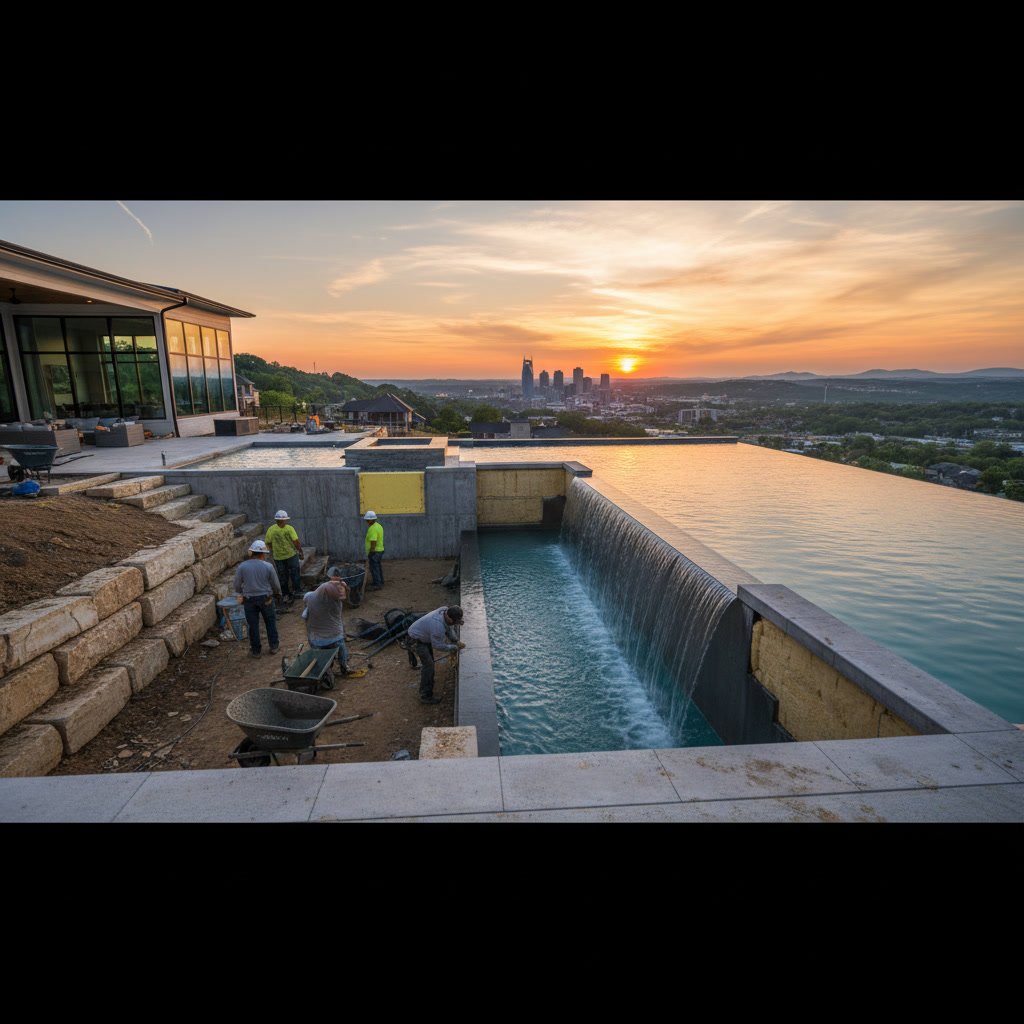
Site conditions also impact timing. Properties with difficult access, significant slopes, or high water tables require additional preparation and specialized techniques. If your property has challenging characteristics, the strategies discussed in our article about pools for sloped yards may apply to your situation.
Contractor workload affects scheduling too. Experienced builders who focus on quality over quantity, like Backyard Resort Pools INC, often have project schedules that book months in advance. Planning ahead ensures you secure the construction window that works best for your family.
Frequently Asked Questions
Can ICF pool construction happen during winter in Nashville?
ICF pool construction can proceed during mild winter periods, but concrete work requires temperatures above 40 degrees Fahrenheit for proper curing. Nashville’s winter weather is variable, with frequent warm spells that allow construction to continue. However, the risk of weather delays increases from December through February, which can extend the overall timeline.
How does the ICF pool timeline compare to fiberglass pool installation?
Fiberglass pools typically install faster, often completing in two to four weeks total. However, ICF pools offer greater design flexibility and can be built in sizes and shapes not available in fiberglass. The timeline difference reflects the custom nature of ICF construction versus the factory-manufactured fiberglass shell. You can learn more about timing and costs in our fiberglass pool cost guide.
What can delay an ICF pool construction project?
The most common delays include weather, permit processing, material availability, and unexpected site conditions like rock or high groundwater. Proper planning and experienced contractors minimize these delays, but some factors remain outside anyone’s control. Building contingency time into your expectations helps reduce frustration if delays occur.
Do I need to be home during ICF pool construction?
Your presence is not required during most construction phases, but you should be available for key milestones like initial layout confirmation, design changes, and final walkthrough. Daily access to your property is necessary for crews and equipment. Good builders maintain regular communication so you stay informed about progress without needing to supervise daily work.
When is the best time to start an ICF pool project in Nashville?
Spring and fall offer the most predictable construction conditions in Greater Nashville. Starting in March or April allows completion before summer, while September or October starts typically finish before winter weather becomes problematic. Summer construction is common but requires managing heat-related concrete curing issues. Winter projects are possible but carry higher weather-related delay risks.
Working with Experienced ICF Pool Builders
The ICF pool construction timeline requires careful coordination of multiple trades, materials, and inspections. Choosing a builder with specific ICF experience ensures your project proceeds efficiently and meets the high structural and finish standards these pools deserve.
Backyard Resort Pools INC has served Greater Nashville for over five decades, with owner Ernie Nagy personally overseeing each project from design through completion. This hands-on approach ensures quality control and direct communication throughout your pool construction timeline. The company serves homeowners throughout Murfreesboro, Tennessee, Lebanon, Tennessee, and surrounding communities with the same dedication to craft and customer service.
If you are considering an ICF pool for your Nashville-area property, understanding the construction timeline helps you plan appropriately and set realistic expectations. The investment in time and resources yields a pool structure with exceptional longevity, energy efficiency, and design flexibility that enhances your property for decades.
Contact Backyard Resort Pools INC at +16159441612 to discuss your project timeline and explore how an ICF pool can transform your backyard into a true resort destination.