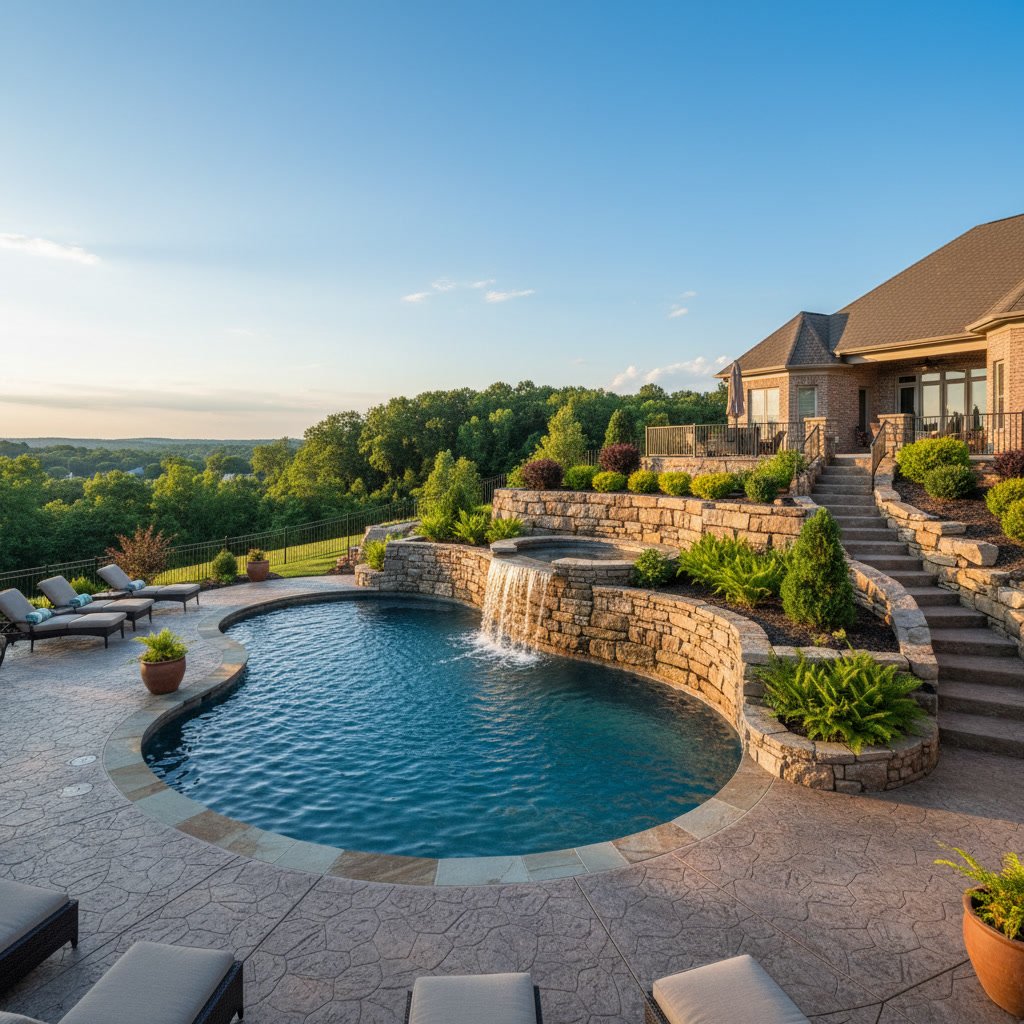
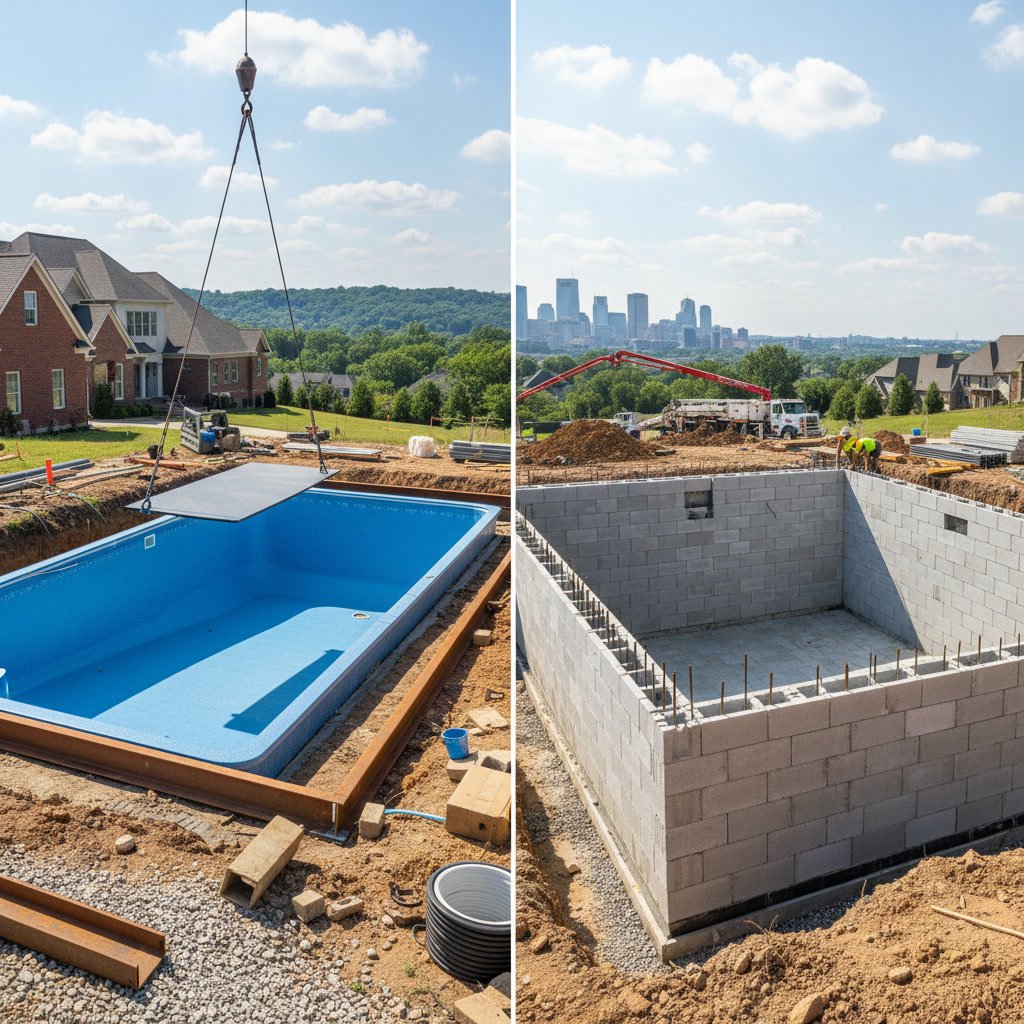
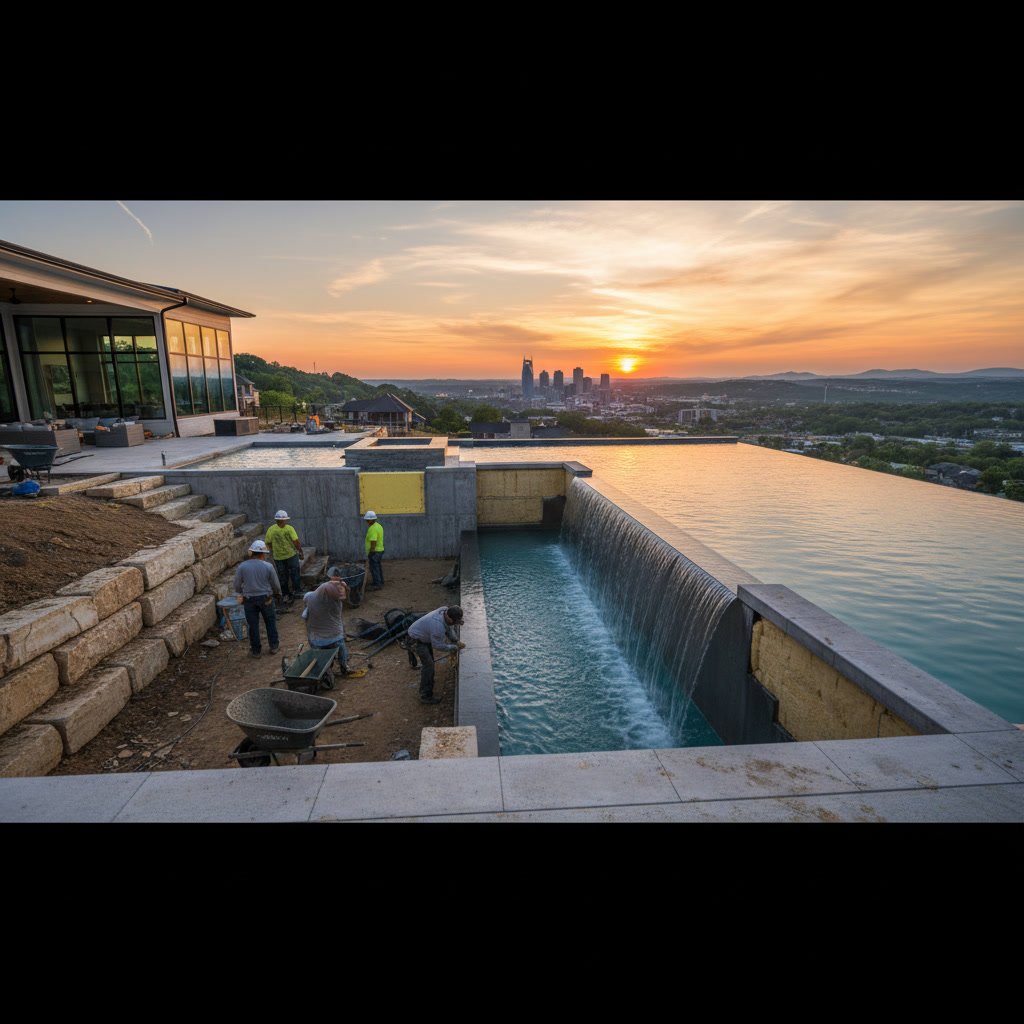
Nashville’s signature rolling hills create stunning landscapes, but they also present real challenges for homeowners dealing with sloped yards. Erosion, drainage issues, and unusable outdoor space are common problems that the right retaining wall can solve. Choosing the best retaining wall materials Nashville homeowners can rely on means understanding how each option performs in Middle Tennessee’s unique climate, soil conditions, and aesthetic requirements.
This guide breaks down the most popular retaining wall materials available in the Nashville area, comparing durability, cost, installation requirements, and long-term maintenance. Whether you’re planning a small garden terrace or a major slope stabilization project, you’ll find the practical information you need to make an informed decision.
Why Nashville Yards Need Specialized Retaining Wall Solutions
Middle Tennessee’s geography creates specific challenges that influence which retaining wall materials perform best. The region sits on a mix of limestone bedrock and clay soil, which expands and contracts with moisture changes throughout the year.
Nashville receives an average of 47 inches of rainfall annually, concentrated in spring and winter months. This heavy precipitation creates hydrostatic pressure behind retaining walls, making proper drainage absolutely critical. Walls without adequate drainage systems can fail within just a few years, regardless of the material used.
Temperature fluctuations also matter. Nashville experiences freeze-thaw cycles during winter that can damage certain materials. Walls need to withstand temperatures ranging from the low teens in January to the upper 90s in July, plus humidity levels that regularly exceed 70 percent in summer months.
The rolling terrain in areas like Brentwood and Franklin means many properties require walls ranging from three to eight feet tall. Height directly affects material selection, as taller walls demand greater structural strength and often require engineering approval.

Natural Stone Retaining Walls
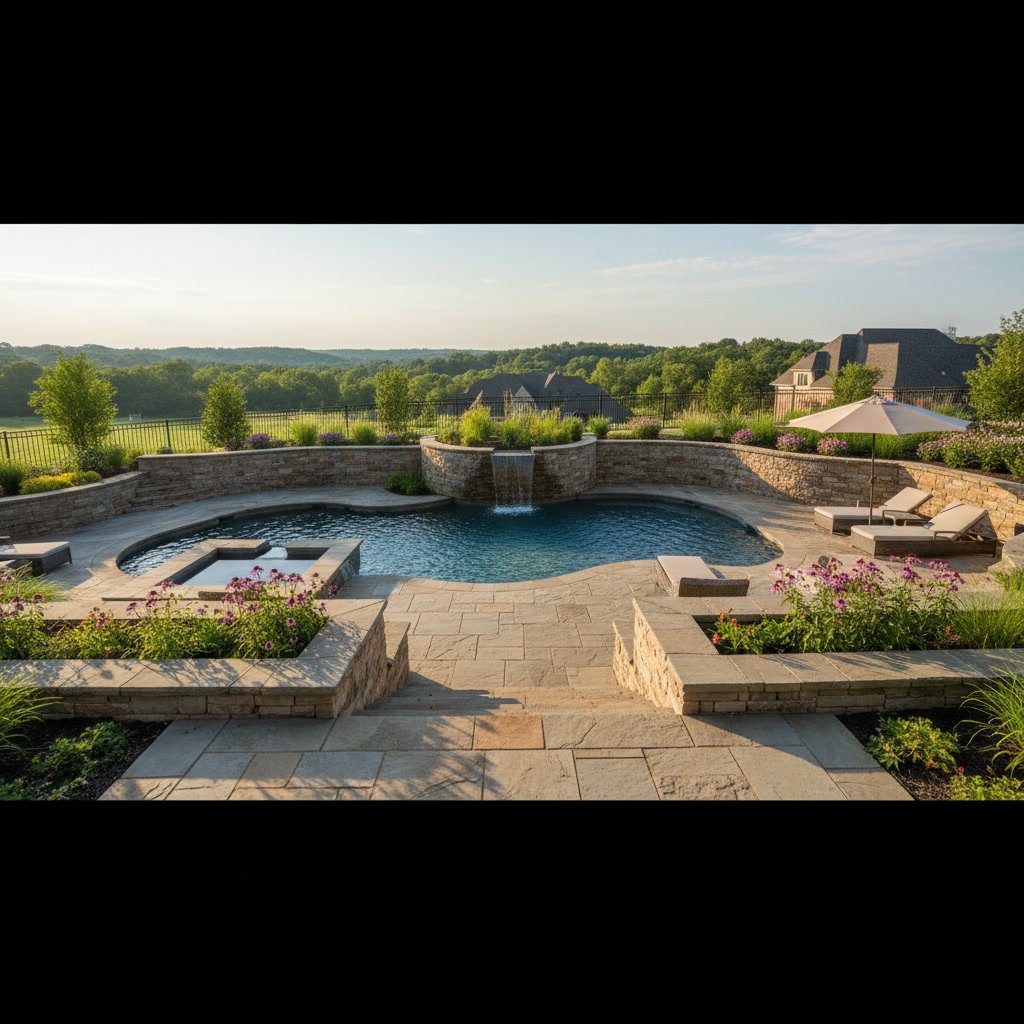
Natural stone remains the premium choice among retaining wall materials Nashville landscapers and homeowners request most often. Tennessee fieldstone, limestone, and sandstone create timeless aesthetics that complement both historic and contemporary homes.
Advantages of Natural Stone
Stone walls offer unmatched durability when properly installed. A well-built stone retaining wall can last 50 to 100 years with minimal maintenance. The material naturally resists Tennessee’s freeze-thaw cycles and won’t rot, rust, or degrade from UV exposure.
The aesthetic value is exceptional. Natural stone provides texture, color variation, and character that manufactured materials struggle to replicate. Each wall becomes unique, and the material actually improves in appearance as it weathers and develops patina over time.
Stone also offers flexibility in design. Dry-stacked walls work well for heights under four feet, while mortared installations can reach eight feet or more. The irregular shapes allow for curved designs that follow property contours naturally.
Considerations and Costs
Natural stone represents the highest upfront investment among common retaining wall materials. Expect costs ranging from $25 to $75 per square foot installed, depending on stone type, wall height, and site accessibility.
Installation requires skilled craftsmanship. Proper technique matters significantly for structural integrity and longevity. Walls over four feet typically require professional engineering and may need permits in most Nashville-area municipalities.
The weight of stone demands solid footings and base preparation. Sites with poor soil conditions may require additional excavation and gravel base materials, adding to total project costs.
Concrete Block and Segmental Retaining Wall Systems
Engineered concrete block systems have become increasingly popular as retaining wall materials Nashville contractors recommend for their balance of performance, cost, and installation efficiency.
These manufactured blocks interlock through pins, lips, or their own weight, creating gravity walls that resist soil pressure through mass and setback angle. Premium brands offer extensive color and texture options that mimic natural stone at a fraction of the cost.
Performance and Durability
Quality concrete blocks withstand Nashville’s climate extremely well. Properly installed systems easily last 50 to 75 years. The concrete resists moisture, won’t rot, and handles freeze-thaw cycles effectively when manufactured to appropriate standards.
Most systems include built-in drainage features. Hollow cores, perforated blocks, or gaps between units allow water to escape, reducing hydrostatic pressure. This engineered drainage gives concrete blocks an advantage over solid materials that trap water.
Installation is relatively straightforward compared to natural stone, though still requires proper base preparation and alignment. Many systems come with manufacturer guidelines and warranties when installed according to specifications.
Cost Comparison
Concrete block systems typically cost $15 to $40 per square foot installed. The wide range reflects differences in block quality, wall height, site conditions, and aesthetic features like textured faces or color blending.
Basic utility blocks start at the lower end of this range, while premium architectural blocks with natural stone textures approach the higher end. Even premium concrete blocks usually cost 30 to 40 percent less than comparable natural stone installations.
These systems integrate well with other hardscapes elements, creating cohesive outdoor designs when combined with patios, walkways, and pool surrounds.

Poured Concrete Retaining Walls
Poured concrete walls offer maximum strength for challenging sites. When you need to retain significant height or deal with especially difficult soil conditions, reinforced concrete may be the only viable option among retaining wall materials Nashville engineers will approve.
These walls require forming, steel reinforcement, and concrete placement. The process is more involved than block or stone installation, but the result is a monolithic structure with exceptional load-bearing capacity.
When to Choose Poured Concrete
Poured concrete makes sense for walls exceeding eight feet in height. The continuous reinforced structure handles the extreme lateral pressure better than stacked materials.
Sites with poor soil conditions, high water tables, or limited space for setback also benefit from poured concrete. The walls can be built relatively thin compared to gravity-style walls, saving yard space.
Commercial applications and properties requiring specific engineering certifications often specify poured concrete for liability and performance reasons.
Aesthetic and Cost Factors
Plain poured concrete offers limited aesthetic appeal, but finishing options can improve appearance significantly. Stamping, staining, veneering with stone or brick, or applying textured coatings transform the basic concrete surface.
Costs range from $40 to $100 per square foot installed, depending on height, reinforcement requirements, forming complexity, and finishes. Engineering fees, permits, and site preparation can add substantially to base costs.
Poured concrete works particularly well when integrated with other concrete features. Properties planning concrete pools or extensive patio areas can create unified designs using consistent materials and finishes.
Timber Retaining Walls
Pressure-treated lumber and railroad ties were once common retaining wall materials, but they’ve fallen out of favor for several important reasons. Understanding timber’s limitations helps explain why stone and concrete dominate professional installations in the Nashville area.
Wood naturally degrades when in constant contact with soil and moisture. Even pressure-treated lumber rated for ground contact typically lasts only 15 to 25 years in retaining wall applications. Railroad ties, while initially cheap, often contain creosote that can leach into soil and are increasingly difficult to source.
Timber walls work acceptably for low garden terraces under three feet tall where longevity is less critical. The material is easy to cut and shape, making it suitable for curved designs and DIY projects with modest budgets.
Costs run $10 to $25 per square foot for timber walls, making them the most affordable option initially. However, when you factor in the shorter lifespan, the long-term cost per year often exceeds more durable materials.
Pro Tip: If considering timber for budget reasons, compare the 20-year total cost of ownership rather than just upfront expense. A concrete block wall that lasts three times longer often proves more economical despite higher initial investment.
Brick Retaining Walls
Brick creates beautiful retaining walls that complement traditional architecture common throughout Nashville’s established neighborhoods. As retaining wall materials Nashville homeowners choose for aesthetic reasons, brick offers a classic appearance that ages gracefully.
Properly installed brick walls require concrete footings and often include a poured concrete core for structural support on taller installations. The brick serves as a veneer over the structural wall, providing the finished appearance.
Durability is excellent when quality materials and proper construction techniques are used. Brick walls easily last 50 years or more, though mortar joints may require repointing every 20 to 30 years depending on exposure and weather conditions.
Costs typically range from $30 to $60 per square foot installed. The higher expense reflects the skilled labor required and the structural support needed behind the brick face.
Brick integrates beautifully with home exteriors and other masonry features. Properties in areas like Hendersonville and Murfreesboro with traditional architecture often choose brick to maintain consistent design language across all landscape elements.

Critical Design Factors Beyond Material Choice
Selecting the right material is only part of building a successful retaining wall. Several design and construction factors determine whether your wall performs properly for decades or fails prematurely.
Drainage Systems
Proper drainage is non-negotiable regardless of which retaining wall materials you choose. Water buildup behind walls creates hydrostatic pressure that can cause failure even in the strongest structures.
Professional installations include perforated drain pipes behind the wall, gravel backfill to channel water, and weep holes or gaps to allow water escape. These drainage features typically add $3 to $8 per linear foot but prevent thousands in future repair costs.
Foundation and Base Preparation
Every retaining wall needs a solid foundation. Walls under four feet typically require a compacted gravel base at least six inches deep. Taller walls need concrete footings that extend below the frost line, approximately 12 inches deep in the Nashville area.
Poor base preparation is the leading cause of retaining wall failure. Skimping on foundation work to save money virtually guarantees problems within a few years as the wall settles unevenly or shifts forward.
Engineering and Permits
Most Nashville-area municipalities require permits for retaining walls over four feet tall. Walls near property lines, over slopes, or supporting significant loads may need engineering regardless of height.
Working with experienced professionals ensures compliance with local codes. Backyard Resort Pools Inc. has navigated permit requirements across Greater Nashville for over 50 years, understanding exactly what each jurisdiction requires.
Integration with Other Landscape Features
Retaining walls rarely exist in isolation. The best designs integrate walls with other outdoor features to create cohesive, functional spaces.
Properties combining walls with patios and pool installations benefit from coordinated planning. Material choices, elevations, and drainage need to work together rather than conflict.
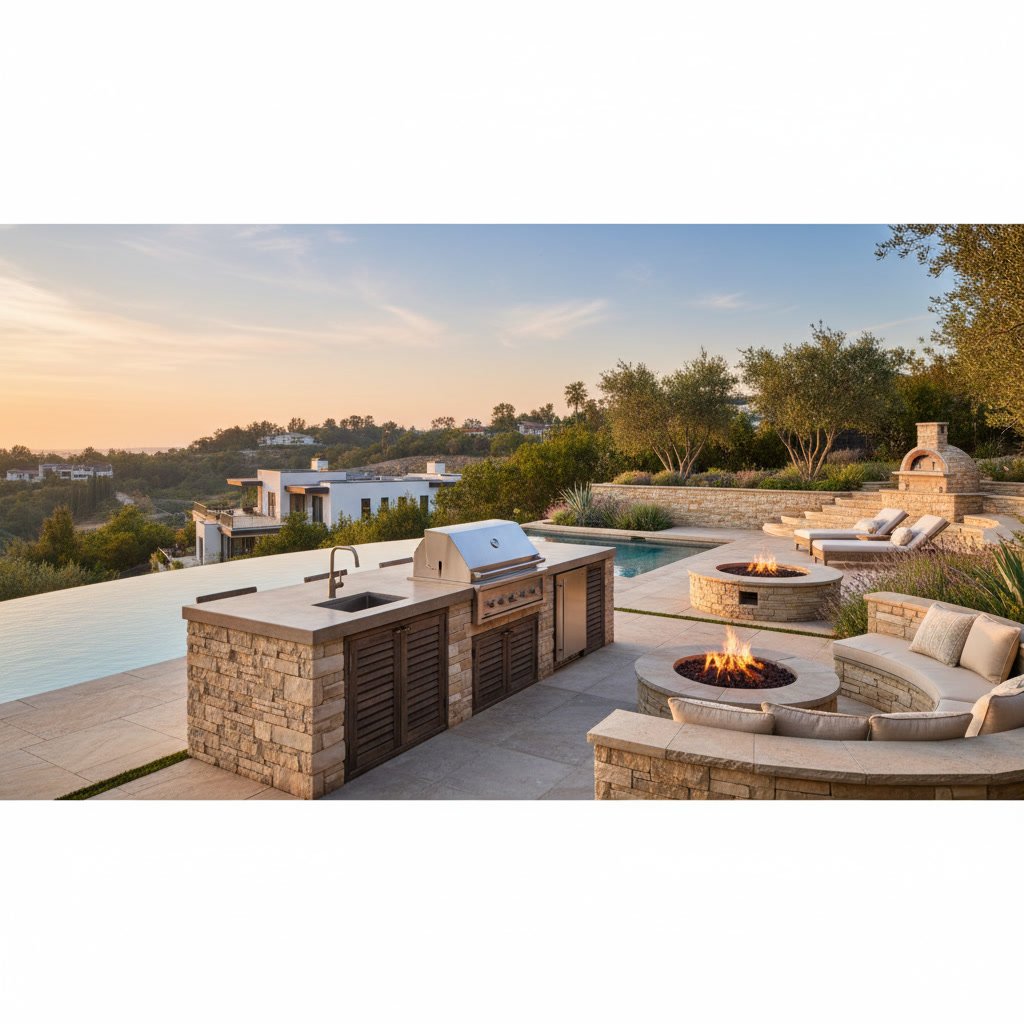
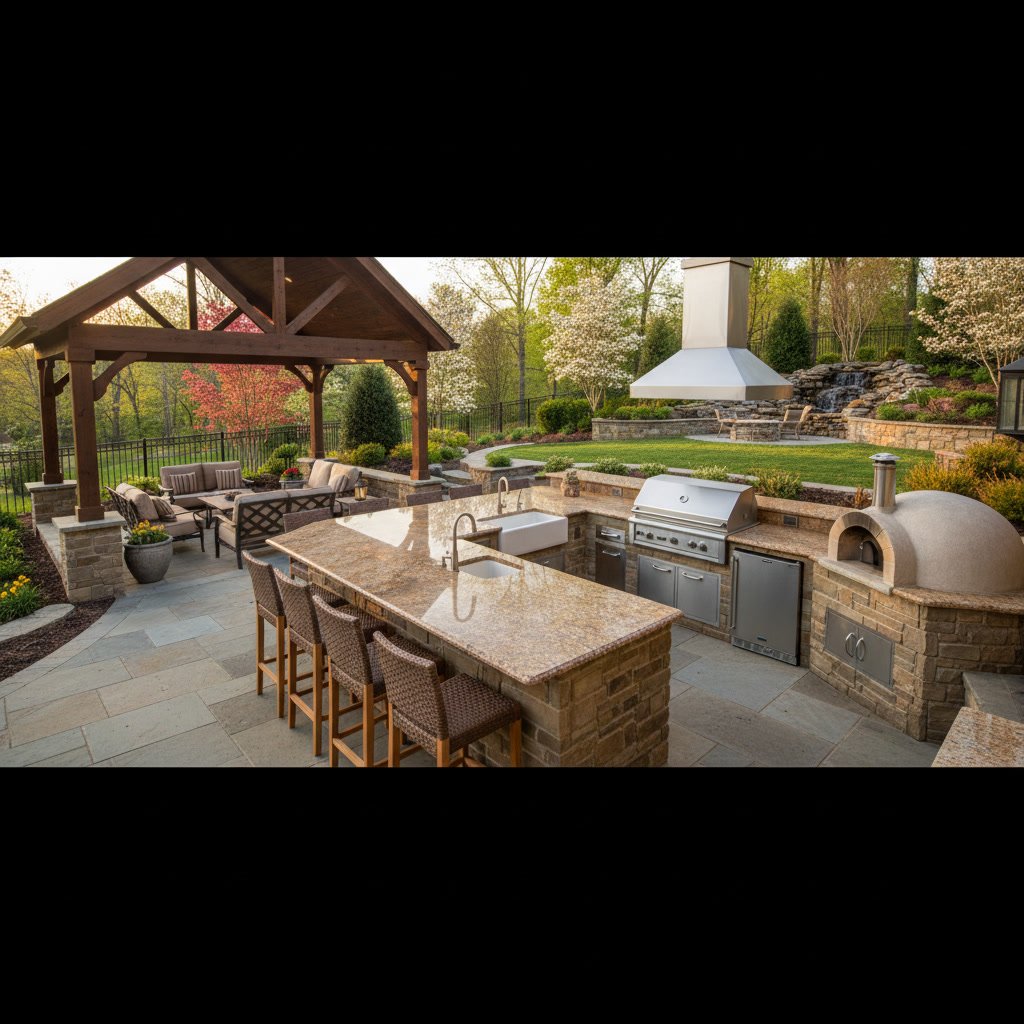
Outdoor living features like outdoor kitchens and water features can be incorporated into terrace designs created by retaining walls, maximizing usable space on sloped properties.
How to Choose the Right Material for Your Project
With multiple viable options among retaining wall materials Nashville contractors offer, how do you select the best choice for your specific situation? Consider these key factors in your decision process.
Wall height and structural requirements. Taller walls demand stronger materials and more robust construction. Walls under three feet have the most flexibility in material choice, while walls over six feet typically require engineered concrete or heavily reinforced stone.
Budget and long-term value. Calculate total cost of ownership rather than just installation expense. A material that costs 50 percent more but lasts twice as long delivers better value.
Aesthetic goals and home style. Choose materials that complement your home’s architecture and existing landscape features. A modern home might suit clean concrete blocks, while a traditional home benefits from natural stone or brick.
Site conditions and accessibility. Difficult sites with limited access for equipment may favor lighter materials like concrete blocks over heavy natural stone. Soil conditions and drainage requirements also influence material suitability.
Maintenance preferences. Some materials require virtually no maintenance while others need periodic attention. Consider your willingness to perform ongoing upkeep when selecting materials.
Key Takeaway: The best retaining wall material balances structural requirements, budget, aesthetics, and site conditions. There is no universally superior choice, only the right material for your specific project and priorities.
Frequently Asked Questions
What is the most cost-effective retaining wall material for Nashville yards?
Concrete block systems offer the best balance of initial cost, durability, and long-term value for most Nashville properties. While timber costs less upfront, concrete blocks last three to four times longer and require minimal maintenance. Expect to invest $15 to $40 per square foot installed for quality concrete block walls that will perform well for 50 years or more.
Do I need a permit to build a retaining wall in Nashville?
Most Nashville-area cities require permits for retaining walls over four feet in height measured from the bottom of the footing to the top of the wall. Walls near property lines, supporting structures, or in flood zones may require permits regardless of height. Requirements vary by municipality, so check with your local building department before starting construction.
How long do different retaining wall materials last in Middle Tennessee?
Natural stone and quality concrete walls typically last 50 to 100 years with proper installation and drainage. Brick walls last 50 years or more but may need mortar repointing every 20 to 30 years. Pressure-treated timber walls last 15 to 25 years. Actual lifespan depends heavily on installation quality, drainage systems, and site conditions rather than material alone.
Can retaining walls be built in winter in Nashville?
Most retaining wall construction can proceed during Nashville’s mild winters, though concrete work requires temperatures above 40 degrees for proper curing. Dry-stacked stone and block installations can continue in cold weather as long as the ground is not frozen. Spring and fall offer ideal conditions with moderate temperatures and lower rainfall, making excavation and base preparation easier.
Should I match my retaining wall material to my pool deck or patio?
Coordinating materials creates visual cohesion, but exact matching is not required. Many successful designs use complementary rather than identical materials. For example, natural stone retaining walls pair beautifully with concrete pool decks when colors coordinate. The key is intentional design rather than coincidental material selection. Properties planning multiple features benefit from comprehensive planning that considers all elements together.
Building Retaining Walls That Last
Choosing among retaining wall materials Nashville contractors offer requires balancing structural needs, aesthetic preferences, and budget realities. Natural stone delivers unmatched beauty and longevity at premium cost, while concrete blocks provide excellent performance at moderate prices. Poured concrete handles the most demanding structural requirements, and brick creates timeless appeal for traditional homes.
The material itself represents only part of the equation. Proper drainage, solid foundations, and skilled installation determine whether your wall performs as intended for decades or requires expensive repairs within a few years.
Backyard Resort Pools Inc. has been building retaining walls across Greater Nashville for over 50 years. Owner Ernie Nagy personally oversees every project, ensuring the design, materials, and construction meet exacting standards. If your sloped yard needs professional retaining wall solutions, call +16159441612 to discuss your project and receive transparent pricing based on your specific site conditions and goals.