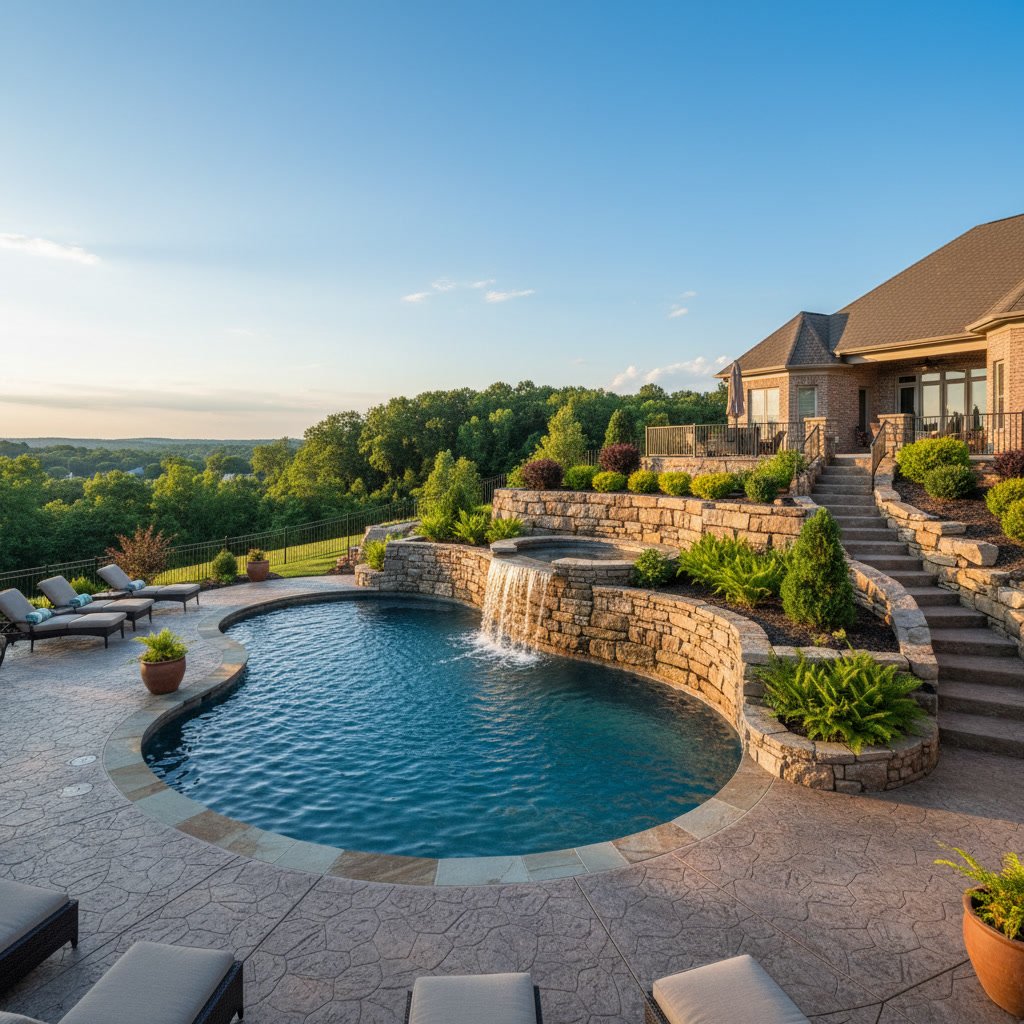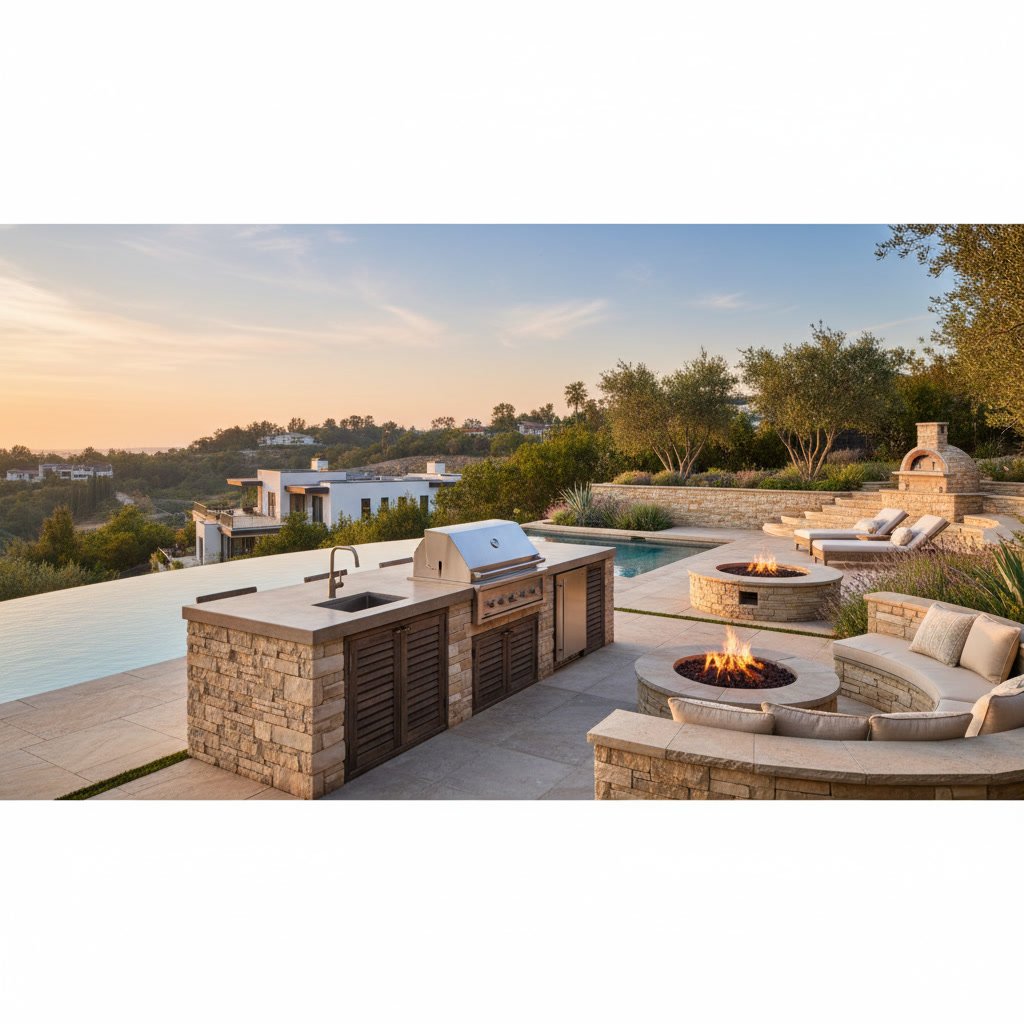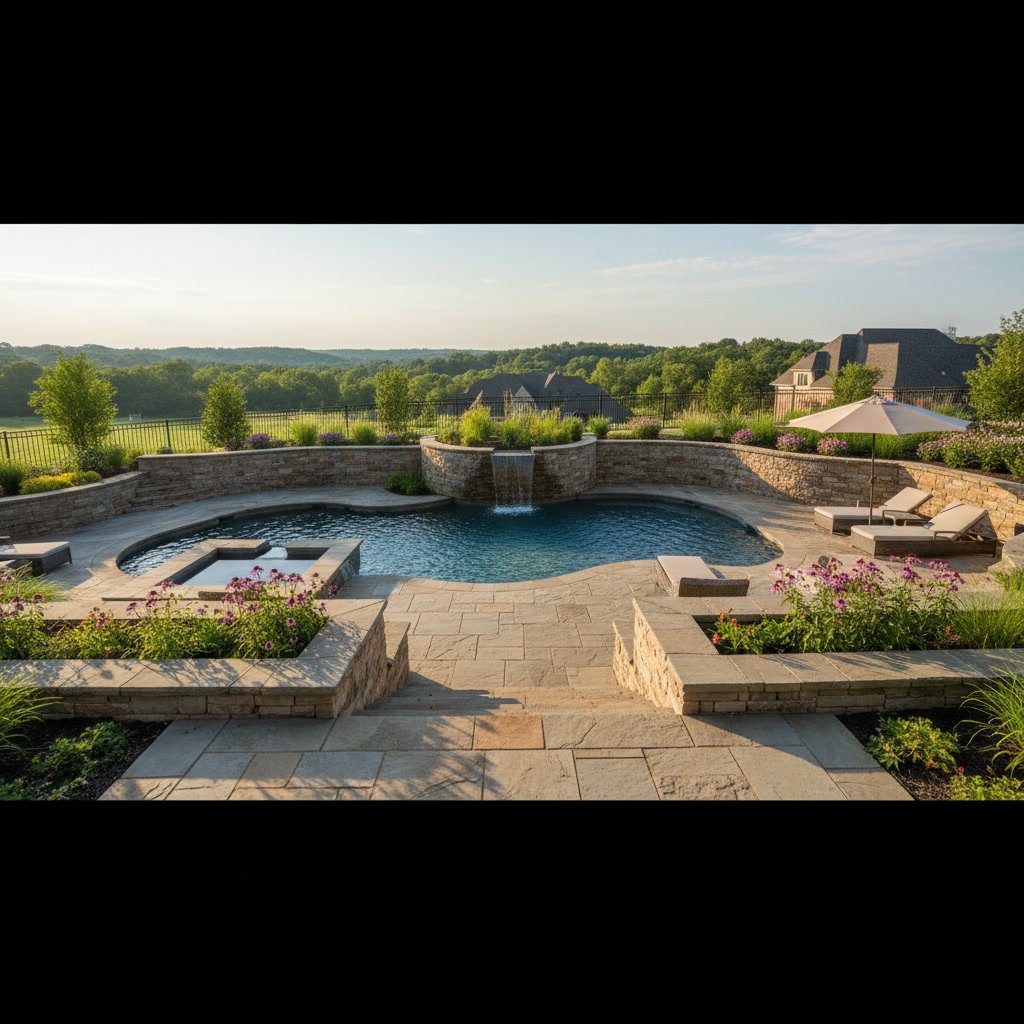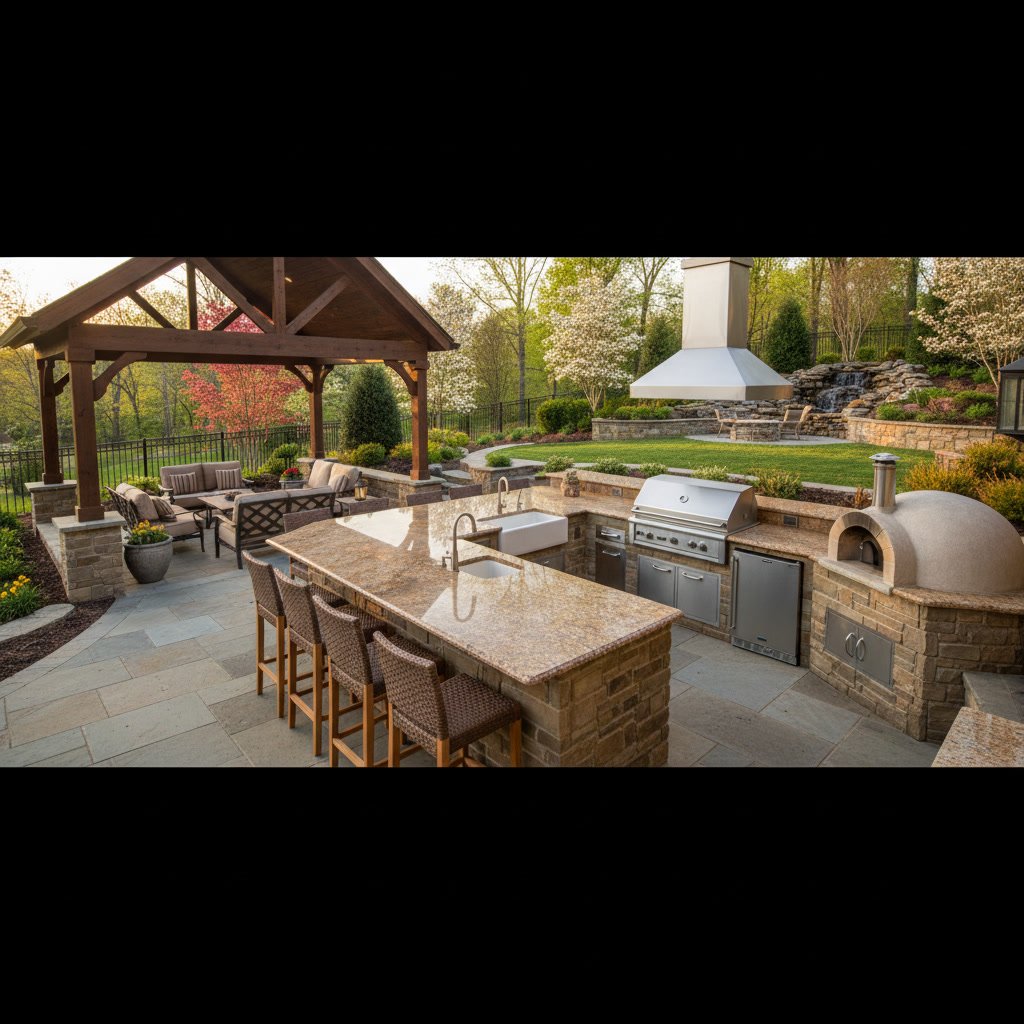
Nashville’s weather throws a unique combination of challenges at outdoor hardscapes. Winter brings freeze-thaw cycles that can crack inferior materials, while summer delivers humidity and heat that test UV resistance and moisture management. Choosing the best patio materials Nashville homeowners can rely on means understanding how each option responds to these seasonal extremes.
Your patio is an investment that should last decades, not just a few seasons. The wrong material choice leads to cracking, shifting, staining, and costly repairs. This guide walks through the top patio materials proven to handle Middle Tennessee’s climate, what makes each one durable, and which situations call for specific options.
Why Nashville Weather Demands Careful Material Selection
Middle Tennessee sits in USDA hardiness zone 6b to 7a, which means winter lows between 0 and 10 degrees Fahrenheit and summer highs regularly above 90. More importantly, the region experiences an average of 30 to 40 freeze-thaw cycles each winter.
A freeze-thaw cycle occurs when temperatures drop below 32 degrees at night and rise above freezing during the day. Water trapped in porous materials expands when it freezes, creating internal pressure. When it thaws, the material contracts. This repeated expansion and contraction cracks weak or improperly installed materials.
Nashville also receives about 48 inches of rain annually, distributed fairly evenly throughout the year. This constant moisture exposure means your patio material must handle water absorption without degrading, staining, or becoming slippery.
Concrete Pavers
Concrete pavers rank among the best patio materials Nashville installers recommend for freeze-thaw durability and design flexibility. High-quality pavers manufactured to ASTM C936 standards feature compressive strengths above 8,000 psi, making them significantly stronger than poured concrete.
The key advantage is their segmental design. Individual pavers can shift slightly with ground movement without cracking. Joints filled with polymeric sand allow drainage while preventing weed growth and insect intrusion.
Thickness and Density Matter
For residential patios, choose pavers at least 2.375 inches thick. Thinner pavers crack more easily under freeze-thaw stress. Density is equally important. Pavers with absorption rates below four percent resist water penetration that causes freeze damage.
Concrete pavers come in hundreds of colors, textures, and patterns. You can replicate natural stone looks at a fraction of the cost, or choose modern geometric designs. Quality pavers include UV-stable pigments that resist fading under Tennessee’s intense summer sun.
Pro Tip: Always install pavers over a proper base of four to six inches of compacted gravel, topped with one inch of bedding sand. Base preparation determines 80 percent of long-term patio performance.
Natural Stone
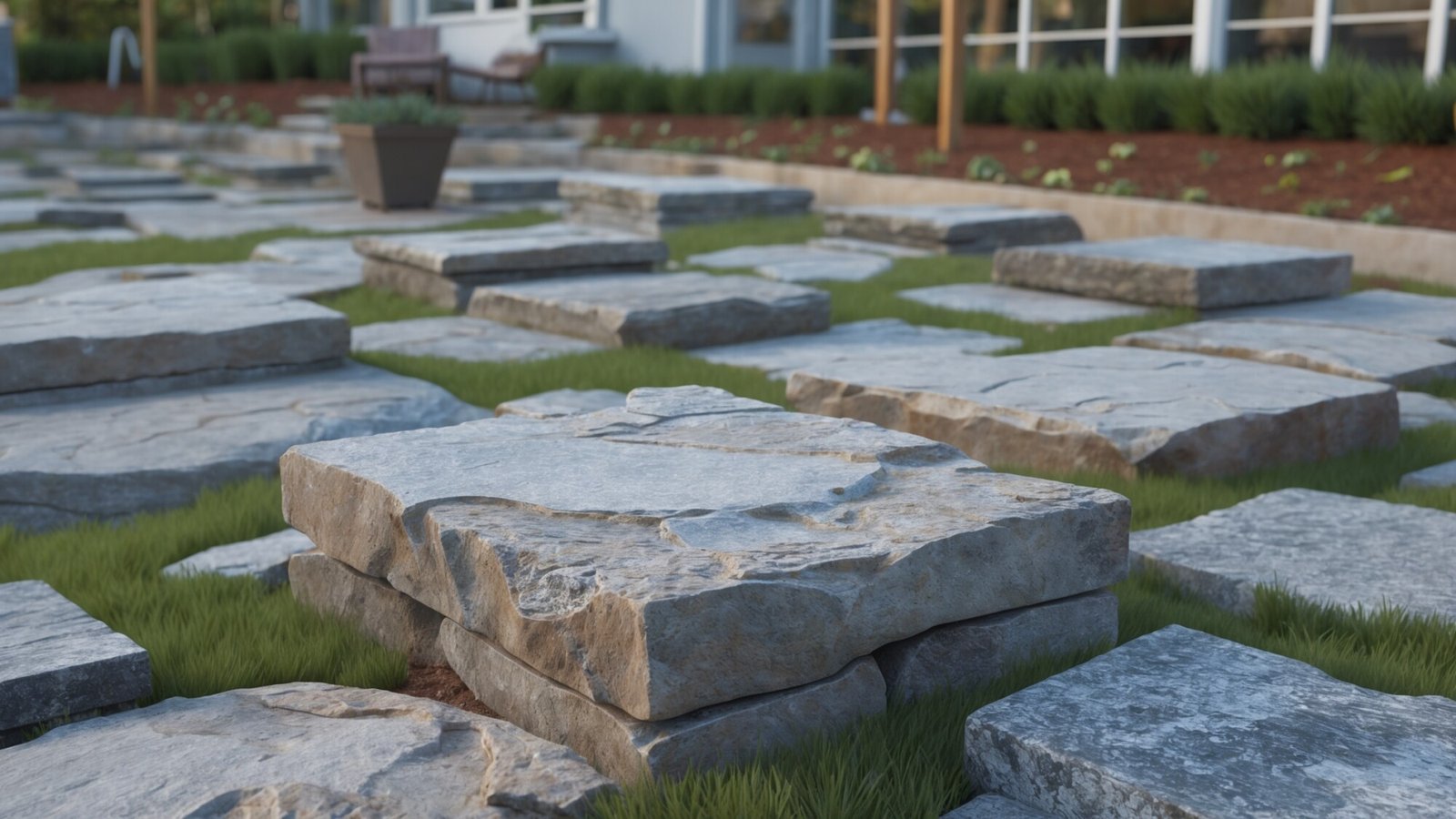
Natural stone offers unmatched beauty and, when properly selected, exceptional durability for Nashville’s climate. Not all stone performs equally in freeze-thaw conditions. The critical factor is absorption rate, measured as the percentage of water the stone absorbs relative to its dry weight.
Bluestone and Granite
Bluestone and granite feature absorption rates typically below one percent, making them highly resistant to freeze damage. Bluestone’s natural cleft surface provides excellent slip resistance even when wet. Granite offers similar durability with a wider range of colors from grays to reds and blacks.
Both materials handle Nashville’s temperature swings without cracking or spalling. Their density also resists staining from leaves, pollen, and other organic debris common in our region.
Flagstone Considerations
Flagstone encompasses various sedimentary stones including sandstone and limestone. While beautiful, these materials absorb more water than bluestone or granite. Absorption rates often range from two to six percent.
In Nashville, choose only flagstone rated for freeze-thaw applications. Applying a penetrating sealer every two to three years helps protect against moisture infiltration. Proper installation over a drainage base is non-negotiable with flagstone.
Natural stone typically costs 50 to 150 percent more than concrete pavers, but the investment delivers a truly one-of-a-kind appearance. No two stones are identical, creating visual interest that manufactured products cannot replicate.
Porcelain Pavers
Porcelain pavers represent newer technology gaining traction as one of the best patio materials Nashville designers specify for high-performance applications. Manufactured at temperatures exceeding 2,200 degrees Fahrenheit, porcelain pavers achieve nearly zero water absorption, typically below 0.5 percent.
This extreme density makes porcelain virtually immune to freeze-thaw damage. The material will not crack, chip, or spall from ice formation. Porcelain also resists staining from oils, wine, rust, and organic matter far better than natural stone or concrete.
Design Versatility
Modern porcelain pavers replicate wood, natural stone, concrete, and even fabric textures with remarkable accuracy. Digital printing technology creates realistic veining, color variation, and surface texture. You get the look of exotic materials without the maintenance headaches.
Porcelain comes in large format sizes, including 24×24 inches and even 12×48 inch plank formats. Fewer joints mean faster installation and a cleaner contemporary aesthetic that complements modern architecture common in areas like Brentwood and Franklin.
The material stays cooler underfoot than concrete or stone in summer heat because it reflects rather than absorbs solar radiation. This makes porcelain an excellent choice around pool areas where bare feet are common.
Cost runs similar to premium natural stone, but minimal maintenance requirements offset the initial investment. Porcelain never needs sealing and cleans easily with just water.
Stamped and Poured Concrete
Poured concrete remains popular for larger patio areas due to lower initial cost. Modern stamping techniques create patterns that mimic stone, brick, or tile. When properly installed with control joints and adequate reinforcement, concrete can last 20 to 30 years in Nashville’s climate.
The challenge with poured concrete lies in its monolithic nature. Unlike segmental pavers, concrete slabs cannot flex with minor ground movement. Cracks often develop within the first few years, especially if the base settles unevenly.
Critical Installation Factors
Concrete thickness should reach at least four inches for residential patios, with six inches preferred for areas near outdoor kitchens or heavy furniture. Reinforcement with rebar or welded wire fabric distributes stress and minimizes cracking.
Control joints must be cut every eight to ten feet in both directions to direct cracking to predetermined locations. These joints accommodate thermal expansion and contraction that occurs with seasonal temperature changes.
Air entrainment is essential for freeze-thaw resistance. The concrete mix should include five to eight percent entrained air, creating microscopic bubbles that give water room to expand when frozen. This single factor determines whether concrete survives or fails after multiple Nashville winters.
Stamped concrete requires resealing every two to three years to maintain color and protect the surface. Without proper maintenance, the finish degrades and moisture penetrates, leading to surface spalling where the top layer flakes off.
Key Takeaway: Poured concrete offers the lowest upfront cost but demands the most ongoing maintenance and accepts the highest long-term crack risk compared to segmental paver systems.
Travertine
Travertine delivers a Mediterranean aesthetic popular in upscale outdoor living spaces. This natural limestone forms around mineral springs, creating characteristic porous texture and warm earth tones ranging from ivory to rust.
The material’s porosity presents both advantages and challenges in Nashville’s climate. The surface stays relatively cool in summer because air pockets insulate against heat absorption. The natural texture provides good slip resistance.
However, absorption rates typically range from two to five percent, making travertine vulnerable to freeze-thaw damage if not properly sealed and maintained. Water that penetrates the stone’s pores can freeze, causing surface pitting and edge chipping.
Filled vs. Unfilled
Travertine comes in filled or unfilled formats. Filled travertine has factory-applied resin filling the natural pores, creating a smoother surface with better stain resistance. Unfilled travertine retains its natural texture but requires more frequent sealing.
For Nashville applications, filled travertine performs better. Plan to apply a penetrating sealer annually before winter to protect against freeze damage. This maintenance requirement exceeds that of denser stone options but remains manageable for homeowners committed to the material’s unique appearance.
Brick Pavers
Clay brick pavers offer timeless appeal and proven durability when manufactured to proper specifications. Not all brick works for patios. You need pavers specifically rated for severe weathering, designated SW in brick grading systems.
SW-rated brick features absorption rates below six percent and compressive strength exceeding 8,000 psi. This combination handles freeze-thaw cycles without crumbling or spalling. The clay is fired at higher temperatures than common building brick, creating a denser, more weather-resistant product.
Brick’s color runs through the entire unit rather than just the surface, so chips and wear remain less visible than with surface-colored concrete pavers. The material develops a patina over time that many homeowners find appealing.
Installation follows similar base preparation to concrete pavers. Proper drainage and compacted gravel base prevent settling and keep brick level. Polymeric sand joints lock pavers together while allowing minor movement.
Brick costs fall between concrete pavers and natural stone. The classic look complements traditional architecture common throughout Hendersonville and Lebanon.
What About Composite Decking for Patios
Some homeowners consider composite decking as a patio surface, particularly for raised applications. While composite performs well for elevated decks, it presents limitations at ground level.
Composite requires a supporting structure of joists and beams, which adds cost and complexity compared to pavers laid on gravel. The gap beneath the decking creates space for debris accumulation, insect nesting, and moisture problems.
Composite also expands and contracts significantly with temperature changes. A 16-foot composite deck board can expand up to three-quarters of an inch between winter and summer. This movement requires careful gap planning that creates a less finished appearance than tight-jointed paver installations.
For ground-level patios in Nashville, stick with masonry materials designed for direct earth contact. Reserve composite for elevated decks where its lightweight and wood-free benefits make more sense.
Installation Matters as Much as Material
Even the best patio materials Nashville suppliers stock will fail if installed incorrectly. Proper base preparation, drainage planning, and joint execution determine long-term performance.
The base should extend six inches beyond the finished patio edge in all directions. Excavation depth depends on material thickness but typically ranges from eight to twelve inches to accommodate base gravel, bedding sand, and the patio surface.
Grade the base to slope away from structures at a minimum two percent pitch. This equals a quarter-inch drop per foot of patio depth. Proper slope prevents water from pooling or flowing toward your home’s foundation.
Edge restraint keeps pavers from spreading over time. Commercial-grade plastic or aluminum edging anchored with spikes creates invisible borders that maintain alignment. Concrete edges work for more formal installations.
For projects combining hardscapes with pools or water features, coordinate grading to direct runoff appropriately. Poor drainage undermines even the most durable materials.
Pro Tip: Hiring experienced installers costs more upfront but saves thousands in premature replacement. At Backyard Resort Pools INC, owner Ernie Nagy personally oversees every installation to ensure base preparation and grading meet exacting standards developed over five decades.
Matching Materials to Your Complete Outdoor Space
Your patio rarely exists in isolation. Most connect to pools, outdoor kitchens, fire features, or seating walls. Material selection should complement these elements while maintaining freeze-thaw durability.
If you are planning a pool project, coordinate patio materials with coping and deck surfaces for visual continuity. Natural stone pairs beautifully with both fiberglass pools and concrete pools, while concrete pavers offer more budget flexibility without sacrificing durability.
Outdoor kitchen surrounds benefit from porcelain’s stain resistance and easy cleaning. Spilled oils, sauces, and wine wipe away without leaving permanent marks. The same porcelain used for the patio can extend to kitchen surrounds, creating seamless integration.
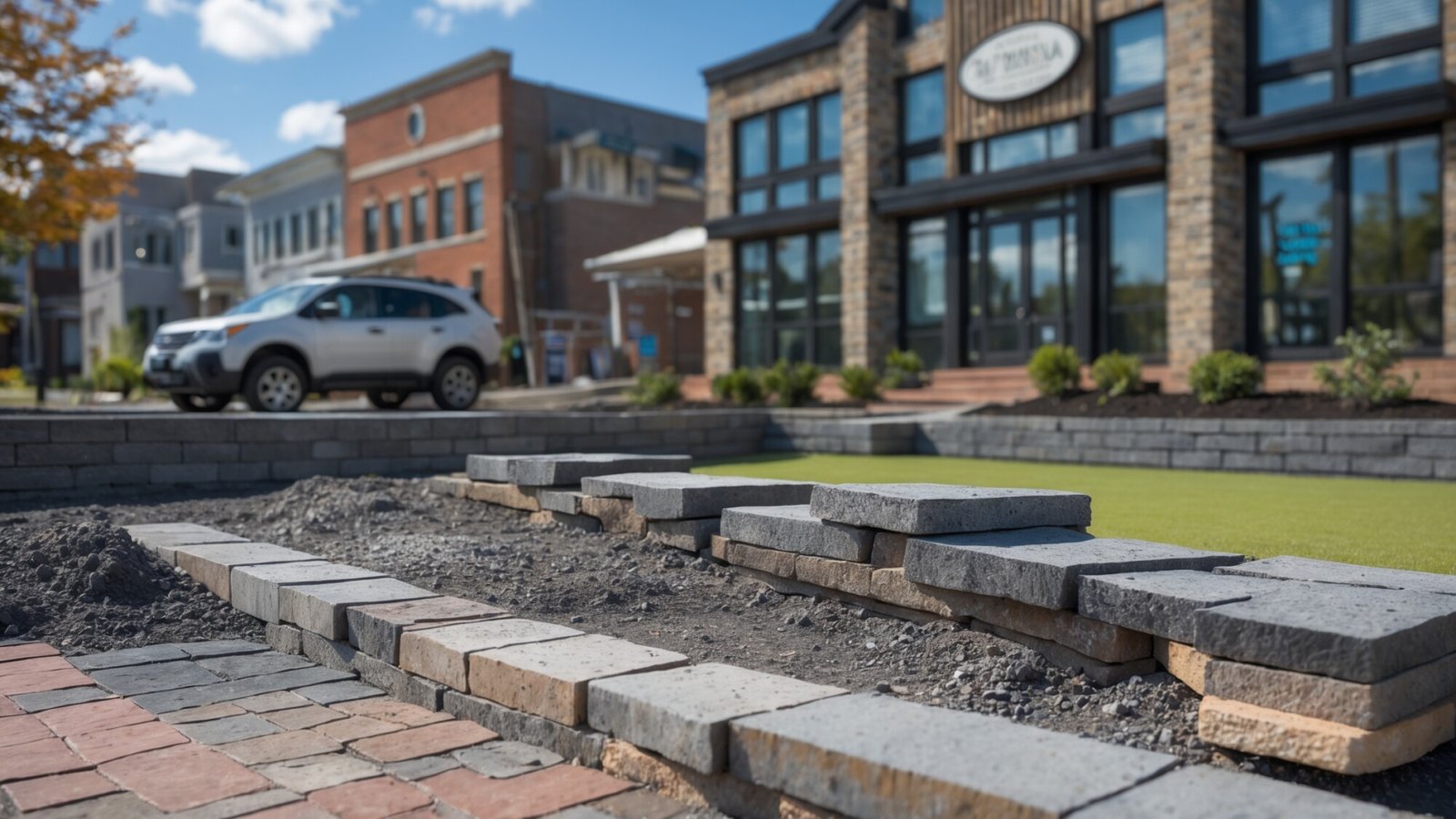
When working with sloped yards, your patio material choice should coordinate with retaining walls that create level outdoor living space. Many paver manufacturers offer matching wall block systems that ensure color and texture consistency across all hardscape elements.
Frequently Asked Questions
How long do different patio materials last in Nashville’s climate?
Properly installed concrete pavers typically last 25 to 40 years, while natural stone like bluestone or granite can exceed 50 years with minimal maintenance. Porcelain pavers often outlast both with expected lifespans beyond 60 years. Poured concrete usually requires replacement or major repair within 20 to 30 years due to cracking.
Do I need to seal my patio in Nashville?
It depends on the material. Porcelain never requires sealing. Concrete pavers benefit from sealer application every three to five years to enhance color and resist stains. Natural stone needs sealing every two to three years, with travertine requiring annual treatment. Poured and stamped concrete should be resealed every two to three years to prevent moisture infiltration and surface degradation.
What is the most cost-effective patio material for freeze-thaw durability?
Concrete pavers offer the best balance of upfront cost, durability, and low maintenance for Nashville’s freeze-thaw cycles. Quality pavers typically cost 30 to 50 percent less than natural stone while providing comparable longevity. Though poured concrete costs less initially, factor in higher crack repair probability and more frequent sealing requirements over the patio’s lifetime.
Can I install a patio myself or should I hire professionals?
Base preparation requires precision grading, proper compaction equipment, and drainage knowledge that most DIY installers lack. Improper base work leads to settling, uneven surfaces, and premature failure regardless of material quality. Professional installation costs more initially but ensures the investment performs as expected for decades. Complex projects integrating pools, kitchens, or significant grading absolutely require experienced contractors.
Which patio material stays coolest in summer?
Porcelain pavers reflect more solar heat than they absorb, staying significantly cooler than concrete or dark natural stone. Light-colored travertine also remains relatively cool due to its porous structure and reflective surface. Dark granite and concrete absorb the most heat and can become uncomfortable for bare feet during peak summer afternoons. Color matters as much as material, with lighter shades always running cooler than dark options.
Making the Right Choice for Your Nashville Patio
The best patio materials Nashville homeowners select balance freeze-thaw durability, aesthetic preferences, and long-term maintenance requirements. Concrete pavers, natural stone, and porcelain each offer proven performance when properly installed over well-prepared bases with adequate drainage.
Your specific situation, including budget, architectural style, and how the patio integrates with other outdoor features, guides the final decision. What matters most is choosing materials rated for severe weathering and working with installers who understand Middle Tennessee’s unique climate challenges.
Backyard Resort Pools INC has specified and installed premium patios across Greater Nashville for over 50 years. Owner Ernie Nagy personally evaluates every site to recommend materials that will perform beautifully for decades, not just seasons. Whether your project includes a custom pool, outdoor kitchen, or standalone patio, we ensure proper material selection and installation from base to finish. Call +16159441612 to discuss your specific property and get honest guidance on the best patio materials for your investment.