You’ve decided to add a pool to your backyard. The excitement builds as you imagine summer afternoons by the water, but then comes the critical question: should you build a concrete pool or install a vinyl liner pool? This concrete vs vinyl pools decision will shape your backyard experience for decades to come, affecting everything from your initial investment to your weekly maintenance routine.
The choice between these two popular pool types is not simple. Each option brings distinct advantages and trade-offs in construction time, customization options, long-term costs, and overall durability. Your climate, budget, aesthetic preferences, and maintenance tolerance all play crucial roles in determining which pool type fits your lifestyle best.
This guide breaks down every essential factor you need to evaluate when comparing concrete vs vinyl pools, helping you make a confident decision backed by five decades of pool construction experience serving Greater Nashville.
Understanding the Fundamental Differences
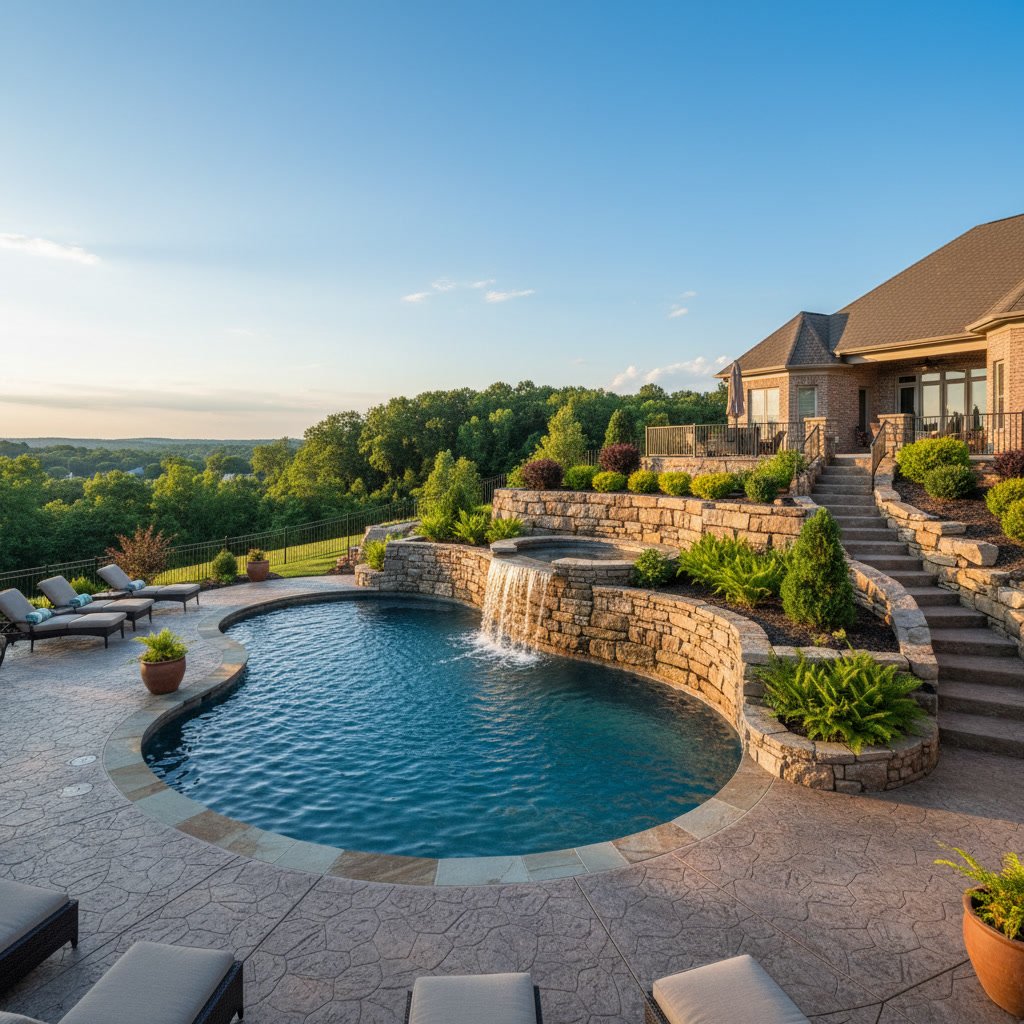
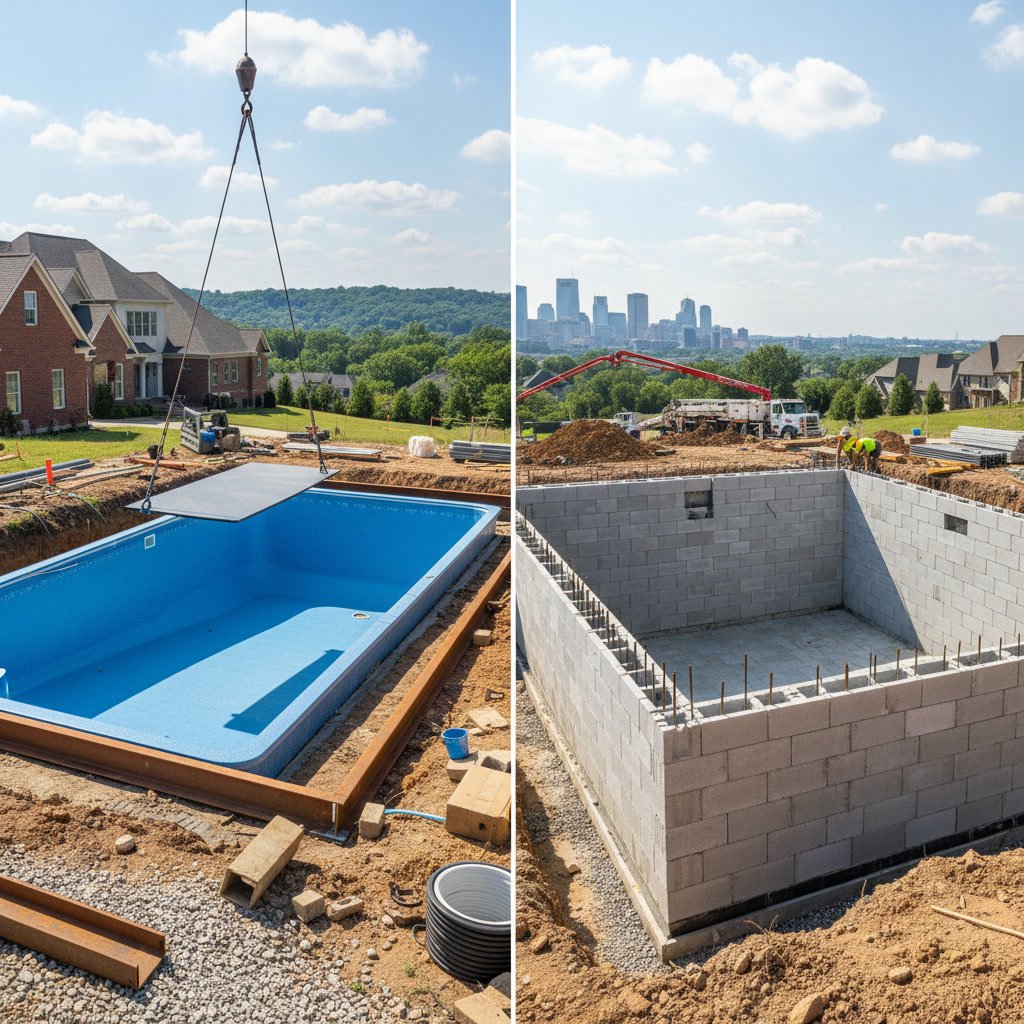
Concrete pools, often called gunite or shotcrete pools, are built by spraying a mixture of concrete and sand over a rebar framework. The result is a solid, permanent structure that becomes part of your property. These pools are completely custom-built on site, formed to any shape, depth, or size you can imagine.
Vinyl liner pools use a flexible vinyl membrane installed over a structural wall system, typically made from polymer panels, steel, or aluminum. The liner is the waterproof barrier, while the walls provide structure. Most vinyl pools follow standard shapes and sizes, though custom options exist at higher price points.
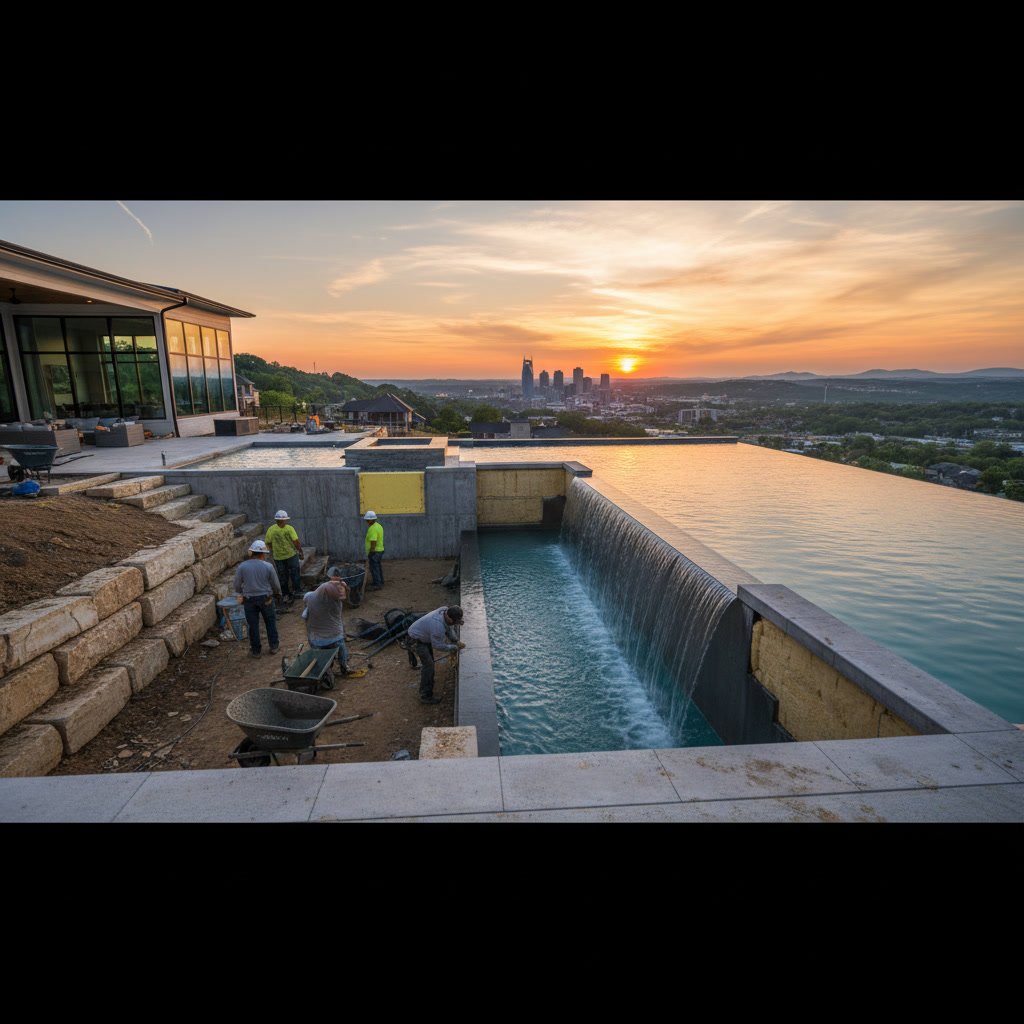
The structural difference creates a ripple effect across every aspect of pool ownership. Concrete integrates fully with your landscape and can incorporate vanishing edges, beach entries, and complex geometric shapes. Vinyl pools offer a softer feel underfoot and faster installation but limit architectural possibilities.
Installation Timeline and Process
Construction speed often influences pool decisions, especially if you’re hoping to swim by summer. Vinyl liner pools typically take three to six weeks from start to finish. The prefabricated wall panels arrive ready to install, and once the structural frame is complete, the liner can be measured, manufactured, and installed relatively quickly.
Concrete pools require eight to twelve weeks minimum, sometimes extending to 16 weeks depending on weather, complexity, and site conditions. The process includes excavation, rebar installation, gunite application, plumbing and electrical work, tile setting, coping installation, and interior finishing. Each phase must cure or set properly before the next begins.
Weather affects both pool types, but concrete construction faces more weather-related delays. Rain can postpone gunite application, and cold temperatures slow curing times. Tennessee’s humid summers actually help concrete cure properly, but winter installations require extra precautions.
If you need a pool completed quickly, vinyl offers a clear advantage. If you’re willing to wait for a completely custom design, concrete rewards patience with permanent results.
Initial Cost Comparison
Budget considerations drive many pool decisions. Vinyl liner pools typically range from $35,000 to $65,000 for a standard residential installation in the Nashville area. This lower entry price makes pool ownership accessible to more homeowners.
Concrete pools start around $60,000 and commonly reach $100,000 to $150,000 or higher, depending on size, features, and finish materials. Custom shapes, beach entries, raised spas, and premium tile work all increase costs substantially.
The price gap stems from labor intensity and materials. Concrete requires skilled craftsmen working on site for weeks, forming rebar, applying gunite, and finishing surfaces by hand. Vinyl pools use factory-made components that install faster with less specialized labor.
However, initial cost tells only part of the financial story. Long-term maintenance expenses and eventual replacement needs significantly affect total lifetime investment.
Pro Tip: When comparing bids, verify whether the quote includes all necessary equipment, decking, fencing, and permits. A low concrete bid without these elements may actually cost more than a complete vinyl package.
Durability and Lifespan Expectations
Concrete pools, when properly built and maintained, can last 50 years or more. The structure itself is permanent. Backyard Resort Pools Inc. has clients swimming in concrete pools built decades ago, with only the interior finish requiring updates.
The interior surface needs resurfacing every 10 to 15 years, depending on the finish type. Plaster finishes last about 10 years, while pebble finishes and advanced aggregates can extend to 15 or 20 years. This periodic resurfacing costs $5,000 to $12,000 but refreshes the entire pool appearance.
Vinyl liners require replacement every seven to ten years on average. Factors affecting liner life include UV exposure, water chemistry, pool usage, and quality of the original liner. Replacement costs run $4,000 to $7,000 including labor, making this an unavoidable recurring expense.
The structural walls of a vinyl pool can last 25 to 30 years or longer, but once those walls require replacement, you’re essentially rebuilding the pool. Most homeowners opt for liner replacements multiple times during the wall system’s life.
Maintenance Requirements and Costs
Daily and weekly maintenance shapes your pool ownership experience. Both pool types require similar attention to water chemistry, filtration, and cleaning, but some differences exist.
Vinyl liners are vulnerable to tears, punctures, and staining. Sharp objects, pet claws, and even certain pool toys can damage the liner. Stains from metals or organic matter can be difficult or impossible to remove without replacing the liner. You’ll need to brush carefully with soft brushes designed specifically for vinyl.
Concrete pools develop algae more readily because the porous surface provides places for algae to anchor. Regular brushing with stiff brushes and proper chemical balance prevent algae blooms. The rough texture of plaster can feel abrasive on feet, though pebble finishes offer smoother alternatives.
Chemical costs run slightly higher for concrete pools. The alkaline nature of concrete continuously raises pH, requiring more acid to maintain balance, especially during the first year after plastering. Vinyl pools tend toward neutral pH, using fewer chemicals for balance.
Both pool types benefit from weekly professional service or diligent owner maintenance. Neglect costs far more in the long run than consistent care.
Aesthetic Options and Customization
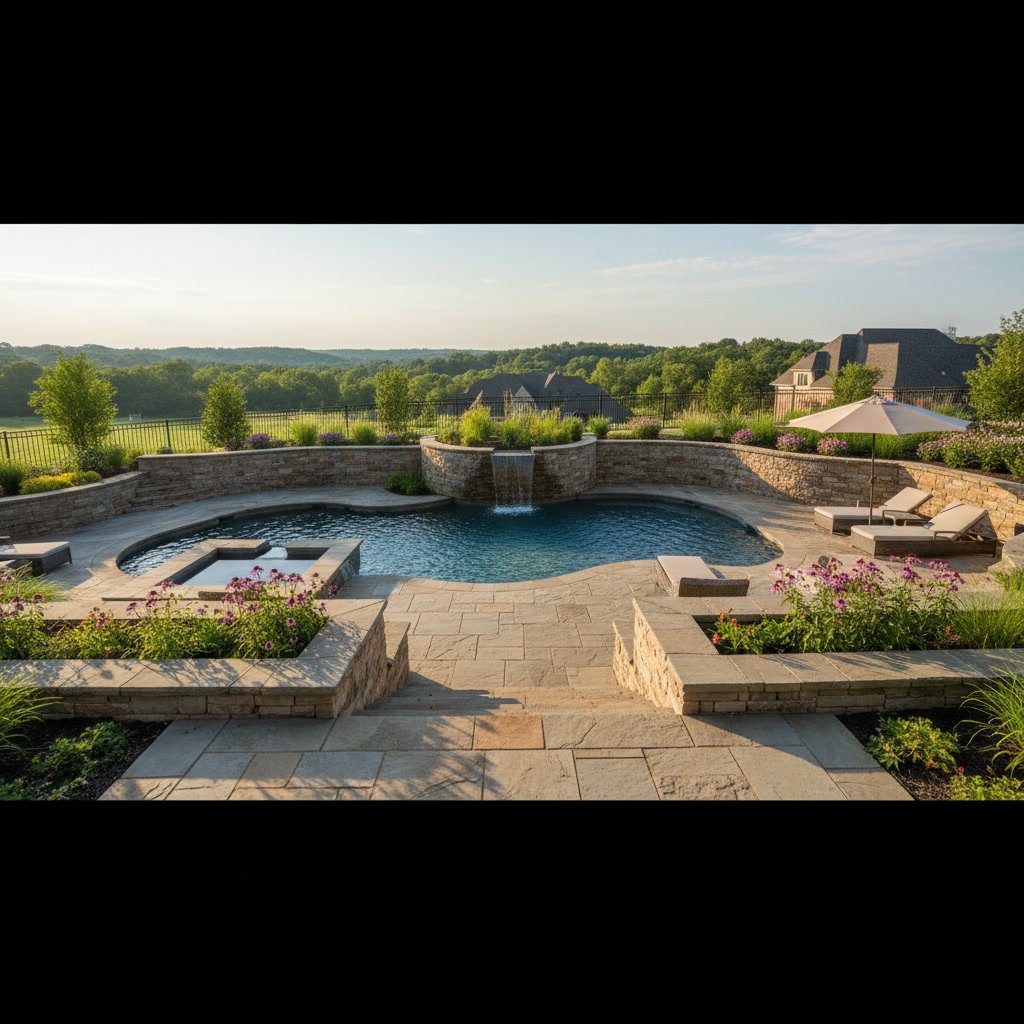
If visual design and architectural integration matter to you, concrete delivers unmatched flexibility. Any shape imaginable becomes possible, from classic rectangles to organic lagoon shapes with rock waterfalls. Raised spas, beach entries, sun shelves, and vanishing edges integrate seamlessly.
Interior finishes for concrete pools include white plaster, colored plaster, exposed aggregate, pebble finishes, and even glass tile. Each finish creates different aesthetics and textures. Tile borders, waterline tile, and decorative mosaics add personalized touches.
Vinyl pools offer far more design options than they once did. Modern liners come in dozens of patterns and colors, from simple blue to tile patterns and natural stone looks. However, the pool shape itself remains constrained by available molds or custom panel configurations that significantly increase costs.
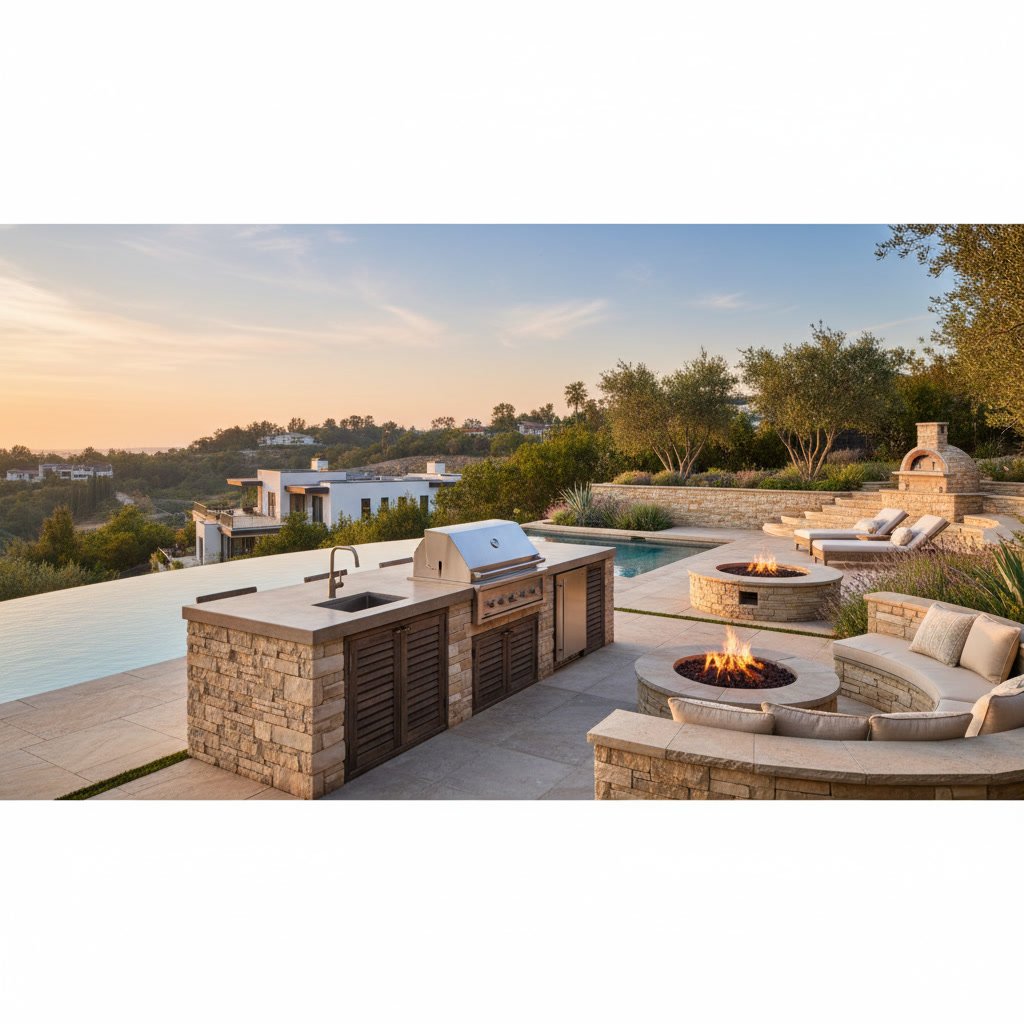
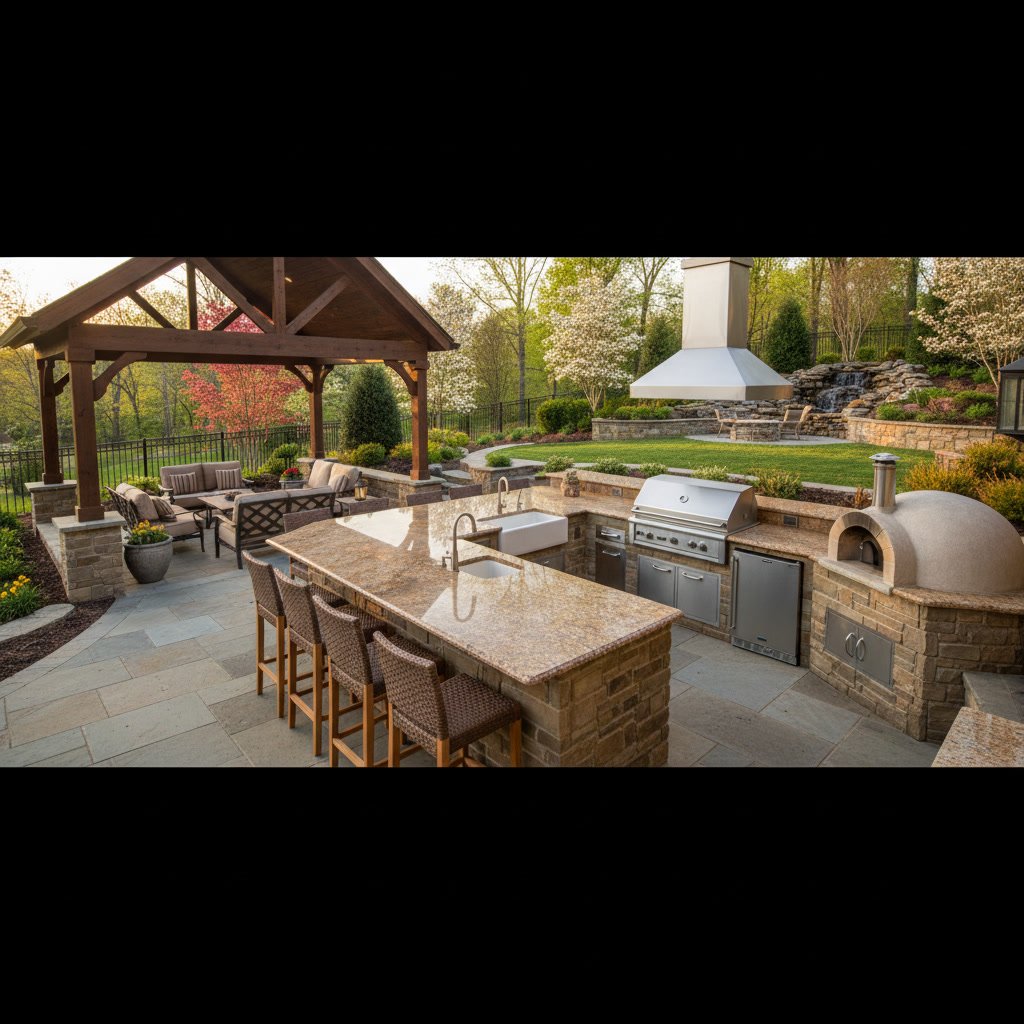
The visual difference becomes most apparent when integrating the pool with your total backyard design. Concrete pools blend with custom hardscaping, outdoor kitchens, and water features as a unified whole. Vinyl pools can look attractive but may appear more separate from surrounding elements.
For homeowners in areas like Brentwood or Franklin where outdoor living spaces serve as extensions of high-end homes, the architectural cohesion of concrete often justifies the investment.
The Feel Factor
How the pool surface feels underfoot and against skin matters more to some homeowners than others, but it’s worth considering. Vinyl liners feel smooth and slightly soft, especially in sunlight when the material warms and becomes more pliable. Many swimmers prefer this softer surface, particularly families with young children.
Concrete surfaces feel solid and can range from rough to relatively smooth depending on the finish. Traditional plaster can be abrasive, especially as it ages and develops texture. Pebble finishes and polished aggregates feel smoother than plaster but never match the softness of vinyl.
The softness of vinyl brings a trade-off. Because the liner has some give, it can develop wrinkles over time as the ground beneath shifts slightly or water chemistry affects the material. These wrinkles rarely affect function but can be visually distracting and feel unusual underfoot.
Concrete remains dimensionally stable. The surface you swim in today will feel essentially the same years from now until resurfacing becomes necessary.
Key Takeaway: Test both pool types if possible. Visit showrooms, tour completed projects, or ask friends and neighbors with different pool types about their experiences. Direct comparison often clarifies preferences.
Climate Considerations for Nashville Area Homes
Middle Tennessee’s climate affects both pool types but in different ways. Hot, humid summers with occasional drought and cold winters with freeze-thaw cycles create specific challenges.
Vinyl liners can fade and become brittle from intense UV exposure. The strong Tennessee summer sun accelerates aging, potentially shortening liner life by one to two years compared to more temperate climates. Higher-quality liners with UV inhibitors perform better but cost more initially.
Cold winters can stress vinyl liners if water levels drop too low during closing. The liner may shrink slightly in cold temperatures, and if not properly supported by water, can pull away from walls or develop stress points.
Concrete pools handle freeze-thaw cycles well when properly winterized. The solid structure doesn’t shift or change with temperature. However, water inside the concrete can freeze during unusually cold snaps, potentially causing surface damage if pipes aren’t properly blown out.
Both pool types survive Nashville winters successfully when properly closed and maintained. The key difference lies in summer performance, where concrete’s durability and UV resistance edge out vinyl over the long term.
Resale Value and Home Appeal
Real estate considerations matter, even if you plan to stay in your home for years. Pools affect property values differently depending on the neighborhood, the quality of installation, and the type of pool.
Well-designed concrete pools in upscale markets like Brentwood, Franklin, and parts of Nashville typically add value and appeal. Buyers in these markets expect premium outdoor living spaces, and a custom concrete pool signals quality and permanence.
Vinyl pools appeal to buyers seeking lower-maintenance options and those entering pool ownership for the first time. In mid-range markets throughout Greater Nashville, a well-maintained vinyl pool can be a strong selling point without the premium price tag.
Poorly maintained pools of either type detract from value. A vinyl pool needing immediate liner replacement or a concrete pool with failing plaster creates negotiation points for buyers and stress for sellers.
The best investment is the pool that fits your lifestyle and budget while receiving consistent maintenance. A pool you enjoy and care for will always show better than one that feels like a burden.
Making Your Decision
Choosing between concrete vs vinyl pools comes down to weighing priorities. If customization, architectural integration, and long-term permanence matter most, concrete pools deliver results that vinyl simply cannot match. The higher initial investment buys design freedom and structural longevity.
If budget constraints, installation speed, and a softer swimming surface rank higher on your priority list, vinyl pools offer excellent value and years of enjoyment. The periodic liner replacement becomes a manageable expense when planned for in advance.
Consider your timeline as well. Planning to stay in your home for 20 or more years? Concrete’s durability and timeless appeal make increasing sense. Planning to move within 10 years? Vinyl’s lower initial cost may provide better return on investment.
Your maintenance tolerance also matters. If you’re comfortable managing periodic liner replacements and treating the vinyl gently, that model works well. If you prefer a solid surface that you can scrub hard and ignore between resurfacing intervals, concrete suits that approach better.
Frequently Asked Questions
Can you change a vinyl pool to concrete later?
Converting a vinyl pool to concrete is technically possible but rarely cost-effective. The process requires removing the existing structure, excavating further, and essentially building a new concrete pool. Most homeowners find that building a new concrete pool from scratch offers better results at similar cost. If you think you’ll eventually want concrete, consider starting with concrete rather than converting later.
Do concrete pools cost more to heat than vinyl pools?
Concrete pools hold more thermal mass, meaning they take longer to heat initially but retain heat longer once warm. Vinyl pools heat faster but lose heat more quickly overnight. In practical terms, heating costs are similar for pools of the same size with similar equipment. Insulation, covers, and heater efficiency affect costs far more than pool surface material.
Which pool type is better for saltwater systems?
Both concrete and vinyl pools work with saltwater chlorine generators, but each requires specific considerations. Salt can accelerate deterioration of certain concrete finishes and metal fixtures, requiring more frequent monitoring and maintenance. Vinyl liners handle salt well, though some manufacturers recommend specific liner types for saltwater applications. Proper installation and equipment selection matter more than pool type for saltwater success.
How does the warranty differ between concrete and vinyl pools?
Vinyl liner warranties typically cover the liner itself for five to ten years, often prorated after the first few years. The structural wall warranty varies by manufacturer but often extends 20 to 30 years. Concrete pool warranties cover different components separately, with structural warranties often extending 10 years or more, while finish warranties cover three to five years typically. Always review warranty terms carefully, as coverage varies significantly between builders and manufacturers.
Can vinyl pools have custom shapes?
Yes, but with limitations and increased costs. Most vinyl pools use standard shapes because the liner must fit precisely, and custom liners require custom wall configurations. Creating truly custom shapes with vinyl approaches or exceeds concrete pricing while still limiting design options compared to concrete. If budget is the primary reason for considering vinyl, stick with standard shapes to maintain cost advantages.
Next Steps for Your Nashville Pool Project
The concrete vs vinyl pools decision shapes your backyard experience for decades. Take time to evaluate your priorities, budget, and long-term plans before committing. Visit completed projects of both types, talk to pool owners about their experiences, and consult with experienced builders who work with both materials.
Backyard Resort Pools Inc. has built both concrete and custom vinyl pools across Greater Nashville for over 50 years. Owner Ernie Nagy personally oversees each project, ensuring that whether you choose concrete or vinyl, your pool meets exacting standards and serves your family well for years to come.
If you’re ready to explore which pool type fits your Mt. Juliet, Gallatin, Spring Hill, Lebanon, Hendersonville, Smyrna, or Murfreesboro property, reach out to discuss your vision. Call +16159441612 to schedule a consultation and get transparent pricing for your specific situation.